
- Generative AI for Good uses deepfake technology for social impact.
- Projects address domestic violence, human trafficking, and conflict narratives.
- Transparency and consent are paramount in ethical AI deployment.
- The organization has gained international recognition for its campaigns.
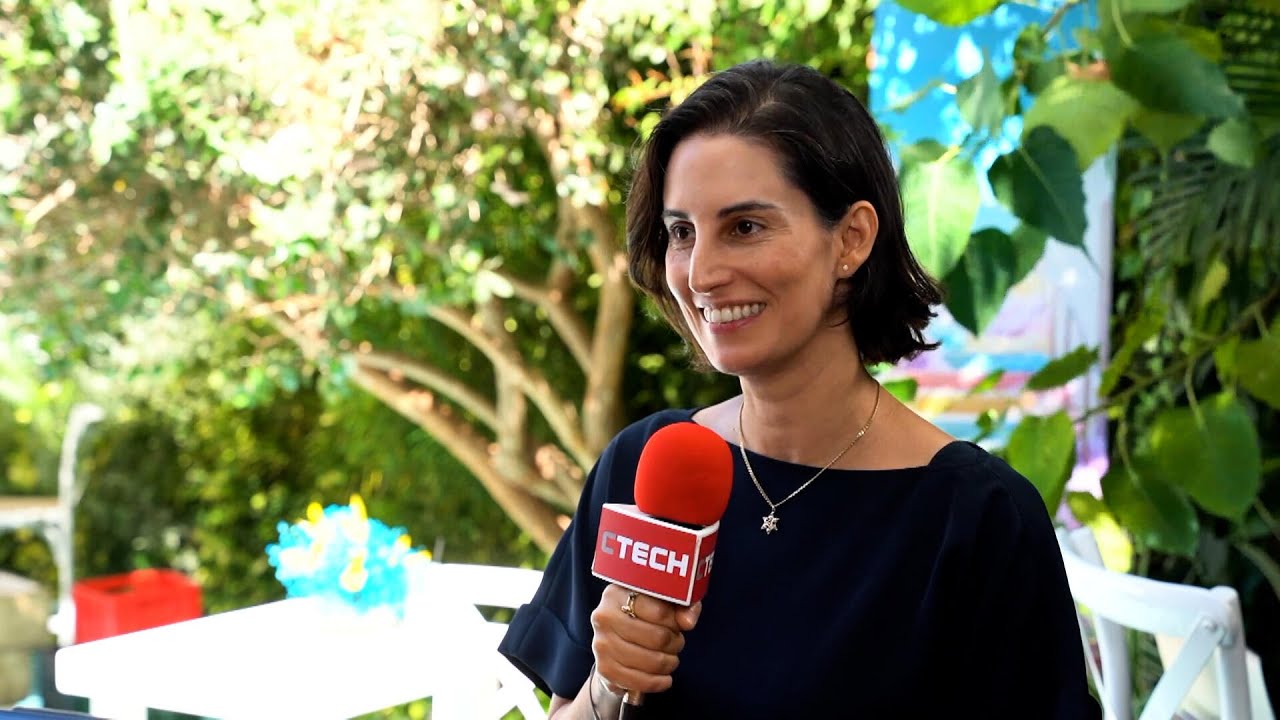
In an era where deepfake technology often sparks fear and concern, Shiran Mlamdovsky Somech, CEO of Generative AI for Good, presents a compelling counter-narrative. At the Calculist AI Conference in Tel Aviv, Somech detailed how her organization is leveraging this powerful tool to amplify the voices of the silenced, transforming a potentially dangerous technology into a force for profound social good.
Generative AI for Good operates on the principle of using AI proactively to address critical societal issues. From domestic violence and human trafficking to Holocaust commemoration and, more recently, amplifying the Jewish and Israeli narrative post-October 7th, their mission is clear: to give a voice to those who cannot speak and increase awareness of life-saving matters. This innovative approach redefines the potential of AI beyond mere aesthetics, embedding it directly into the core of humanitarian missions.
Somech's journey into this unique field began four years ago after encountering a domestic violence survivor whose courageous story dramatically increased public awareness. This inspired Somech to consider the countless women who had lost their lives to domestic violence. Leveraging her background in the tech industry, she conceived the audacious idea of animating the images of these victims using AI, allowing their stories to be heard posthumously. Quitting her day job, she poured her efforts into this vision, which quickly blossomed into a mega-campaign involving 28 partners, including Meta. The project brought women virtually back to life to share their stories, achieving viral success, national news coverage, presentations at the UN and NATO, and international awards, all while significantly increasing awareness of domestic violence.
Following the events of October 7th, Generative AI for Good pivoted its focus to combat the surge in antisemitism and counter misinformation. Recognizing that AI itself had become a weapon in the digital sphere, Somech's team utilized the technology to create empathy for the Israeli and Jewish narrative. A notable project involved giving a voice to children held hostage in Gaza, producing content in multiple languages, including English and German, to reach a global audience. The positive reception underscored the technology's capacity to foster understanding even on highly sensitive topics.
Ethical considerations are paramount for Generative AI for Good. The organization adheres to principles of trustworthy AI, emphasizing transparency so that audiences are fully aware of what is AI-generated versus what is real. This transparency is integral to their creative process, as the AI isn't used for aesthetic enhancement but as the sole means for silenced individuals to communicate. Furthermore, they prioritize privacy for survivors, enabling them to share their stories through a mediated facet that protects their identity. Non-discrimination, diverse representation, and obtaining full consent from all participants, including victim families, survivors, and even celebrities, are foundational to their impactful work.
“We use this dangerous and risky technology in a proactive way for doing good to amplify the voices of the silence.”
- Shiran Mlamdovsky Somech, CEO of Generative AI for Good