
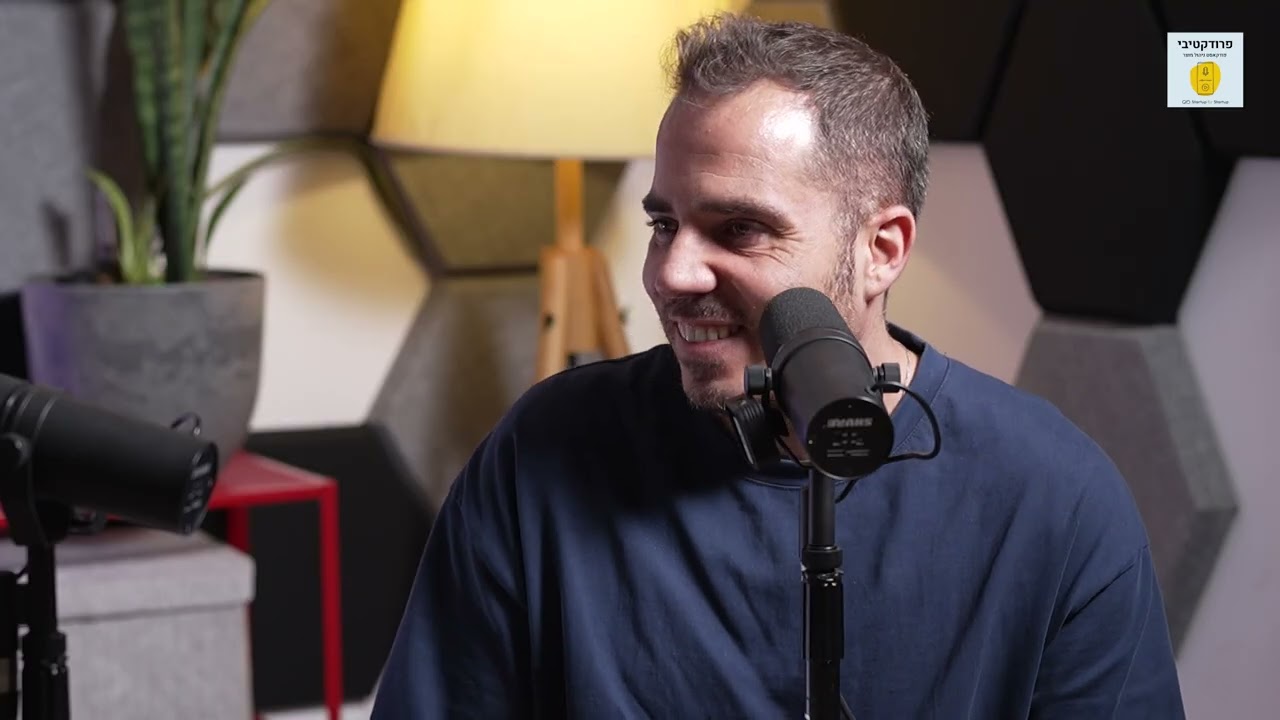
- Maor Nakash, Senior Product Manager at Monday.com, shares common interview mistakes.
- Preparation, soft skills, and strategic storytelling are key.
- Avoid rushing to solutions and presenting templated answers.
- Interview outcomes don't define your worth as a PM.
In the competitive world of product management, landing a dream job often hinges on excelling in interviews. However, many talented product managers fall prey to common mistakes that can derail their chances. In a recent session, Maor Nakash, a Senior Product Manager at Monday.com, shared invaluable insights into these pitfalls and offered expert advice on how to navigate the interview process successfully.
Nakash begins by recounting his own early career blunder: attempting to solve a product sense question about Spotify's shuffle mechanism as a mathematical problem rather than approaching it with a product framework. This anecdote highlights a fundamental issue: insufficient preparation for the specific nature of product management interviews.
He emphasizes that the number one mistake candidates make is inadequate preparation. This isn't just about understanding product frameworks like product sense or execution, but also about thoroughly researching the company and its products, and engaging in mental self-preparation. Rushing to solutions without first deeply understanding the problem, user segments, and pain points is another critical error. Interviewers are more interested in a candidate's thought process, broad thinking, and ability to align solutions with defined problems, rather than just the most creative answer.
Beyond technical skills, Nakash stresses the often-overlooked importance of soft skills and cultural fit. Interviewers assess leadership, ability to manage without authority, context absorption, and crucially, how candidates receive and respond to feedback. Challenging a candidate's perspective is a common tactic to evaluate maturity and problem-solving under pressure. Furthermore, candidates should aim to create a 'win-win' scenario by demonstrating not only their desire for the role but also how their unique experience and skills directly benefit the company and specific team.
Finally, Nakash advises against presenting templated or overly scripted answers, even when using frameworks. Instead, candidates should tell a compelling story that naturally incorporates structured thinking. When asked about past successes or failures, the chosen stories should be impactful, measurable, and demonstrate personal leadership and learning, rather than just the most recent or team-led achievements. He concludes with a powerful message: not passing an interview does not diminish a candidate's value as a person or a product manager, especially in a challenging job market, emphasizing the statistical nature of the hiring process.
“The process is more important: thinking out loud, reflecting your thoughts to me – that's a much more correct process, and it also generates more dynamism and understanding of how much you are in the details than the solution itself.”
- Ran Erez, Senior Product Manager