- Uber Morgan Ventures focuses on early-stage climate tech, investing in both deep tech hardware and enabling software.
- Climate tech fundamentals remain strong despite market perceptions, driven by extreme weather events and broader vertical tailwinds.
- Key trends include AI discovery platforms, nuclear fusion, robotics in manufacturing, and new chip architectures.
- Government support through faster permitting, stronger market signals, and innovative financing is vital for scaling climate solutions.
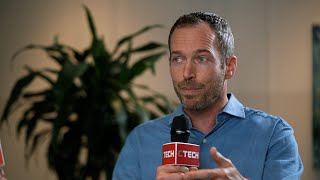
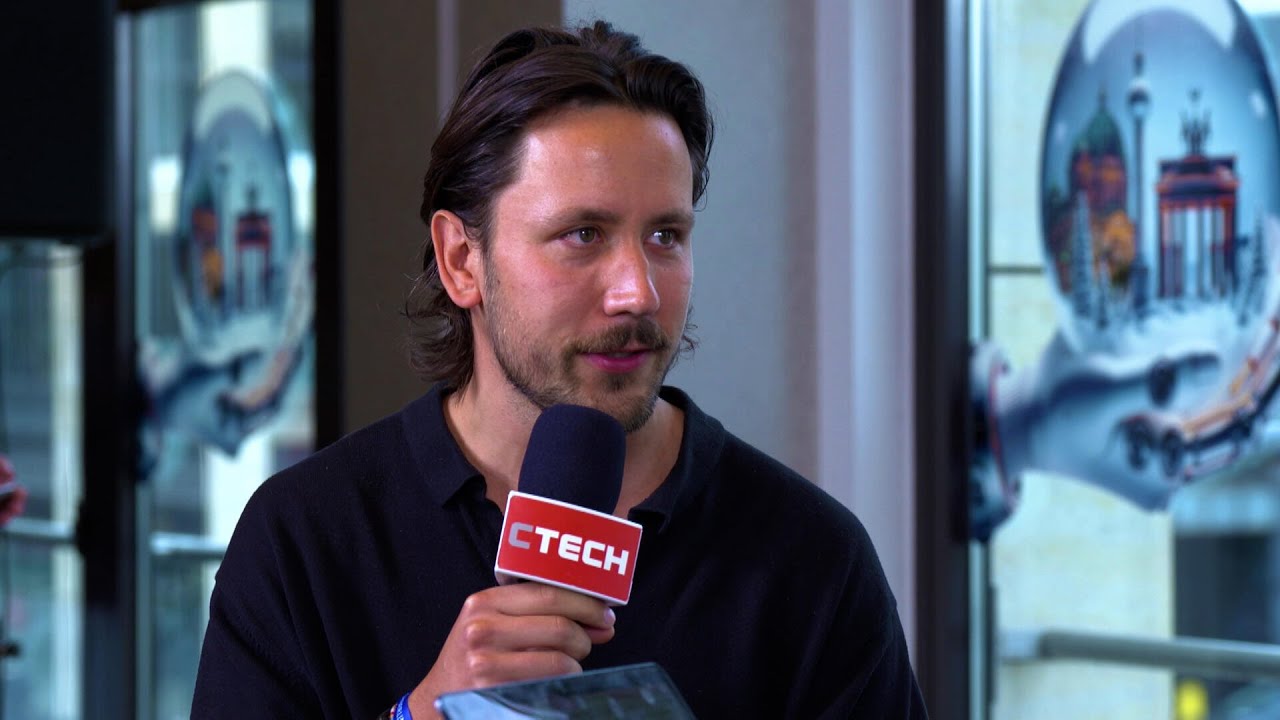
In an insightful discussion at CEX Minet Techch Berlin 2025, Jonas Hornung, Principal at Uber Morgan Ventures, offered a compelling perspective on the current state and future of climate technology. Despite recent market fluctuations, Hornung asserts that the foundational drivers for climate tech innovation are more robust than ever, emphasizing the urgent need for technological solutions to global environmental challenges.
Uber Morgan Ventures, a Swiss climate tech VC, strategically invests in early-stage companies, spanning both novel science deep tech hardware and enabling software. This agnostic approach across the climate value chain allows them to support a diverse portfolio of 35 active companies. Hornung highlights their unique evergreen, semi-liquid structure, which enables them to be long-term partners for their portfolio companies while offering flexible investment options for limited partners.
Hornung addressed the perception that climate tech has taken a backseat, firmly stating, "the fundamentals of climate tech haven't changed." He points to the increasing frequency of extreme weather events as a stark reminder of the continuous need for technologies that can cope, adapt, and provide solutions. Furthermore, many climate tech solutions also address critical needs in supply chain resilience, energy independence, advanced computing, and robotics, all of which are currently experiencing significant tailwinds.
The industry is witnessing a surge of innovation, with key trends including AI discovery platforms for new materials like rare-earth-free metals, advancements in the entire energy value chain from grid flexibility to nuclear fusion, and automation across manufacturing robotics. Hornung cited an investment in a company developing a new chip GPU architecture, underscoring the broad application of climate-focused innovation across various tech sectors.
Looking ahead, Hornung outlined critical areas where governments and regulatory bodies can foster climate tech's potential. Faster permitting for renewable energy projects and industrial pilots is paramount, as delays often pose greater hurdles than technology or capital. Stronger market signals, such as procurement initiatives for low-carbon materials and incentive schemes for industrial decarbonization, are also essential to build confidence for founders and buyers. Moreover, tackling the "valley of death" for first-of-a-kind pilots through financing guarantees and public-private mechanisms is crucial. Finally, attracting top talent requires streamlining visa processes and reducing bureaucracy.
“I think in short we will see a transition from climate tech as a vertical rather becoming a horizontal layer across multiple verticals and I think the lines between climate tech and industrial tech will blur.”
- Jonas Hornung, Principal at Übermorgen Ventures