
- Jewish Climate Trust aims to maximize Jewish people's climate impact.
- AI offers significant opportunities for energy efficiency and new materials.
- Concerns grow over AI's escalating energy consumption and lack of transparency.
- Nonprofits face challenges in adopting AI responsibly due to resource constraints.
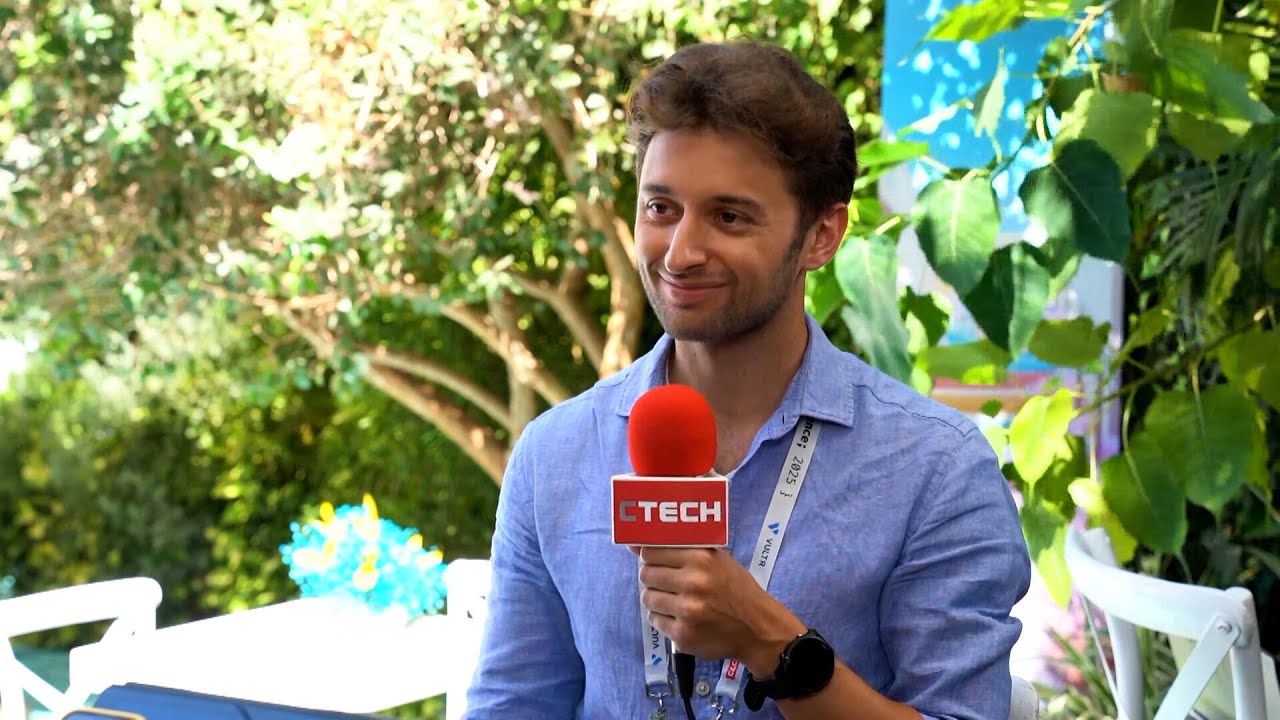
The rapid ascent of artificial intelligence promises transformative solutions across industries, yet it casts a growing shadow over environmental sustainability. As AI models become more complex and widespread, their energy demands are skyrocketing, raising critical questions about the technology's true ecological footprint. This dilemma was a central theme at the Calculist AI Conference in Tel Aviv, where Joe Gamse, COO of the Jewish Climate Trust, shed light on the challenges and opportunities for responsible AI development.
The Jewish Climate Trust (JCT) is dedicated to maximizing the Jewish people's positive climate impact, both in Israel and diaspora communities. While AI presents immense potential for climate solutions, such as improving energy efficiency, optimizing grids, and discovering new materials for solar technology, this promise is tempered by the alarming increase in energy consumption required to train and run advanced AI models. Recent reports from institutions like MIT Technology Review and the International Energy Agency highlight this burgeoning concern.
A significant hurdle in assessing AI's environmental impact is the proprietary nature of data from leading tech companies. This lack of openness makes it difficult to accurately project the energy usage and carbon footprint of popular AI services like ChatGPT or Gemini. While inferences can be made – for instance, video generation is far more energy-intensive than text – precise metrics remain elusive, leaving organizations like JCT grappling with unknowns and hindering effective policy and infrastructure planning.
Non-governmental organizations (NGOs), often resource-constrained and program-focused, typically lag in adopting cutting-edge technologies. JCT aims to bridge this gap by developing internal best practices for responsible, climate-informed AI use. By sharing these insights, they hope to empower other nonprofits to leverage AI for tasks like grant writing and policy analysis, optimizing operations while minimizing environmental harm.
Joe Gamse emphasizes that AI, much like the internet and social media before it, has reached an inflection point. The focus is shifting from sheer model capability to developing applications that are both energy-efficient and socially responsible. This includes addressing issues beyond the bottom line, such as copyright, climate impact, and the broader societal implications of AI. The Israeli high-tech sector, with its innovative spirit, has a unique opportunity to lead this charge, proving that groundbreaking technology can also be developed with a conscience.
“we're now I think moving into a second stage where the AI innovations aren't just how good is your model... but are you developing an application that's energy efficient and that's socially responsible.”
- Joe Gamse, COO at Jewish Climate Trust