- One-size-fits-all therapy is becoming obsolete.
- AI analyzes vast amounts of real-life brain data.
- Ethical considerations like neuro-privacy are paramount.
- Adaptive stimulators respond to symptoms in real-time.
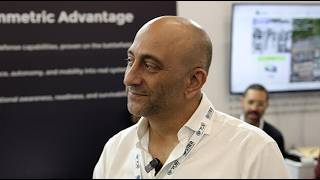
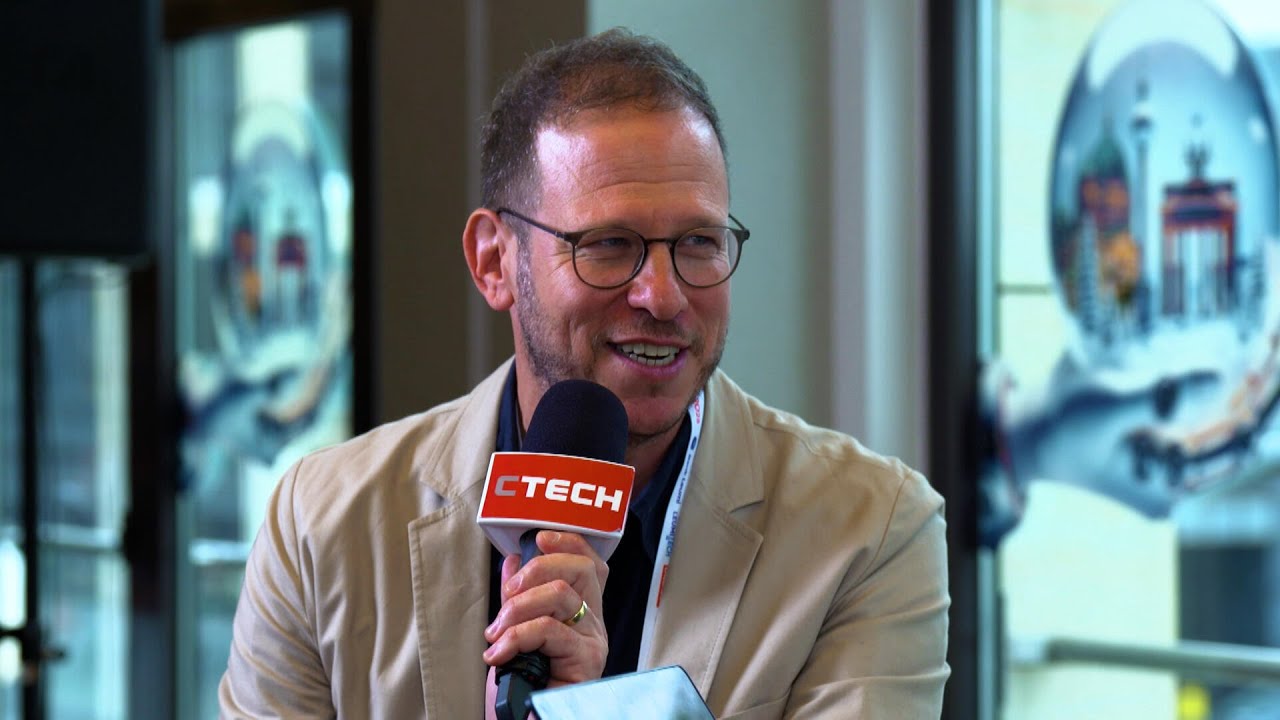
In a groundbreaking shift, the field of neurology is moving away from generalized treatments towards highly personalized brain therapies. Dr. Jonathan Reiner, a senior neurologist and movement disorder specialist at Binson Hospital, sheds light on how neuromodulation, powered by artificial intelligence, is at the forefront of this revolution, promising a future of adaptive and predictive brain health.
Neuromodulation, a well-established therapy, involves precisely influencing the brain's electrical activity through various inputs to alleviate symptoms of neurological disorders like Parkinson's disease. Traditionally, this has involved deep brain stimulation. However, Dr. Reiner highlights a pivotal advancement: the ability to simultaneously record the brain's electrical activity while providing therapy. This breakthrough allows clinicians to gather unprecedented information about how individual brains work, moving beyond a "one-size-fits-all" approach to truly personalized, adaptive brain therapy.
The integration of Artificial Intelligence (AI) is accelerating this paradigm shift. AI's capacity to analyze vast amounts of real-life brain data – collected from patients as they walk, breathe, talk, and experience emotions – is unlocking hidden patterns within the brain. Where manual analysis was once impossible due to sheer data volume, AI's advanced learning models can now provide insights into brain health, activity, and even predict the onset of brain diseases in healthy individuals. This capability promises a deeper understanding of how the brain communicates and functions.
However, with such powerful technology come significant ethical considerations. Dr. Reiner emphasizes the critical need to protect "neuro-privacy," ensuring individuals maintain autonomy and agency over their brain data. The development of technologies that can read the brain without full cooperation, transparency, and consent is a major concern. Balancing individual privacy with the potential to gather anonymized data for global databases is key. These collective insights can advance our general understanding of the human brain, leading to better therapies without compromising individual rights.
Looking ahead, the future of neuromodulation involves increasingly adaptive stimulators that respond in real-time to changes in the human brain. For conditions like Parkinson's, understanding the electrical signatures of tremor or rigidity allows for closed-loop systems that adjust stimulation as symptoms develop. Furthermore, the ability to categorize human traits, emotions, and cognition through brain signatures opens doors for predictive models of brain diseases and overall brain health. The ultimate goal is to foster healthier human beings, while carefully navigating the ethical boundaries of enhancing human capabilities and ensuring equitable access to these transformative health systems.
“We're shifting kind of from an era of a one-size-fits-all therapy to a truly kind of personalized adaptive brain therapy.”
- Jonathan Reiner, Senior Neurologist and Head of the Neuromodulation and Deep Brain Stimulation Service at Beilinson Hospital