- Demand begins with mindshare, not intent signals.
- Authentic human connection outperforms AI-generated content.
- A "362-day playbook" is essential for continuous engagement.
- Leverage AI for audience insights, not generic content creation.
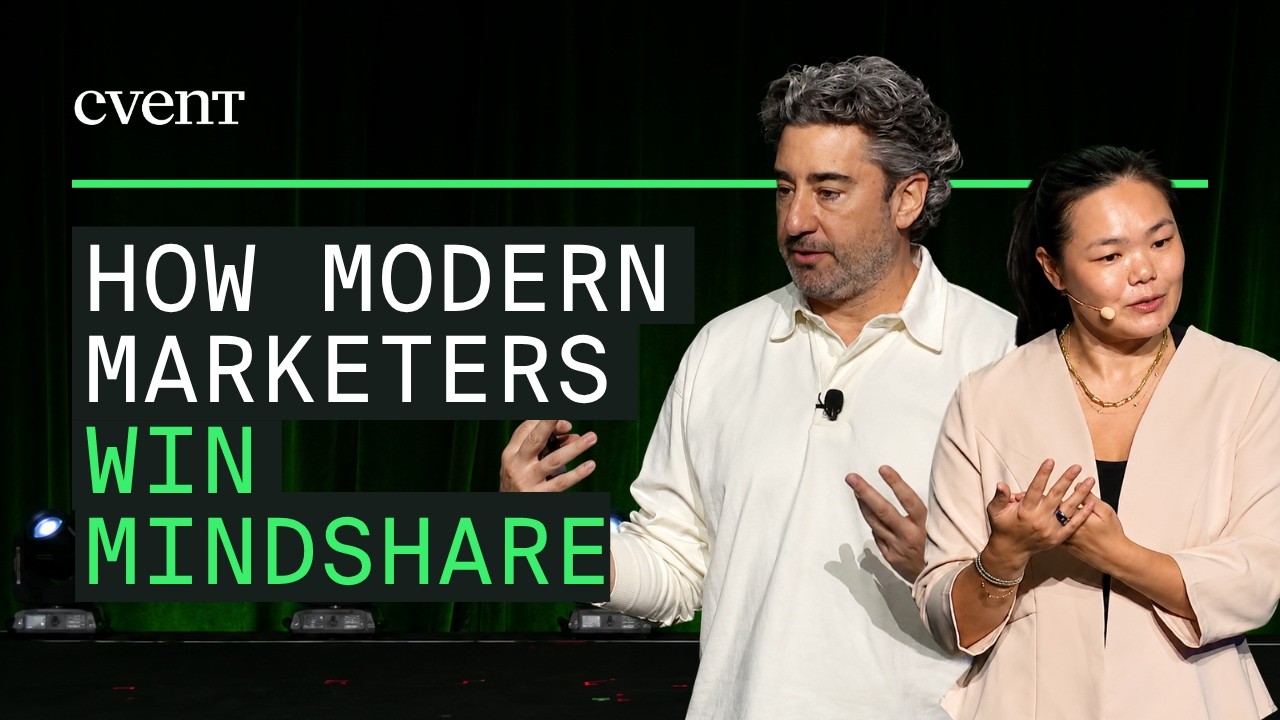
In today's crowded digital landscape, marketers are often caught in a relentless pursuit of intent, meticulously tracking signals and optimizing for conversions. However, this session, "How Modern Marketers Win Mindshare Across Buying Committees," challenges this conventional wisdom, asserting that true demand generation starts much earlier: with mindshare. The key to winning deals lies not in capturing existing intent, but in cultivating a memorable presence long before buyers even begin their formal evaluation.
Most marketing efforts today target the 5% of the market actively in-market, neglecting the vast 95% who are passively forming opinions. The speaker emphasizes that buyers already have a shortlist in mind before engaging with sales, making early mindshare critical. This requires showing up before the buying signals even emerge, building trust through genuine interaction rather than mere impressions. Marketers who focus solely on intent are measuring the receipt of demand, not creating it.
In an era flooded with AI-generated content and generic marketing, real human moments stand out. The speaker highlights how even imperfect, raw video content from events, whether in-person or digital, can carry genuine human trust and reach the broader audience that polished, impersonal campaigns miss. This authenticity is what cuts through the "AI sameness" and creates lasting memorability, fostering a level of trust that no AI or traditional ad can ever earn.
Events are just one piece of the puzzle; marketers must extend their impact throughout the year, focusing on post-event engagement. This means developing a "362-day playbook" that includes sharing behind-the-scenes content, unexpected moments, and leveraging video to scale the trust built in person. The speaker also provides a powerful AI prompt to uncover what prospective attendees *truly* want to know about an event or brand, shifting content creation from internal assumptions to audience-driven insights.
To overcome risk-averse leadership, marketers should advocate for a "10% laboratory" for experimentation, rather than a "test budget" which can imply failure. Furthermore, the first email sent to a new registrant is crucial for future deliverability and engagement, not merely a transactional receipt. By prioritizing memorability, human connection, and strategically using tools like AI for insights, marketers can break free from the cycle of sameness and effectively win mindshare.
“We don't have an attendance problem. We have a memory problem. A memory problem.”
- Kelly Cheng, CMO of Goldcast