- AI automates manual data collection in the field.
- Waste industry sees 10x increase in overage detection.
- Motive's AI model generates $2 million annually for 100-truck operations.
- New AI models target contamination, potholes, and worksite safety.
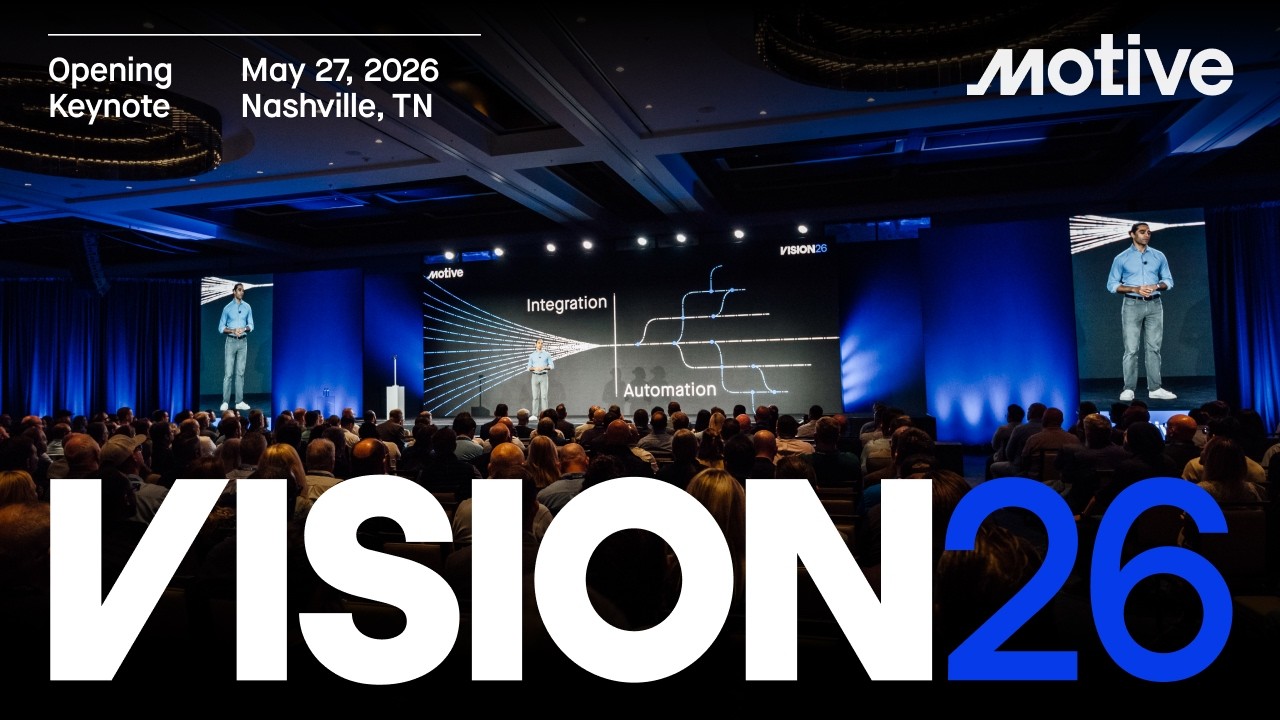
Artificial intelligence is rapidly transforming how businesses operate, extending its reach beyond office automation to revolutionize field operations and unlock significant revenue opportunities. A recent keynote from Motive Vision 26 highlighted how advanced AI vision technology is not just saving time but enabling entirely new capabilities for industries ranging from waste management to utilities and construction.
The presentation emphasized that while AI has already streamlined office workflows, its true potential lies in automating data collection and event detection in the field. Traditionally, critical events like overfilled waste bins, recycling contamination, or road hazards required manual identification and documentation by workers, a process that is time-consuming, prone to error, and often missed entirely. This inefficiency directly impacts revenue and operational safety.
Motive has partnered with customers to develop custom AI models that address these challenges head-on. A prime example is their AI model for waste services, designed to detect overfilled containers with near-perfect precision. This automation means that every billable event, previously missed due to manual oversight, is now automatically captured with visual proof. The impact is staggering: Motive's AI detects ten times more overage events than human operators, translating into an estimated $2 million in annual revenue for a waste operation with just 100 trucks.
The applications of AI vision extend far beyond waste management. Motive is actively training models to identify recycling contamination, monitor vegetation overgrowth for utilities, detect potholes and downed street signs for public sector clients, and enhance worksite safety in construction and oil and gas industries. In each case, the core problem remains the same: manual observation is insufficient. AI vision provides an automated, consistent, and verifiable solution.
Ultimately, the success of these innovations rests on two fundamental pillars: integration and automation. By bringing all aspects of fleet management – vehicles, drivers, equipment, and spend – onto a single platform, and then automating the right actions at the precise moment they are needed, businesses can achieve safer, more productive, and significantly more profitable operations. This holistic approach ensures that critical insights are never missed, whether in the office or out on the road.
“AI Vision breaks the ceiling of human attention in the field and on the road.”