- Eli Lilly invests $14 billion annually in R&D, outspending entire nations.
- GLP-1 drugs are driving 80% of Eli Lilly's current market valuation.
- The company is building the largest biologically focused supercomputer for drug discovery.
- CEO Dave Ricks proposes a "One Fair Price" model to address global drug pricing disparities.
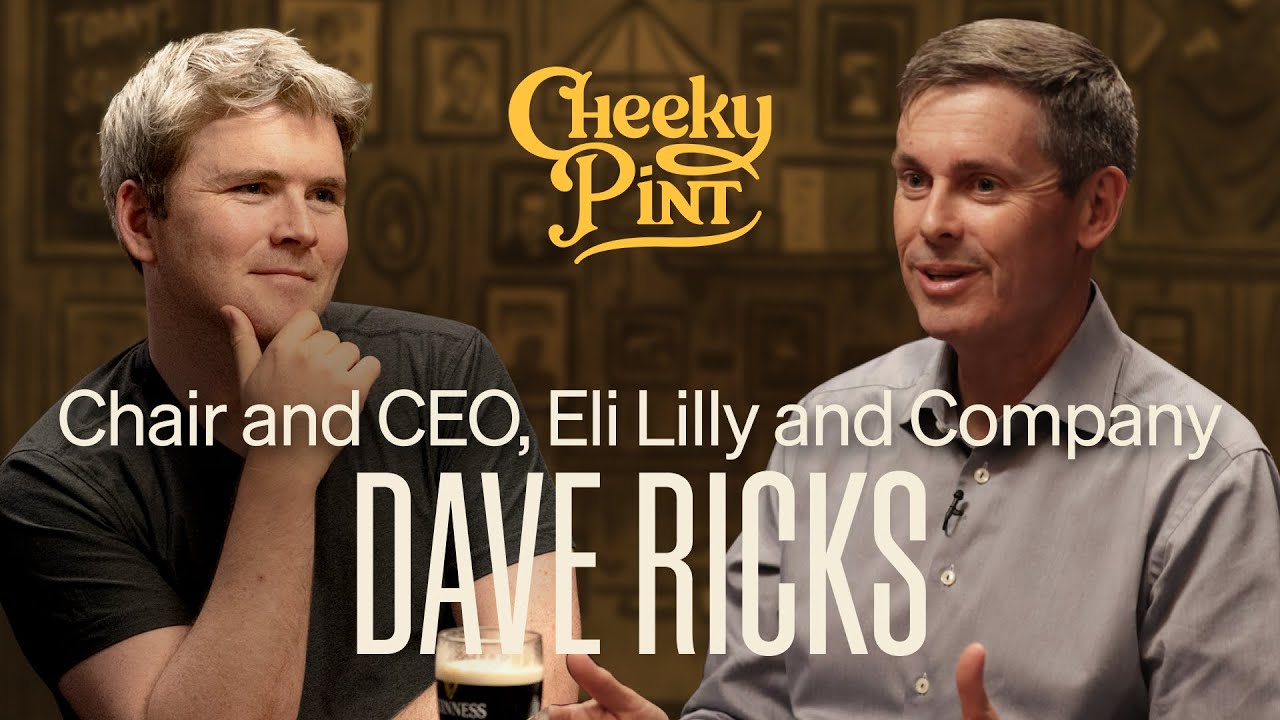
Dave Ricks, CEO of Eli Lilly, leads the world's most valuable pharmaceutical company, currently valued at over $700 billion. In a wide-ranging conversation, Ricks delves into the transformative power of GLP-1 medications, the monumental investments in pharmaceutical research and development, and the complex, often opaque, landscape of global healthcare. From pioneering insulin mass production to leading the charge in next-generation weight loss and diabetes treatments, Lilly's journey reflects a relentless pursuit of scientific innovation and a strategic reshaping of patient access.
Eli Lilly's commitment to R&D is staggering, with an annual investment of $14 billion, surpassing the R&D spending of entire countries like Germany. This colossal budget fuels ambitious projects, including a partnership with Nvidia to build the largest biologically focused supercomputer for proprietary drug discovery models. Ricks emphasizes that while AI holds immense promise, its full potential is currently limited by a fundamental challenge: humanity's incomplete understanding of biology. He estimates we know only 10-15% of human biology, highlighting the need for massive, robotic-driven data generation to truly unlock AI's capabilities in complex system prediction.
The conversation also illuminates the intricate and often frustrating economics of clinical trials. Ricks reveals that the median cost to enroll a single patient in a clinical trial is $40,000, with over 60% of a drug's total development cost concentrated in the final, make-or-break Phase 3 trials. He attributes these high costs to several factors, including providing premium care to the sickest patients, extensive regulatory requirements, and significant institutional overheads. To counter these challenges, Lilly is exploring innovative direct-to-patient trial models, as successfully demonstrated with their Alzheimer's prevention study, which screened over 80,000 people and streamlined patient enrollment by leveraging blood-based diagnostics and televisits.
A significant portion of the discussion centers on GLP-1 medications, which are not only transforming diabetes and weight loss treatment but also revealing broader, unexpected benefits. Ricks challenges the societal bias against treating obesity as a medical condition, presenting compelling data that GLP-1s can break even on medical costs within two years due to reduced comorbidities. Beyond weight loss, these drugs show promise in reducing inflammation markers, impacting conditions like chronic knee pain, sleep apnea, psoriasis, and even neurological disorders by downregulating dopamine-seeking behaviors. Lilly's direct-to-consumer platform, Lilly Direct, born out of a need to ensure insulin access, has become a "killer app" for GLP-1s, annualizing billions in revenue by offering a streamlined, self-pay option that bypasses traditional healthcare complexities.
Looking ahead, Ricks advocates for a radical overhaul of global drug pricing with his "One Fair Price" proposal. This model would require manufacturers to introduce drugs at a price reflecting the GDP per capita of different nations, eliminating discounts and rebates in the US, and ensuring a single, transparent price point. He also addresses the growing threat of a "shadow generic industry" fueled by China, where patent systems are undermined by rapid replication of molecules with minor alterations. Ricks proposes solutions like data exclusivity periods and a "belt and suspenders" approach to patent protection to safeguard innovation. Ultimately, he posits that Eli Lilly's success lies in its long-term R&D vision, its ability to predict future market needs, and a disciplined capital allocation strategy that balances incremental improvements with "moonshot" investments in zero-dollar markets, like early Alzheimer's prevention, creating shared value for both patients and society.
“If you produce something better for people that improves their health, you're going to win. Policy, this and that, the commercial strategies, that's the 20. The 80 is this.”