
- From single-digit to triple-digit conversion rates.
- Pioneering a unique paywall-first, free-trial-second approach.
- Leveraging loss aversion and post-trial engagement.
- Redefining trial as a continuous sales process.
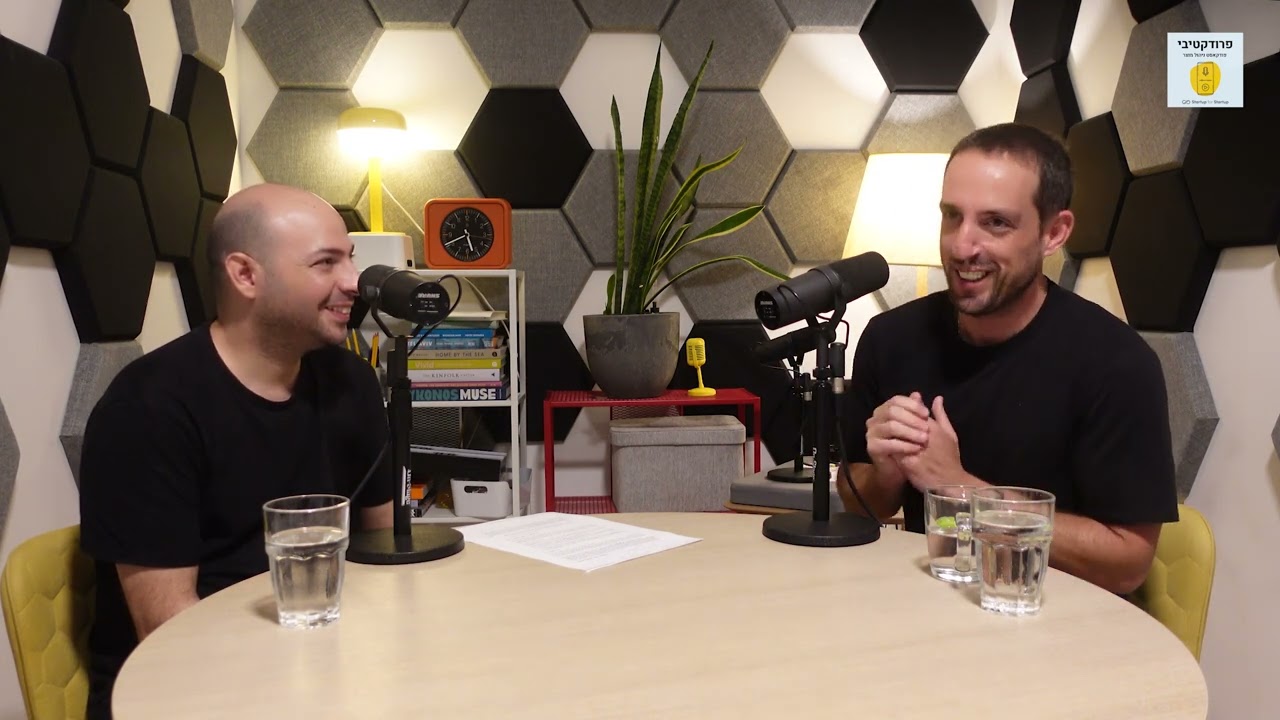
In a recent session, Ohad Frankfurt, VP Growth at Boards, shared an unprecedented journey of transforming product trial strategies to achieve remarkable revenue growth. Boards, a company serving the direct sales market, faced the challenge of converting its organically growing user base into paying customers. Frankfurt detailed how his team's relentless experimentation and innovative thinking led to a staggering 300% increase in conversion rates, moving from single-digit percentages to well over 10% within 30 days.
Boards, founded in 2021, experienced impressive organic growth in the underserved direct sales market. However, the initial challenge was converting these free users into paying subscribers. Their first paid subscription model, a single-tier $9.99/month plan, showed promise, but the 30-day sign-up to pay conversion rate (CVR) was in the single digits. The goal was ambitious: a 10-20% CVR, significantly higher than the industry average of 3-5% for B2C products.
The journey began with optimizing the initial credit card-required trial. While 70-80% of users who committed to the credit card trial converted, the overall entry rate into this trial was low. Boards experimented with in-app models, communication, and even trial durations, discovering that a 7-day trial didn't impact conversion compared to 14 days. A crucial insight was the importance of timing: offering the trial based on user intent, rather than at day zero, slightly increased qualified users but didn't provide the desired scale.
The next major shift was the implementation of a 'reverse trial' model, where new users started with 14 days of full premium access without requiring a credit card. This presented a new challenge: balancing activation with monetization. The strategy focused on helping users create valuable 'assets' within the product during the first 10 days, making them realize the worth of the premium features. Boards also strategically used discounts for early conversions and heavily leveraged 'loss aversion' in days 11-14, emphasizing what users would lose if they didn't upgrade. Surprisingly, the period immediately after the trial (days 15-20) also yielded significant conversions, demonstrating that the sales process extends beyond the official trial period.
The ultimate breakthrough came with a hybrid trial model. Instead of immediately offering a free reverse trial, Boards presented a paywall first. Users could choose to subscribe immediately (often with an annual discount) or opt for a free 14-day reverse trial without a credit card. This seemingly counter-intuitive approach led to nearly 10% of new users choosing the paid option upfront, and combined with the refined reverse trial for others, boosted overall 30-day CVR by 300% in key markets. Ohad Frankfurt emphasized that there's no single framework for trials; continuous experimentation, understanding user intent, and optimizing entry/exit points are paramount for turning a trial mechanism into a powerful growth engine.
“I think that you always have to think about a trial as something that doesn't have a framework. It really doesn't. I wish there was a checklist where I could say, 'Okay, I did this, I did that, everything went well.'”
- Ohad Frankfurt, VP Growth