- Traditional puppetry meets cutting-edge generative AI.
- Production time slashed from weeks to hours.
- New pipeline emphasizes human imperfection for authentic results.
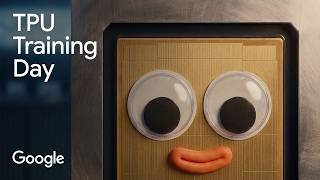
- Google's Timmy TPU project showcases creative synergy.
In a groundbreaking fusion of classic artistry and advanced technology, Google AI is redefining character animation by integrating traditional puppeteering with generative AI. This innovative approach, highlighted in the 'Puppets x AI | Behind the Scenes with Timmy TPU' project, demonstrates how artificial intelligence can amplify human craft rather than replace it, leading to unprecedented creative possibilities and efficiency gains.
The core philosophy behind this project is the idea of combining puppeteering with generative AI as a direct method to instruct the model. This unique blend allows for rapid iteration and visualization, drastically cutting down production timelines. What once took three weeks to render a final frame can now be achieved in just a couple of hours, showcasing the immense power of AI in accelerating creative workflows.
Central to the production method is a 'high-fi and low-fi' sensibility. The process begins with creating an input video that captures the nuanced performance of a character, whether through simple 3D animation or tangible puppetry. This raw input is then transformed using tools like Nano Banana to apply concept art and craft a first frame, establishing the visual language of the film. Subsequently, technologies such as Gemini Omni and experimental video models from DeepMind are employed to bring these elements together, offering precise control over the scene while significantly elevating its visual style.
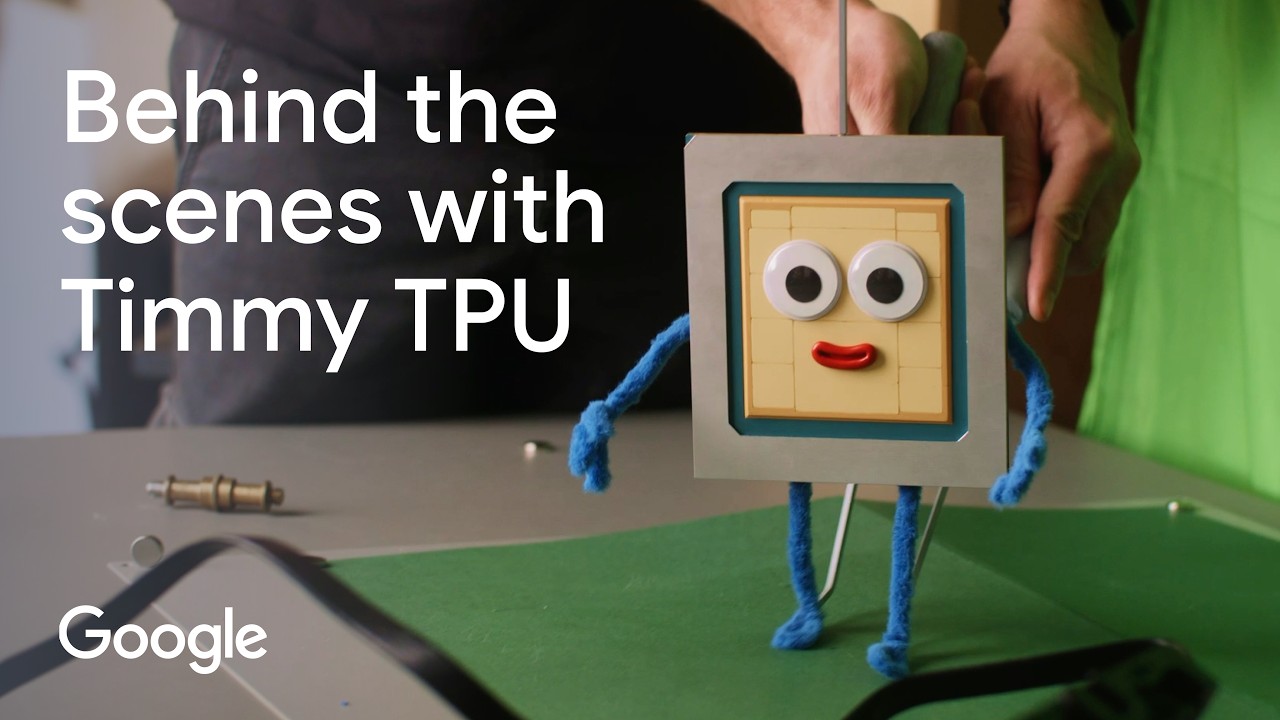
Crucially, the project's 'North Star' is to insert something inherently human and fallible into the AI-generated output. The creators intentionally preserve the charming irregularities and imperfections that arise from human manipulation, such as the subtle shakiness of a puppeteer's hands. This deliberate retention of 'evidence' of the human touch ensures that the final characters feel authentic and relatable, rather than sterile or overly polished. The model is capable of capturing these subtleties, allowing the unique character of the puppet's movement to persist in the refined digital footage.
This endeavor represents more than just a technological advancement; it's a testament to creative collaboration. The team acknowledges that they are forging an unproven pipeline, requiring a strong director and creative team to channel the inherent randomness of AI into specific, artistic outcomes. By bringing together fabricators, model makers, and AI technologists, the studio exemplifies how new technology can be embraced while retaining invaluable traditional skills and crafts, ultimately fostering a magical environment where people are having fun playing with puppets, augmented by the power of AI.
“I think my North Star through this project is how you can insert something that feels very human and fallible. We leave the imperfection of kind of shaky hands on rods.”