- Super Bowl halftime show built in a mere six minutes, accommodating 400 dancers and hidden cameras.
- Julio Himede's design philosophy emphasizes authenticity and emotional connection, even amidst technological advancements.
- From brutal design school critiques to embracing risk, Himede's career is a testament to perseverance and collaboration.
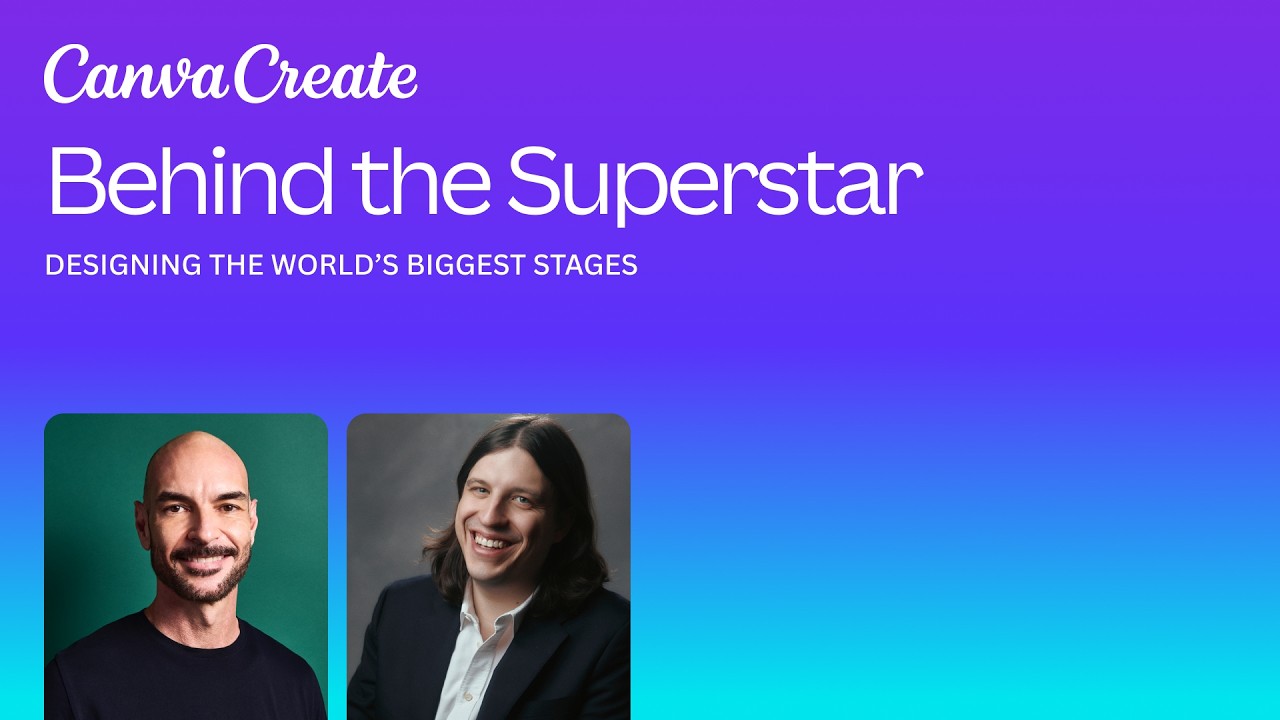
In a world where live spectacles captivate millions, the intricate art of production design often remains unseen. Julio Himede, the visionary behind some of the biggest stages for artists like Bad Bunny and Shakira, offers a rare glimpse into the high-pressure, high-reward world of live event creation, revealing the human ingenuity powering global entertainment.
The Super Bowl halftime show is a masterclass in logistical precision, a fact underscored by Julio Himede, the production designer responsible for its breathtaking scale. With a mere six-minute window to load in an entire set, including 400 dancers and complex stage pieces, the challenge is immense. Himede recounts the engineering marvels required, from lightweight props to fitting massive structures through stadium tunnels, all while ensuring the field remains pristine for the game's continuation. The pressure is palpable, yet the result is a seamless, emotionally resonant performance that transcends the stadium experience to captivate millions watching at home.
Himede's journey to the pinnacle of production design began with formative experiences, including a demanding education at NAIDA in Sydney, Australia. He recalls the 'brutal' critiques that forced him to develop a theoretical basis for every design choice, a stark lesson from an early misstep of simply stating 'it looks good.' This rigorous training, coupled with his first major role as an assistant designer for the Sydney 2000 Olympics, instilled in him the critical importance of collaboration, delegation, and, crucially, speaking up. He emphasizes that even a nascent idea, if unspoken, can be lost or claimed by another, a lesson he carries into every project.
Moving to the US in 2014 represented a significant risk, forcing Himede out of his comfort zone to cold-email and network from scratch. This perseverance led to dream projects like the Kids' Choice Awards and ultimately, the Super Bowl. His design philosophy, often described as 'painting the landscape,' seeks to create meaningful, multi-dimensional compositions. A pivotal moment came with Bad Bunny's Super Bowl performance, where the artist's brief for authenticity—celebrating Puerto Rican culture without stylization—deeply resonated with Himede, allowing him to embrace his own Latin roots more fully in his work. This commitment to genuine storytelling, he notes, is key to successful collaborations, as seen in his extensive work with Shakira.
Looking to the future, Himede addresses the role of artificial intelligence in design. While his studio increasingly utilizes AI, he firmly positions it as a tool to enhance ideas, not to generate them. The human element, the emotional connection, must always drive the initial concept. This approach ensures that technology serves creativity, rather than dictating it, preserving the soul of the piece. This balance was evident in the Super Bowl's 'grass costumes'—a logistical decision that unexpectedly became a viral cultural moment, proving that even the most calculated designs can yield unforeseen, heartwarming impacts.
“When we work with Benito, the only brief for us was to celebrate music and dance and to be authentic. And I think that really resonated with me because every decision that we made was authentic to Puerto Rico and the Latin community.”