- Event professionals are shifting focus from logistics to deep human connection.
- Data-driven personalization and thoughtful design are key to attendee satisfaction.
- Fostering belonging and community combats imposter syndrome and burnout.
- Effective leadership requires understanding communication styles and prioritizing team well-being.
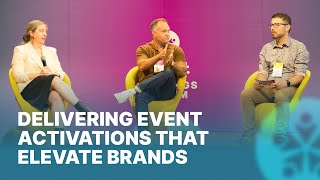
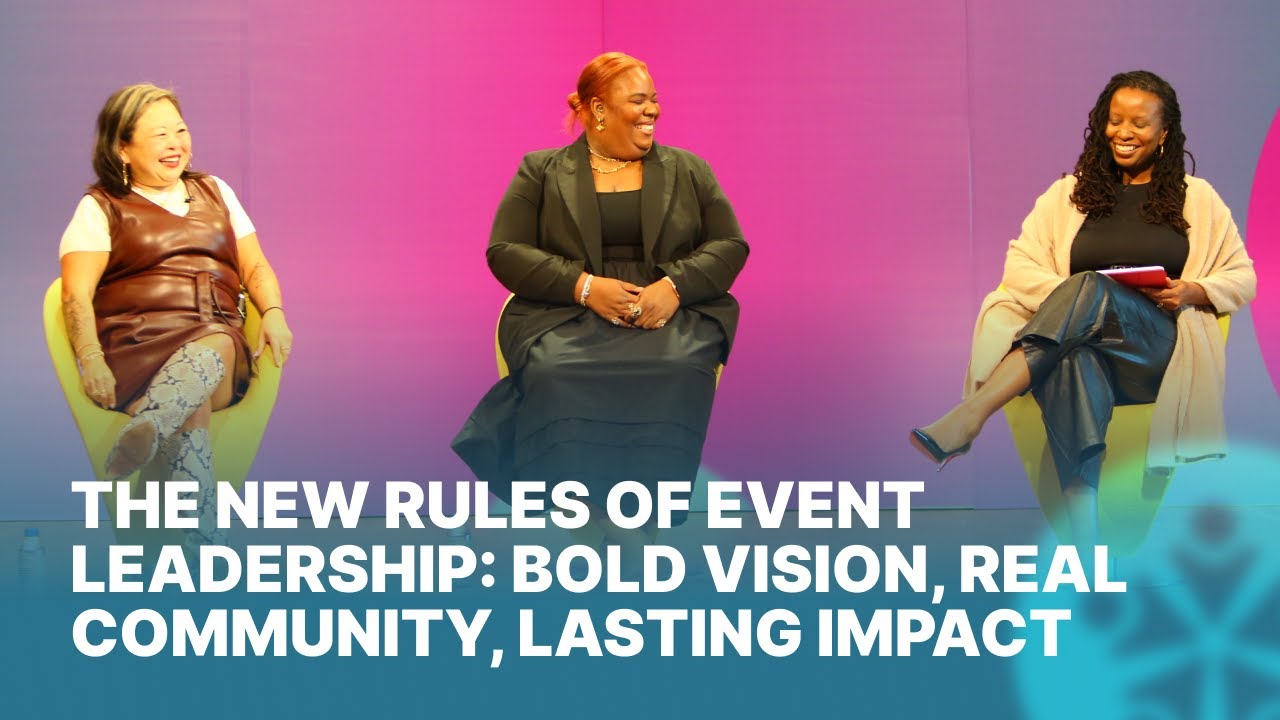
In an increasingly crowded event landscape, the true measure of success is no longer just attendance or revenue, but the depth of connection and transformation experienced by attendees. A recent panel discussion featuring leaders from Pinterest, Forbes, and TED illuminated the 'new rules' of event leadership, emphasizing a profound shift from transactional gatherings to spaces that foster genuine community and lasting impact.
The core of this transformation lies in making attendees feel 'seen and heard.' Jessica Charles, VP of Programming Events at Forbes, highlighted that the best feedback her team receives is when participants feel their input has been incorporated, enhancing their experience. This sentiment was echoed by the moderator, who emphasized the importance of 'thoughtfulness' in every operational detail, from seamless registration to abundant amenities, ensuring attendees are treated as 'people, not cattle.' This human-centric approach is foundational to creating memorable and impactful events.
Leveraging data is another critical component of modern event design. Judy Lee from Pinterest shared how their rich, intent-driven user data informs event experiences. By understanding what users plan for and aspire to, Pinterest creates activations that resonate deeply, such as styling workshops at music festivals or inclusive AI search tools that foster a sense of belonging. Similarly, Forbes customizes experiences for distinct personas, recognizing that CMOs might appreciate free swag while CIOs prefer personalized items. This level of personalization, driven by data and empathy, ensures relevance and engagement for diverse audiences.
Beyond personalization, building authentic community is paramount. The panel discussed moving past mere 'networking' to cultivate real connections. TED, for instance, developed a comprehensive 'first-timers program' to address imposter syndrome among new attendees. This program includes pre-event virtual sessions, practical advice, and on-site 'play' activities like a rock-paper-scissors competition, which organically fosters friendships and breaks down social barriers. Incorporating elements of play, as seen in Pinterest's creative workshops at Cannes Lion, allows attendees to drop their guard and connect on a more human level, collectively creating rather than just consuming.
Finally, effective event leadership extends to internal team dynamics. Balancing senior stakeholder expectations with team well-being is a constant challenge. The panelists stressed the importance of trust, transparency, and understanding how leaders prefer to receive information. Prioritizing team vacations and fostering a collaborative, supportive environment is crucial to preventing burnout in a high-pressure industry. By investing in their teams and empowering them, event leaders can ensure the sustained creativity and dedication needed to deliver exceptional, community-driven experiences.
“You bring people together and you give people something that they can't get anywhere else. And that's true community.”
- Monique Ruff-Bell, Chief Program & Strategy Officer at TED