- HubSpot's Inbound conference moved to San Francisco, making a bold statement.
- Post-COVID, Inbound reduced attendance to enhance attendee value and content focus.
- Experiential marketing is gaining critical importance amidst AI's digital disruption.
- Brands are shifting from transactional sponsorships to co-creative partnerships.
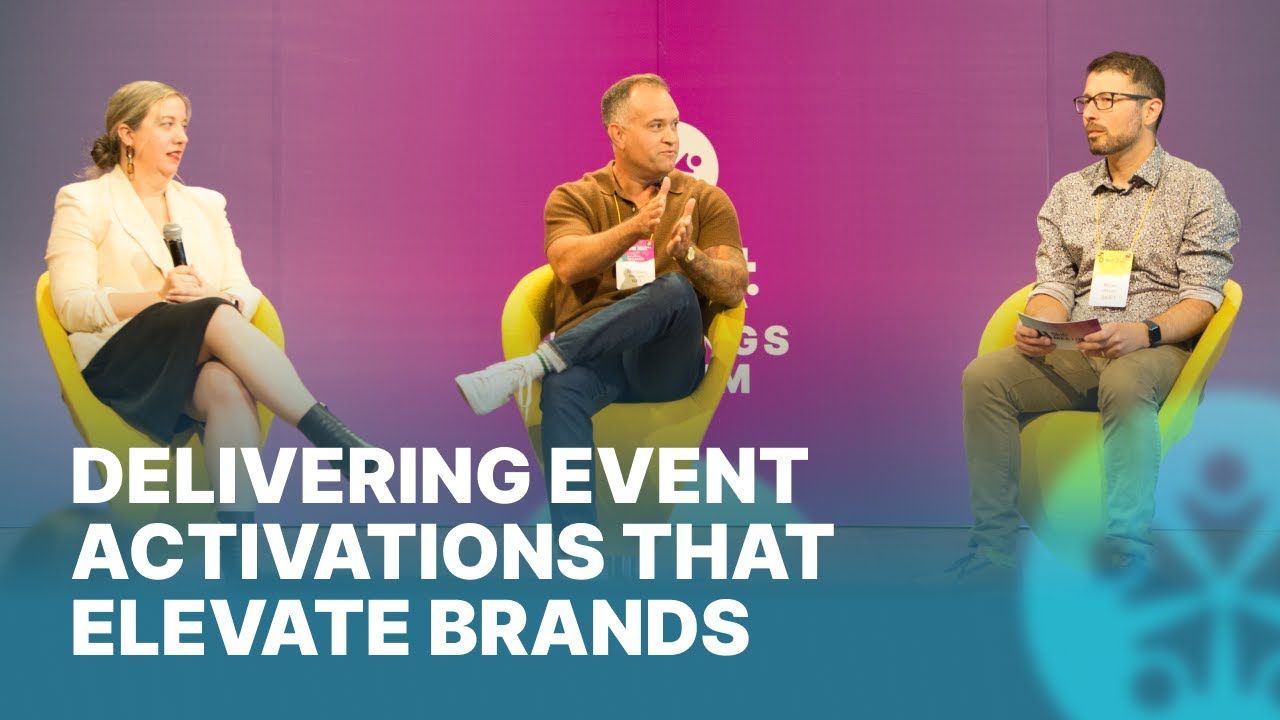
In an increasingly digitized world, the power of in-person connections and authentic brand experiences is more vital than ever. This sentiment was echoed by industry leaders Cat Tulie from HubSpot and Brendan Brown from GPJ, who recently shared their insights on delivering event activations that truly elevate brands.
HubSpot's decision to host its iconic Inbound conference in San Francisco, a city typically associated with a competitor, was a strategic move to assert its presence. Cat Tulie, HubSpot's representative, explained how they 'took over the town in Orange,' leveraging out-of-home advertising to make a significant statement. This bold approach highlights a growing trend among brands to create immersive, memorable experiences that extend beyond the event venue itself.
Following the pandemic, HubSpot made a conscious decision to reduce Inbound's attendance from 20,000 to 13,000. This wasn't merely a safety measure but a deliberate strategy to foster a more focused, high-value experience. By tailoring content and networking opportunities to a more specific persona, HubSpot was able to increase ticket prices and deliver a better return on investment for attendees and sponsors alike. This shift underscores a broader industry movement towards quality over quantity, prioritizing deep engagement and loyalty.
The discussion also delved into the transformative impact of AI on event marketing. Both Tulie and Brown emphasized that as AI democratizes digital marketing, authentic face-to-face interactions become indispensable. Brendan Brown noted that experiential marketing is now expected to do 'a lot more heavy lifting' in the broader marketing mix. This means moving beyond traditional 'logo slapping' sponsorships to fostering co-creative partnerships where sponsors are integrated into the event's core content and story, delivering genuine value to attendees.
HubSpot's embrace of 'guerrilla marketing' around Inbound further illustrates this adaptive mindset. Rather than viewing external activations as competition, HubSpot welcomes them as part of a larger ecosystem, recognizing that they widen scale and offer diverse value to customers. The session concluded with a look at AI's role in event technology, from HubSpot's rapid development of an AI agenda builder to its use in data enrichment and real-time event optimization, demonstrating how technology can enhance, rather than replace, the human element of events.
“Experiential marketing as a craft was really only named about 15-20 years ago where it's like we're going to call this what we're doing planning events strategy around events meeting people in person underneath the moniker of experiential.”
- Miguel Neves, Editor-in-Chief at Skift Meetings