
- DoorDash nearly ran out of cash multiple times, including a 40% bank account refund.
- The restaurant industry faces perennial challenges like staffing and complex permitting.
- Autonomous delivery robots like 'Dot' and drones are shaping the future of logistics.
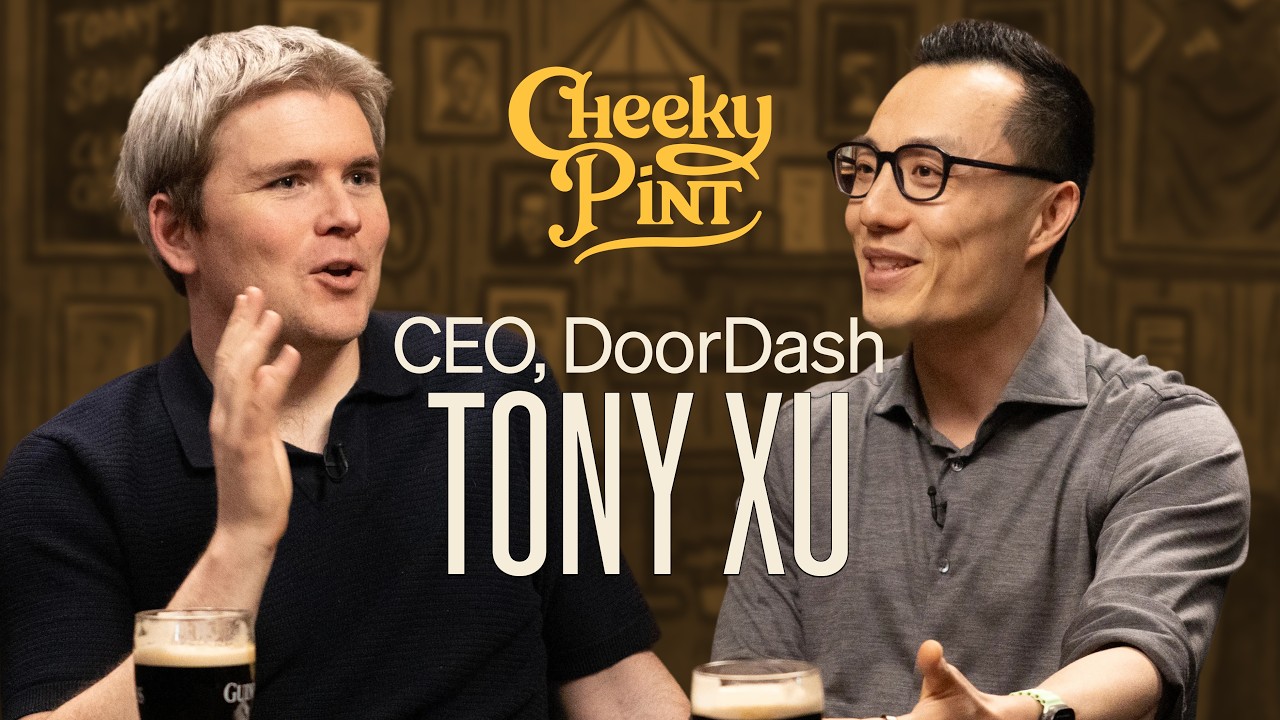
Tony Xu, co-founder and CEO of DoorDash, offers a candid look into the demanding world of food delivery and the restaurant industry. From moments of existential crisis to pioneering autonomous delivery, Xu reveals the strategic mindset that propelled DoorDash to market leadership.
DoorDash's journey from a 2013 Stanford side project to a dominant delivery platform was far from smooth. Xu recounts multiple instances where the company faced imminent financial collapse, including a pivotal moment in 2013 when a decision to refund every late order during a Stanford football game cost 40% of their remaining cash. This high-stakes commitment to customer obsession, coupled with an early focus on retention over aggressive spending due to budget constraints, proved instrumental. "We had no money to market to them or discount offers," Xu explains, forcing product innovation that fostered organic growth and a loyal customer base.
The conversation delves into the intricate economics and evolving trends of the restaurant industry. Staffing remains the number one challenge, driving restaurants towards either high-service hospitality or efficient manufacturing models. Despite these difficulties, the industry continues to grow, with consumer spending on eating out steadily increasing over the last 75 years. Xu highlights the paradox of widespread restaurant growth amidst increasingly difficult permitting processes, advocating for reforms to support small businesses. He also addresses the 'ghost kitchen' phenomenon, explaining why the model, while seemingly logical, struggles to scale for most brands due to customer acquisition challenges and the high opportunity cost for established chains.
Looking ahead, Xu outlines DoorDash's ambitious vision, extending beyond food to delivering "everything inside the city." This involves tackling the monumental task of cataloging millions of unindexed items and optimizing inventory staging. Autonomous delivery vehicles like 'Dot,' designed for suburban and specific urban routes, and drones for longer distances, are central to this future. Xu emphasizes that the technology must solve real problems, not just exist. He also touches on the pervasive challenge of fraud, both online and offline, detailing DoorDash's sophisticated systems for prevention and rapid response, including physical safety alerts. Furthermore, DoorDash is expanding its B2B offerings, aiming to provide restaurants with comprehensive software solutions, including CRM and reservation systems, to help them build customer relationships and achieve their unique business objectives.
The discussion concludes with insights into the potential of AI for recommendations, where large language models could revolutionize personalization, and the critical importance of end-to-end execution in any AI-driven commerce. Xu stresses that a frictionless AI interface is meaningless without reliable logistics. His personal reflections on global food culture, from London tea sandwiches to European prepared meals, underscore the deep connection DoorDash aims to foster between local businesses and their communities, celebrating the passion that drives the diverse tapestry of urban economies.
“If we are not solving the end to end job, it's not going to matter.”
- Tony Xu, Cofounder and CEO