- Nuclear energy's public perception and regulatory environment undergoing a radical, bipartisan shift.
- Antares targets military and off-grid critical infrastructure with sub-megawatt reactors, aiming for a 2027 demonstration.
- Challenges include a heavily foreign-dependent uranium supply chain and navigating hard tech's 'valley of death'.
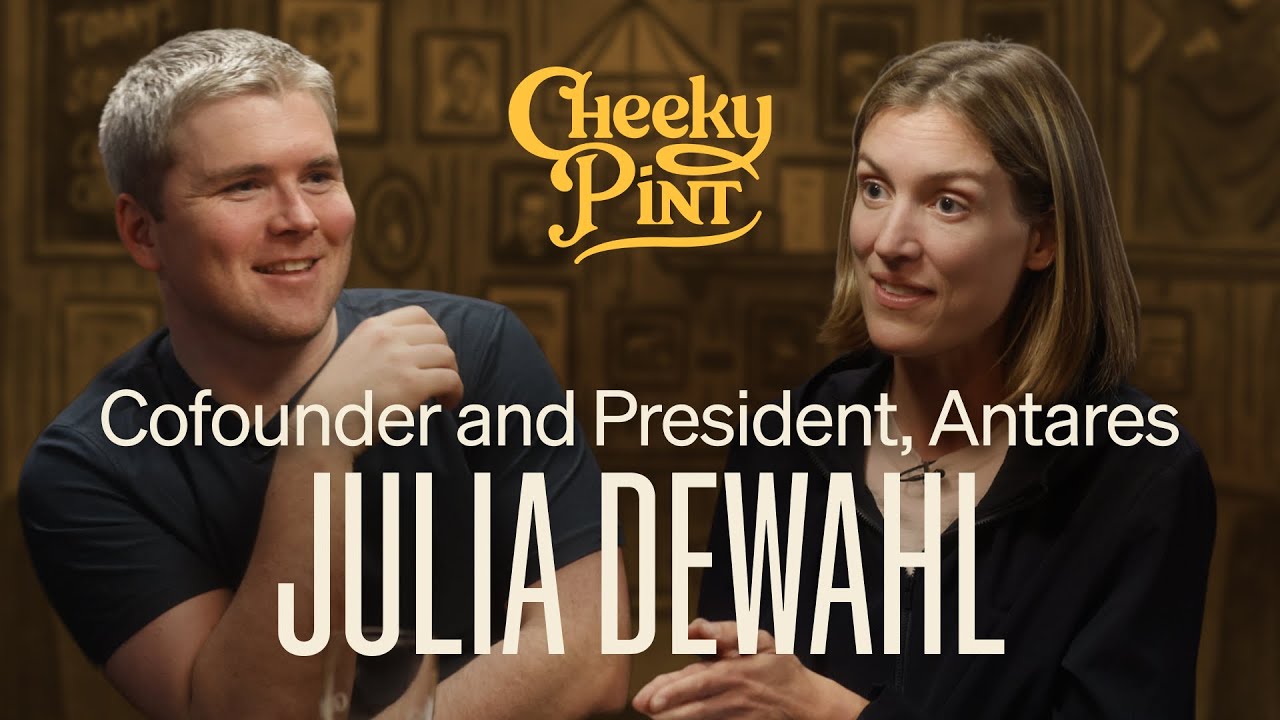
Julia DeWahl, co-founder of Antares, is at the forefront of a nuclear energy renaissance, designing compact microreactors to provide resilient, off-grid power for the US military and critical infrastructure. Her vision is fueled by a dramatic shift in both public sentiment and regulatory policy, creating an unprecedented opportunity for nuclear innovation.
The landscape for nuclear energy in the United States has undergone a remarkable transformation in recent years. DeWahl notes a significant, almost 20-point swing in public support, particularly among younger generations, likening the shift to the acceptance of gay marriage. This change is mirrored in a bipartisan regulatory overhaul. The Nuclear Regulatory Commission (NRC) has expanded its mandate beyond mere safety to consider the broader civilizational context, while Department of Energy (DOE) pathways have been unblocked for test reactors. A significant Trump-era executive order even created a 'regulatory sandbox' with the DOE, allowing companies like Antares to develop and test reactors without immediate NRC oversight, accelerating the path to deployment.
Antares is strategically targeting the US military as its initial 'beachhead' market. These microreactors, operating at sub-megawatt scales (comparable to powering hundreds of homes), are designed to replace vulnerable diesel generators at critical defense sites and off-grid locations. DeWahl emphasizes the military's 'mission-critical need' and willingness to pay a premium for resilient, 24/7 power, a concept she calls 'premium power.' Beyond defense, Antares envisions future commercial applications in industries like oil and gas, and mining, where remote operations currently rely on complex and vulnerable fuel supply chains. The company aims for a criticality test by 2026 and a full demonstration unit producing power by the end of 2027.
Despite the promising regulatory environment, Antares faces significant challenges inherent in hard tech development. The nuclear fuel supply chain remains a critical vulnerability, with nearly 50% of US uranium still sourced from Russia and ex-Soviet states. DeWahl stresses the need for greater domestic capability in mining, conversion, and enrichment. Building a hard tech company also involves navigating substantial capital intensity, complex government contracting, and recruiting top talent in a competitive landscape. However, the recent announcement of an $80 billion US government investment in nuclear development, alongside partners like Westinghouse, signals a powerful market catalyst, attracting new private capital and moving the industry beyond the 'valley of death' for startups.
“I can't even tell you how much has changed in the last few years. They changed the mandate of the NRC and they said you are no longer focused just on safety.”
- Julia DeWahl, Cofounder of Antares