Mainframe Exit: AI Refactoring Slashes 5-Year Projects to 17 Months!
In a groundbreaking move, financial services giant Fiserv, in collaboration with HCLTech and Amazon Web Services (AWS), has dramatically accelerated its mainframe modernization journey. Leveraging AWS Transform's agentic AI capabilities, a complex, mission-critical application migration that typically takes years is now on track for completion in just 17 months, setting a new benchmark for speed and reliability in the financial industry.
“My question is not whether to modernize, it is how fast can you do it.”
Mainframes are mission-critical but modernization is a nightmare. Discover how Fiserv, with HCLTech and AWS, leveraged Agentic AI to accelerate a complex mainframe migration. Learn to de-risk your own cloud journey and achieve unprecedented speed.
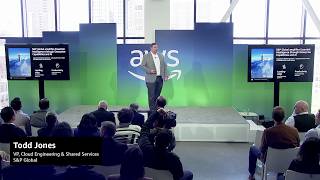
Good morning and welcome everyone. Thank you for joining us today. Um my name is Sachin. I'm the AVP and global client partner from Tech. Uh so like most of you I think I have I have spent a good part of my careers with mainframes and that taught me one thing that these systems that these systems while one thing which is more stable than mainframe system is our reluctance to touch them. So uh with with that I think uh fulfill
most of us understand why mainframe systems are so important. I think um they they are just not the legacy systems they are they are core to they are core to every business because because they run mission critical applications. So while while everyone wants to modernize these mainframe systems but the tolerance to disruption is so low that makes them so complicated and you can imagine the scale. And some of these systems are running 24 into 7 uh every day running mission critical applications uh wherein they are processing millions hundreds of millions of transactions every day. Uh and even smallest of disruption can cause probably financial impact on people like you and me. So that's the scale which
makes them so complicated to modernize. uh in today in today's story what stands out is just not the scale but also the approach uh that this was not a not a slow uh not a slow and multi-year rewrite but we wanted to modernize uh with the speed while we can maintain uh uh the the future maintainability of the system. So that's that's what the what was the key the this was also not
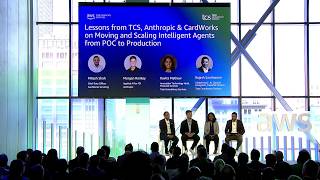
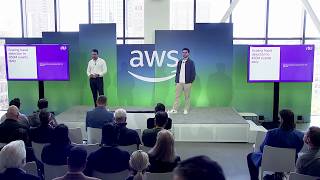
about the technology because today with we all understand with AI powered migration and agentic AI coming in it's disrupting every day on how some of this can be scaled. I think some of these modern nations are also about how at this scale how leadership sponsorship and ownership is available. What are the platforms and technology available with you and most importantly what is the discipline from the team which is executing these migrations. uh th those those are some of the key things which what you will take away from this session is what was the thought how this journey has evolved uh at in the in this journey which we we took uh how we are doing this large scale migration and most importantly what has been our learning from this so far which probably some of you can use if if you decide to take the journey yourself. Uh with that uh let me uh let me invite our speakers to introduce themselves with air. Uh do you want to introduce yourself? >> Yeah, good morning and thanks for having
me here today. Uh I'm Ma Amir um vice president merchant services technology in Fiser. I've been with Fiser for 3 years. Uh my career throughout uh you know over 20 years and somebody was saying that I don't look like that. uh have been uh uh not intentional but have been with payments card processing uh in major institutions right now I'm in CISA before that I was in JP Morgan Chase I've worked across the spectrum of um card processing or payments technology from merchant side to issuing side to merchant acquiring side uh have been dealing with uh systems that are super critical high volume low latency available all the time uh just no down no downtime and if you are even down for a second you are impacting thousands of customers. So that's the scale that you know uh that I have lived throughout my career. >> Thank you Rob. >> Robert Collins uh I started my career in the late 80s as a mainframe developer. Um I've been in this space for quite some time. I think I did my first mainframe migration project in 1996 just to give you an idea how long I've been playing with this stuff. I've had a lot of different roles over the years in both the technical side as well as the business side. So I appreciate the opportunity to speak with you. Uh my focus within AWS, I am what's called a partner development specialist specifically focused on mainframe modernization. So I work with partners such as HCL Tech to to help build and grow and and manage that practice and the work we do together. >> Thank you. >> Thank you Rob. Uh with that Ahmed let me start with you. Uh can you start giving us a sense of this scale advisor and why did you prioritize this migration at this point in time? >> Yeah. Uh so let me give you uh let let me set the stage with some context on like who we are serve and the scale we operate at right. Um we are a global leader in payments technology and financial technology. Uh we serve client across the spectrum of all the financial services be it acquiring issuing merchant uh business digital banking you name it we are serving the clients with that. Um and at the scale that we operate at uh I think these numbers will help you right uh we are uh supporting 6 million merchant location globally we handle 25,000 transactions per second uh at peak uh we will uh we manage 1.6 6 billion accounts on file and uh we serve over 10,000 financial institution clients. That's the scale that we operate at. Right? When we look at that scale,
modernization whether it is mainframe or any other technology for that matter, modernization is never theoretical, right? It has to work in production every second of every day. you just don't have a downtime uh available to you. So that's that's what you know this scale brings up. Um in terms of uh prioritizing mainframe modernization what I'll say is I I'll take a little bit of a step back right like uh I joined Fiser 3 years back and around same time we within merchant services uh division of fiser committed to AWS fully right uh that's not just right like we are not treating it as a migration we were looking at it as a as a as a platform shift right like how we build uh how we accelerate how we build and how we operate. So we moved application to AWS. We built uh cloudnative applications. Um and that momentum uh laid the foundation to look at you know one of the most critical application uh platform that we have and that's host data capture. uh is is one of the most critical application and uh just to give you this uh you know context of it it sits right at the center of how we process and settle transaction. These are financial transactions that we're talking about it. Uh it is processing over $10 billion of daily processing volume, right? Uh with tens of millions of lines of code with over 150 million transaction records every day. Uh so when you when you look at that scale uh you look at it right like the there is there is no downtime you know it is always up as Sachin was mentioning in the beginning right like and you have to if you are looking at a modernization of such a platform you have to look at it like as they say
right in our industry I I tell that all the time right like it's changing the engine of a flying plane while keeping the plane fly at the same time um so that's that's what we were looking at with the mainframe and we have a large mainframe estate within our uh organization and we looked at this one to say that okay you know this is complex it's critical uh but it's also something right like there were pressures that led to for us to go in that direction and what what were those things definitely as you probably all of you are aware right like shrinking mainframe talent pool uh that's that's the number one criteria right over there innovation velocity right like that you just can't compete with modern tech stack uh if you are still operating on mainframe um another part was globalization we were going you know in around the world around the globe and you just can't take mainframes with you right uh so we there were pressures that you know hey we need to do this modernization so that's where we started that journey >> thank you Ahmed yes Rob uh in your role you work with so many customers and you deal with I think while ARS and that what what the complexity is what makes them so difficult to modernize what has been your act >> well I everybody in here is is in the space and you know the complexity of these systems that is the problem they're not little small self-contained incidental applications right I mean everybody in here knows that these things are woven throughout the enterprise and there are so many different things plugged into it and sharing information across all the different platforms that are inside the company. So taking that out of that architecture and putting it into a different structure is is complicated just by its nature of of what it is. So I mean that's these are these are huge systems typically lots of different strings and the data you know goes all over the company >> makes sense. Thank you. So coming back to air uh how how did your journey evolve? uh what shaped your decision on what path do you want to take?
>> Yeah. So if I look at it right like I I talked about you know we're looking at this most critical application right like one of the most critical applications and we're looking at mainframe modernization and as anyone like if especially from technology background you go like okay we're going to rewrite this application right like that was our initial approach right and we started evaluating that how we're going to do that how we can slice and dice you know the functionality the components of this platform and take it into cloud uh uh on AWS and when we looked at that that looked like something that will take 3 to 5 years um with uncertain outcome right many of you probably are witness of that right like we take on a journey we think right like we can get it done and at the end of it you have an one additional system uh that now you have to support and live with uh so that was our initial approach uh that we were looking at it and when when we looked at the timeline and you With all the complexity and everything, we started like our approach started to a little bit evaluate you know and evolve into you know second part where we started looking at like whether there are options like replatforming right uh there are um there are technology like micro focus that lets you put the cobalt code right like as it is onto AWS and you can run it and we started looking at it like okay maybe we have to do like a two-step process we can get it over there with micr focus And once it is in AWS then we can do the same slice and dice right but then the data is already there application is already running and it will be a little bit easier right and maybe we can shrink the timelines I don't know 3 years or something like that right like so >> I remember we spoke about five years then we start [laughter] >> yeah so >> yeah so we're still looking at that right like and uh from there it evolved right like this is where um AWS transform comes into picture right uh and uh we started talking to AWS team about this product and that's that's what we went with and
why did we go with that right like why what led to that when we evaluated that this is where you know AWS offers right like there are two two parts to it right like there is a there's a refactoring part uh where they're like kind of like converting cobalt to Java without losing any business logic high fidelity with the business logic right like from going from cobalt to Java um I think uh somebody from AWS shared at that time right like when we were evaluating that they have what 99.996% of accuracy which is almost like a four defects per 10,000 lines of code. Um that's very impressive as compared to you know any other approach that you take and you probably are going to be sitting in like 80 to 90% uh you know fidelity wise with the business logic. Uh so that was impressive right like so we're like okay yeah that's good. Um but then there is a AI component to it right like I think AWS called it re reforging you know and which can take the cobalt to Java converted code and actually make it look like what a modern Java software engineer u is used to right they can maintain they can extend it they can develop it they don't have any problem and in with that same thing is still maintaining that high fidelity when you approach and this is all getting combined into one uh you know one step and that one step is you know like when we looked at the timelines it was coming to 17 months or something. This was no-brainer at that time, right? Like this was a game changer. We're getting both the things that we're trying to do. Uh not in a multi-step process, not a 5-year journey uh within 17 months. >> Thank you. Uh you already answered you know I wanted to ask you what led to choosing AWS transform but Rob from your
point of view so much AI is disrupting this every day. So what what is your thought? what what is what are you seeing your customers adopting more and more as their path uh to to transformation AWS transform or what how do you see this? >> Well, we're we're seeing more and more people take advantage of transform because what it's doing is it's speeding up the process. what we what you know I've been like I said I did my first migration in 96 right and pre uh AI based technology you had to have you spent a lot of time trying to understand the application what's it do how does it work what are what are all the things that make this application you know do what it does so you had to have a lot of business expertise as part of the the team you know your your technical team doing the the heavy lifting with transform what we've done is sped up that process significantly. So you can take all the application code, dump it in there and you can say so show me how my billing applica process works and that information is immediately available to the person asking the question because it understands it using using the capabilities of technology stack whereas before you had to have bring in the business expert who understands our billing process and let's walk you through how this stuff works. So what's happening is that the time that it used to take to not only understand the application but get to the point where you're now you have code converted and you're testing how how it's going to run in the new target platform. That time frame has been significantly compressed. And so that's what we're seeing across the industry. We're seeing that time in and time out where we're taking projects that the the old traditional methods again would have taken months to get to a certain point and the teams are going well yeah we did that that was last week. This week we're we're now focused on how do we how do we reimagine this application that's more of what we're spending our time and focusing on. Does that make sense? >> Thank you Rob. So Aml uh you decided what tool you
wanted to use. Then how did you operationalize this right? What was in your mind? What what role your partner played into the journey? you you you thought of testing because these systems are complex as so >> no so I think uh technology is uh one thing right like but then when you're looking at a program or where you are trying to modernize and take something that critical uh into cloud you have to have a great program in place right um and that's what this a lot of times that's what you know makes it successful or a failure right and we put a program in place right from the get-go right And this is where the partners come into picture right uh HCLtech and AWS with us right like and let me give you a little bit of more about that right like so AWS critical here right like they are the you know it's AWS transform is their product they have they bring the expertise they know in and out of it and they are with us as we are doing going through this journey right like so any any defect any challenge that we're facing they are there with us but not only that because it is AWS and we are getting into AWS cloud any other technical expertise that we need it was with us with our partner right like so that was very you know um very good in this whole uh program that we put together HCL tech um HCL tech brings um at scale operational execution and transformational you know expertise uh when when you when we are trying to do something this at this scale you need a partner that can mobilize a skilled team members quickly and operate with rigor and that's what HCL text brought it uh but that's not it ferve like we ourselves have to be there this is not one of the thing where you know you can say here are the vendors like go go go do this thing and come back to us once it's done right like we do a hand off approach no it was from day one fa we as a team that we we operated it as a as as one And we are there with them right like whether you are facing any challenges whether we are making some architectural decision design decision what tool to use here how is it going to work we are there with them and that is a very critical and important part as well right this partnership and laying down those you know how are we going to operate whether it is our standups whether we are our weekly cadences the some of the workshops that you do they all contribute to the success of this thank you so much so and that's very insightful but once you how did you build confidence in your business teams for the transform system because they have been using this for years and then all of a sudden you have such a team of mainframe developers and you decided now they all have upskilled Java and maintability maintenance of the system becomes in challenge so many apprehensions comes in mind so how did you build that confidence
>> yeah so I I'll answer it in two parts parts right like so I mentioned about right like that we we we're using right like we said that okay transform is a product right like that can combine two steps together can get it done in 17 months that's not it right like yeah this is all good but what is on paper and some of the things like as Rob was mentioning um a very first thing that we did with AWS transform or AWS transform did you can give it entire code base this is we're talking about millions of lines of code we're not about five programs right like that. it can you know parse out the logic from it millions of lines of code and it will do the analysis and the discovery and it will find out all the you know uh dependency chart and all you know business logic extract all of it out within like I don't know days or weeks right like this is where agent AI comes into picture and it was available with us this is months of effort that was already there that starts to already show you that right like hey yeah this is something that we can get there without the need for an knowledge. Maybe what is sitting in his head or her head or you know what is there in the code because this is a 20 30 years old platform you know not everybody knows everything that this platform does. So great great over there. uh uh second part of it right like AWS transform I still remember in the beginning right like it is not a tool that just takes out the requirement and then goes like okay let me from that requirement and start building the code and now it is missing the functionality the you know are you know some of the edge cases and corner cases it's very deterministic transform that it work and this was a thing right like that any if else condition anything any anywhere it's actually has a very high fidelity with the output you know so the quality of the output was great. Um other thing that little bit not on AWS transform but we set it out from day one and that is very important if nothing else you guys can take from this uh conversation is we talked about pro parallel testing right that was the critical part about uh all of this to set up an environment where this transform platform can run alongside our mainframe platform processing the live production traffic onto the both systems and comparing the outputs at real time and we're talking about like you know as I said 150 million records every day all of that getting compared and output and you can see that it is operating in it that part itself gives you immense confidence that you know what you're doing is going to work right and it it can deliver uh and it just um if you look at your test cases your functional testing your synthetic test cases. Nothing can get to that level because this is diversity of data data in production with 150 million records every day is so immense that no synthetic testing no functional testing can cover that. So those are the things that really you know build that confidence as we go along. Thank you. Uh so you transformed the system and you build that confidence. Now the results
right what did what did you expect and how did you make this whole collaboration it's not easy right multi- teamam collaboration how did it work >> yeah so um results I mean I already mentioned right like this is something that we're instead of doing it 3 years 5 years we are getting into like 17 months time frame it's it's it's a huge huge timeline compression um without compromising on the quality of the outut work, right? Um um the other part of it is right like how h how how how do you do this right? This is where little bit I said it in the uh part right like when you have the partners involved with you right like no one team can do all of this things. So this is where the partners help a lot and the way you set it out in the beginning. You would want you your partners to be equally invested in the success of this program, right? And with a clear objective set with a trust and transparency. You know what you're doing and you guys are all familiar with the REI buty not on a on a paper. This is a racy, right? like where you really sit down with the partner and be very open and you know clear about like who is actually responsible who is actually accountable here with every single task very important as much as you can bring that clarity it helps agentic AI just changes the game every step of the way right and we went through this where AI started coming along right like and when we started this program it was still in the early stages is and right like through the program you can see that you know how every step of the way right like code conversion is one thing right like you have like I'll take an example of like you know on the main frame you have CSM and scheduleuler like complicated hey how do we do it into new tool you extract the information out you give it to agent AI it helps a lot so that's another thing that embrace it one thing that I'll say to everybody right like embrace it don't shy away from it it helps It's a lot right um so those are the things that uh I'll say um in terms of like uh outcomes right like I mentioned about um speed but of course we're looking at it maintainability right now this is modern tech stack with all the you know pipelines and automation testing and everything we're looking at like huge improvement uh up to 40% or so uh and the biggest thing is still is developer experience right like totally changed we are out of mainframe We have all the modern tools and everything available. Um we have the talent pool now which is you know every everybody pretty much knows Java you can get the talent pool so easily. Uh so that's what it is really lot has changed and what I would say is right like the
with with the technology and the tool that has come along so far right what I would say is my question is not whether to modernize it is how fast can you do it right thank you so much Amir and all the best I know you are a couple of months away from taking it to production so uh all the best to you thank you so much Rob that takes us to the conclusion of our session
Top Moments
Flying plane engine swap
Real-world modernization
Flawless code conversion
Parallel testing secrets
Financial impact alert!
Program beats tech
Don't touch mainframes!
Up Next