- Inspired by the 9/11 registry, the initiative aims to track 20,000 individuals for decades.
- Combines objective administrative data with subjective cohort study interviews.
- Designed to inform policy, optimize services, and prepare for future national crises.
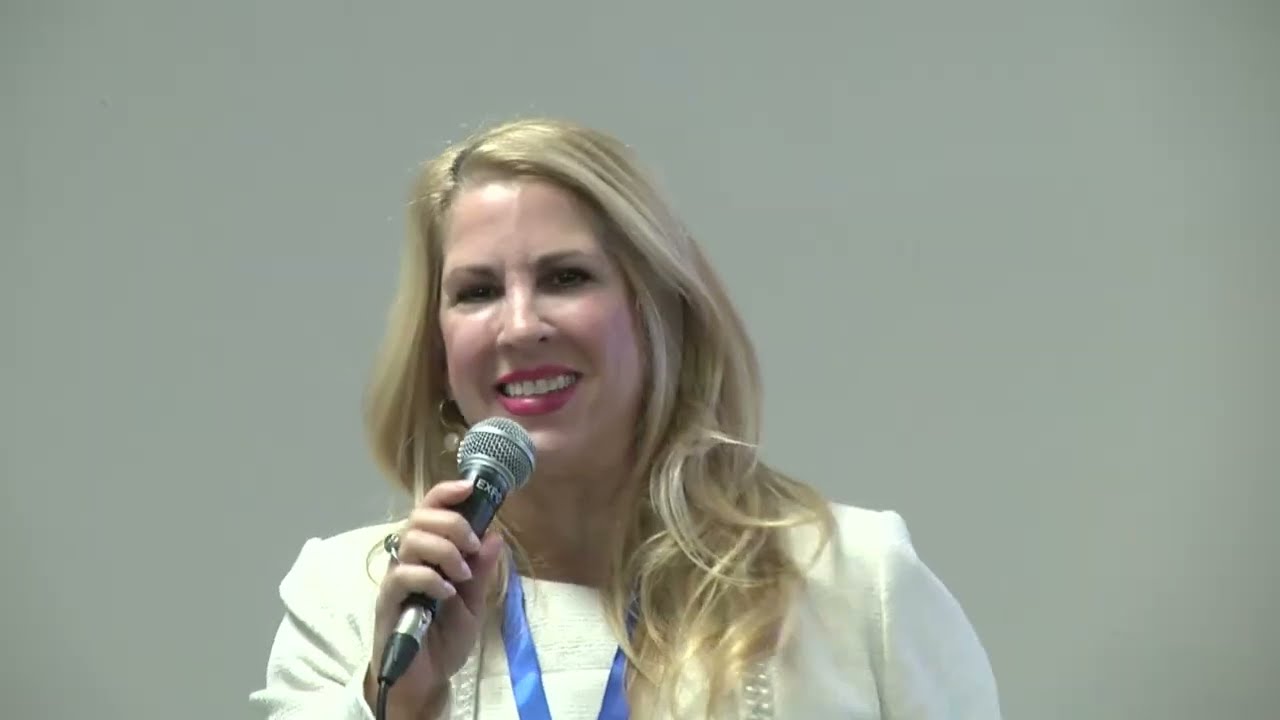
In the wake of the devastating October 7th attacks and the ongoing "Iron Swords" War, Israel is embarking on a monumental effort to understand and address the long-term societal and psychological impacts. The newly launched October 7th Registry, spearheaded by Professor Michal Grinstein-Weiss of the Myers-JDC-Brookdale Institute, represents a national commitment to healing and resilience.
The registry seeks to fill critical knowledge gaps regarding how the unprecedented trauma will affect generations, from children growing up in the shadow of conflict to young adults bearing the brunt of the war. "Today, we don't know what the consequences and ripples of this disaster will be, how it will affect us in five, ten, or twenty years from now," stated Professor Grinstein-Weiss. This initiative recognizes that national trauma demands a comprehensive national response, moving beyond immediate crisis management to long-term care.
Drawing inspiration from the 9/11 Registry in the United States, which has tracked over 71,000 individuals for more than 25 years, Israel's registry aims to provide a robust data infrastructure. The 9/11 model demonstrated how long-term data collection could inform policy, leading to improved treatments for affected individuals across various health domains, including respiratory illnesses, mental health, and cancer. Israeli government officials, after studying the 9/11 model, expressed a clear desire to implement a similar, tailored approach for their nation.
The October 7th Registry operates on two primary data collection arms. First, it will consolidate objective administrative data from various government ministries—including income, employment, evacuee records, education, and military reservist files—to create a unified picture of the entire Israeli population. Second, a comprehensive cohort study will follow 20,000 individuals across all age groups (18+) and at-risk subpopulations, gathering subjective data through annual interviews, with plans to continue data collection potentially until 2090. This unique combination of objective and subjective data, led by the Central Bureau of Statistics (CBS) in collaboration with experts like Professor Yuval Neria, will enable a nuanced understanding of the war's multifaceted impacts.
By mapping the effects across different "exposure circles"—from direct survivors and hostages to evacuees, reservists, and even the general population—the registry aims to identify changes requiring intervention, plan and adapt policies, optimize services, and develop models for future crises. Professor Grinstein-Weiss emphasized, "The clock in the square stopped, and all the hostages returned, but the trauma is still here. This is our commitment to continue to treat and to know the long-term effects." The registry is seen as a critical tool to ensure the right care reaches the right person at the right time, fostering national resilience for decades to come.
“Today, we don't know what the consequences and ripples of this disaster will be, how it will affect us in five, ten, or twenty years from now.”
- Michal Greenstein-Weiss, CEO of the Myers-JDC-Brookdale Institute for Applied Social Research