- Experts highlight the urgent need for both immediate and long-term mental health strategies.
- Challenges include fragmented care, under-recognized trauma, and funding for innovation.
- Technology and community-based solutions are key to supporting a broad population.
In the aftermath of the October 7th events, Israel faces an unprecedented mental health crisis, prompting a critical discussion among leaders and experts on how to accelerate national healing through a dual approach of immediate intervention and sustainable, long-term recovery.
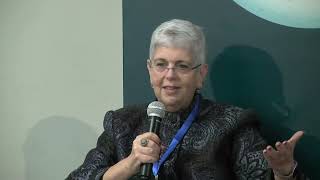
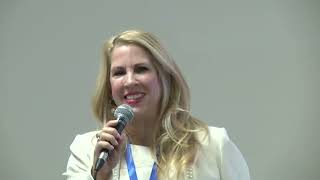
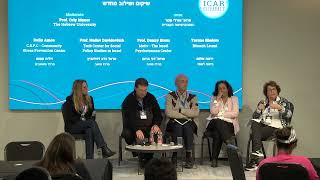
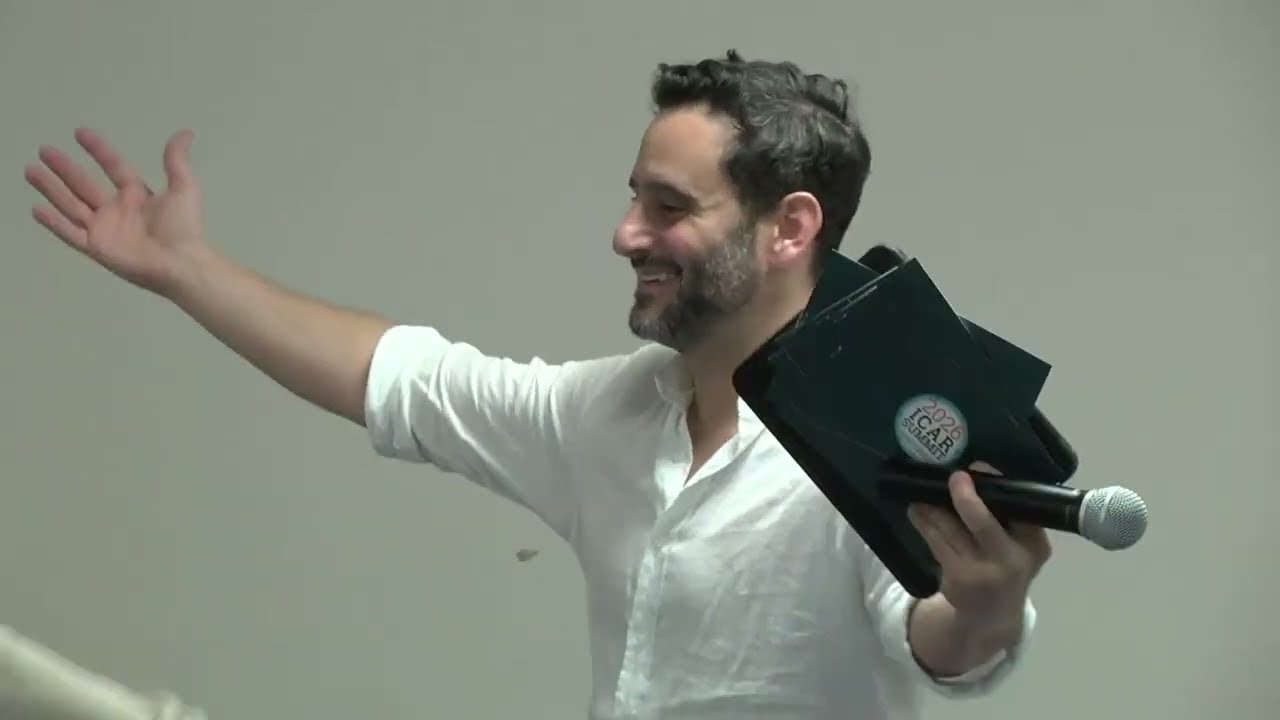
The recent conference session, "Looking Ahead: Two Tracks to Accelerate National Healing," convened a diverse panel including former IDF combatant Itzik Saidian, Ministry of Defense's Mili Schwartzman, Ministry of Health's Professor Ashi Shalmon, JDC's Hadas Minka-Brand, and Nexttech's Shomeret Schwartz. The discussion opened with a poignant reflection on the immediate aftermath of October 7th, emphasizing that mental health support began even as the trauma-inducing events were still unfolding. Itzik Saidian, a prominent mental health advocate, underscored the invisible and varied nature of post-trauma, arguing that the current system's "black or white" recognition model leaves a vast population needing support unaddressed. He advocated for a broader understanding of mental injury, beyond official diagnoses, to include anyone "carrying a mental wound."
A significant challenge identified was the fragmentation of care. Professor Shalmon highlighted the risks of uncoordinated treatments, where individuals might receive conflicting advice or where limited resources are inefficiently distributed. Mili Schwartzman from the Ministry of Defense echoed this, stressing the importance of standardizing initial patient inquiries and educating individuals on why certain questions are asked, fostering deeper trust and transparency. The panel also explored the role of technology. Shomeret Schwartz presented a futuristic vision where AI and wearable tech could monitor well-being between therapy sessions, providing crucial support and early warnings. However, Saidian offered a powerful counterpoint, emphasizing that for deep emotional processing, "you need a heart next to you," suggesting that while technology can support, it cannot fully replace human connection.
Hadas Minka-Brand from the JDC articulated a vision for national infrastructure that optimizes the meeting points between public, social, and business sectors. She introduced the "80/20 rule," suggesting that while 10-15% of the population requires intensive clinical intervention, the vast majority (80%) can benefit from self-help and group-based solutions, often facilitated by technology or community initiatives. This tiered approach aims to free up clinical resources for those most in need. Saidian further elaborated on three key tools for healing: creating safe spaces for open dialogue, access to diverse alternative therapies, and fostering a sense of purpose and mission. The session concluded with a powerful call for increased funding for mental health initiatives and innovation, acknowledging that while progress is being made, acceleration is vital to meet the scale of the national challenge.
“I truly believe that from every difficulty, one can grow; from every pain, one can rise. And I believe that if the system, if the state, would allocate a slightly larger budget to this whole story, we could truly grow and turn this crisis into growth, God willing.”