- Addiction rates soar: 1 in 4 Israelis affected by harmful behaviors.
- Youth mental health crisis deepens with 30% rise in anxiety and 13% in eating disorders.
- Experts call for radical inter-ministerial collaboration and investment in community-level resilience.
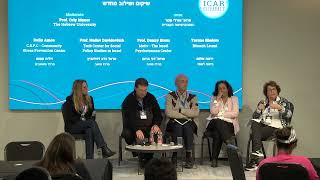
As Israel navigates a prolonged period of chronic stress and conflict, a panel of leading mental health and welfare experts reveals a complex and challenging recovery landscape. While some show remarkable resilience, alarming statistics on addiction and youth mental health underscore the urgent need for a unified, holistic national strategy.
The current state of mental health in Israel is dire, marked by a population under chronic stress. Inbal Dor Karbal from the Israeli Center for Addictions (ICA) highlighted a disturbing trend: one in four Israelis now report harmful substance use or addictive behaviors, a significant increase from one in seven pre-conflict. This surge is particularly pronounced among young people and reservists. Vered Lindman of the Council for Child Welfare presented equally alarming figures for youth, noting a 30% rise in anxiety and stress, and over 13% increase in eating disorders within the first year of conflict alone. Despite these challenges, Dr. Gilad Bodenheimer from the Ministry of Health emphasized the importance of recognizing the public's inherent resilience, cautioning against over-pathologizing normal stress responses in a wartime environment.
The panel identified significant systemic hurdles to effective recovery. Dr. Sagit Arbel-Alon from the Ministry of Welfare pointed out the lack of a clear, unified service map, leaving individuals confused about where to seek help. She stressed that vulnerable populations – including those with disabilities, the elderly, at-risk youth, and those with pre-existing mental health conditions – are disproportionately affected. Dr. Bodenheimer further highlighted the struggles of evacuees and the Arab community, who face compounded trauma from both conflict and severe street violence. A major consensus emerged regarding the fragmented nature of government services, with ministries operating in silos, hindering resource pooling and seamless care. Professor Amir Kriboy of Geha Mental Health Center also underscored a severe workforce crisis in mental health professions, with a significant shortage of psychiatrists and psychologists.
To address these multifaceted challenges, experts proposed several critical solutions. There was a strong call for radical inter-ministerial collaboration, moving beyond mere cooperation to shared responsibility, with a focus on the individual's journey across all care continuums. Equipping “first responders” – from teachers and youth leaders to family doctors – with trauma-informed training and initial intervention tools was deemed essential. The integration of technology in mental health was suggested as a force multiplier to manage the high volume of cases and improve triage. Furthermore, substantial budget increases for mental health, particularly in preventative and community-based care, were advocated. Lindman specifically proposed 300 million NIS over five years for educational psychologists, while Arbel-Alon stressed the need to shift focus from just “mental health” to broader “psychological well-being” or “wellness.”
The overarching message was a call for visionary leadership to challenge existing structures and prioritize a holistic, citizen-centric approach. By breaking down bureaucratic silos, pooling resources, and empowering communities, Israel can move from a reactive crisis response to building long-term resilience and fostering a truly supportive environment for its citizens. The goal is to ensure that every individual, from children to adults, receives continuous, integrated care, transforming the current fragmented system into one of shared responsibility and hope.
“The real leap forward will be when we can pool resources, when we can look at the individual from their perspective across the entire continuum, and they are not thrown from system to system.”
- Avichai Haim, Panel Moderator