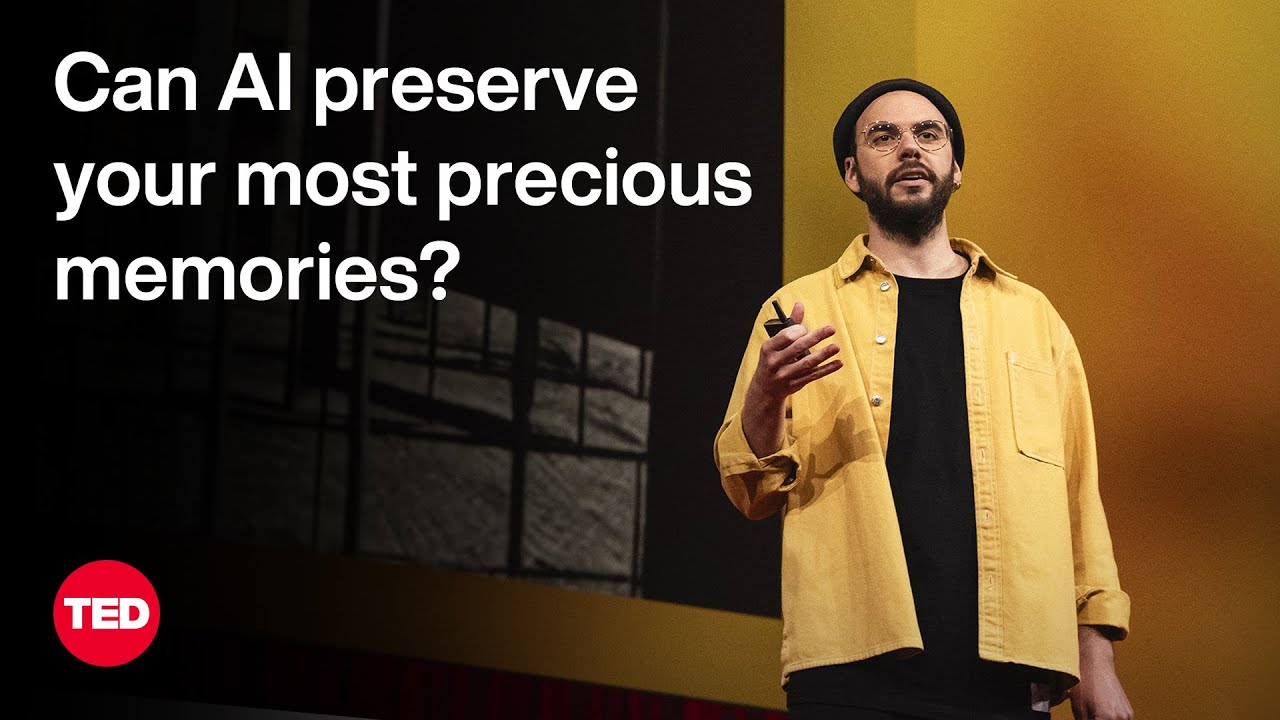
- Generative AI transforms oral descriptions into visual memories, even for events never documented.
- Pilot studies show AI-generated images enhance reminiscence therapy for Alzheimer's patients.
- A new public office in Barcelona will allow citizens to reconstruct personal and community histories.
In a groundbreaking fusion of technology and human emotion, generative artificial intelligence is being harnessed to reconstruct lost and undocumented memories, offering profound implications for individuals suffering from cognitive decline and those displaced by conflict or disaster.
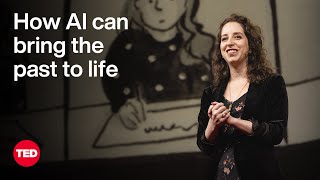
Pau Aleikum Garcia, a researcher with Domestic Data Streamers, unveiled the 'Synthetic Memories' project, which uses AI to create visual representations from verbal accounts. The initiative began with Carmen, a 90-year-old woman whose earliest memory of seeing her imprisoned father through a balcony window was brought to life. Crucially, the team discovered that blurry, undefined AI-generated images resonated more deeply than hyper-realistic ones, tapping into emotional truth rather than mere factual accuracy.
The project extends its reach to critical social issues, notably memory loss associated with aging and diseases like Alzheimer's. Partnering with social workers, Synthetic Memories integrated AI into reminiscence therapy, a technique using old photographs and music to trigger memories. A pilot experiment with 12 Alzheimer's patients demonstrated increased engagement and potential for early cognitive decay detection, offering a 'small but very significant relief' to patients and caregivers alike. This promising outcome has led to partnerships with the H Well Network in Canada and researchers from the Universities of Toronto and British Columbia to develop ethical frameworks and expand accessibility.
Beyond dementia, Synthetic Memories addresses the plight of those who lose personal histories due to sudden displacement from war, persecution, or natural disasters. The project aims to recover lost cultural heritage and reconstruct pasts that have been hidden or destroyed. Barcelona is set to host the first public office for visual memory reconstruction, allowing citizens to collectively rebuild their pasts and understand shared subjectivities.
The emotional power of this technology was vividly illustrated by a story of a father with dementia who, after years of estrangement, reconciled with his daughter through an AI-generated 'remembrance' image – a dream-like depiction of them riding horses together, a memory that never factually occurred but conveyed profound love. As Garcia eloquently states, "If there is an act of love, that is to remember," underscoring AI's potential not just to recall, but to heal and connect.
“If there is an act of love, that is to remember.”
- Pau Aleikum Garcia, Technologist