- Woebot offers 24/7 support for critical moments, like 2 AM panic attacks, where human therapists are unavailable.
- Designed for user independence and growth, not prolonged engagement or addiction.
- Strict ethical "red lines" prevent diagnosis, data selling, and inappropriate interactions.
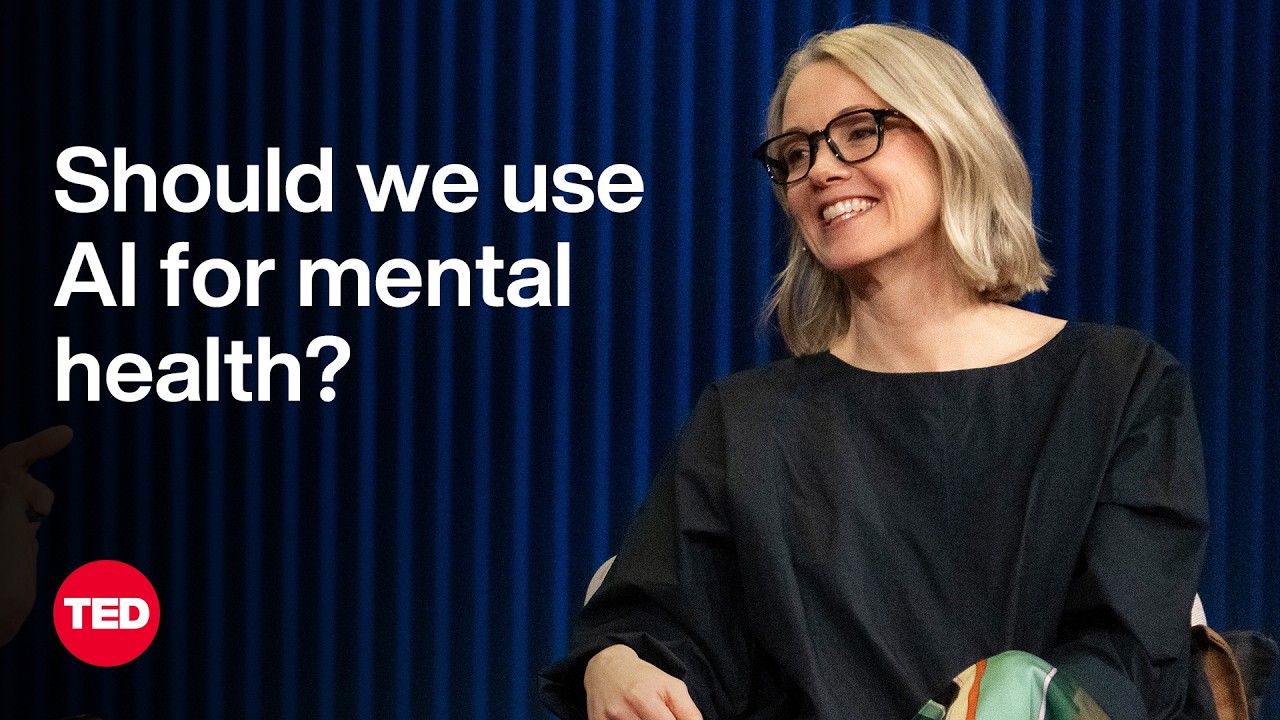
In a world grappling with escalating mental health challenges, Alison Darcy, creator of the AI chatbot Woebot, presents a compelling vision for technology that augments, rather than replaces, human care. Her innovative platform addresses critical gaps in traditional psychotherapy, offering immediate, accessible support tailored for real-life crises.
Depression was already the leading cause of disability worldwide in 2017, and the situation has only worsened, with a recent WHO study revealing 20% of high schoolers have seriously considered suicide," states Alison Darcy, highlighting the urgent need for new solutions. Woebot was born from the realization that even the best human therapists cannot be present during a 2 AM panic attack or other acute moments of distress. Designed for brief, focused interactions averaging six and a half minutes, Woebot operates predominantly outside traditional clinic hours, providing a crucial lifeline when people find it hardest to reach out. Its rules-based architecture, meticulously scripted by clinical psychologists, ensures safety and reliability, preventing the AI from generating unvetted responses.
A surprising advantage of AI, as an early 2015 study showed, is that people are often more willing to disclose sensitive or stigmatized information to an AI than to a human, due to the perceived lack of judgment. However, Darcy is acutely aware of the ethical pitfalls. Woebot is explicitly designed for "individuation and independence," mirroring a parent's goal for their child's growth, rather than fostering dependence. This means actively encouraging users to apply learned skills in their real lives and even pushing them towards in-person interactions, with accountability features proving to be a highly valued aspect of the technology. The platform adheres to strict "red lines," prohibiting advice-giving, diagnosis, data selling to advertisers, or any form of inappropriate interaction like flirting, ensuring the purpose of the conversation remains clear and therapeutic.
Darcy emphasizes that AI is not a replacement for human therapists but a vital additional tool to expand the aperture of mental health care. "Most people aren't getting in front of a therapist. And even if they are, they're not there beside you as you live your life," she explains. Instead of merely replicating human therapeutic models, the focus is on leveraging AI's unique capabilities to ask the right questions and help individuals develop their own internal resources, much like a tennis ball machine helps a player practice their swing. This intentional design aims to put technology in service of human betterment, addressing concerns about the "perfection problem" of AI and its potential to inadvertently devalue human imperfection.
The future of mental health support, according to Darcy, lies in thoughtfully developed AI tools that complement human expertise. While acknowledging the potential for damage in any powerful technology, she stresses the opportunity to build AI with intentionality, monitoring its impact, and ensuring it remains a force for good. Ultimately, Woebot represents a paradigm shift, offering a scalable, accessible, and ethically grounded approach to mental well-being that meets people precisely when and where they need it most.
“It's never about replacing the great human therapists that we have, but most people aren't getting in front of a therapist. And even if they are, they're not there beside you as you live your life.”
- Alison Darcy, Psychologist