- Chip-to-cloud platform for AI agents.
- Designed to reduce digital noise and overwhelm.
- Intuitive, adaptive, and empowering user interaction.
- Lights the path, doesn't decide for you.
The digital world often feels overwhelming, a constant barrage of information and demands. But what if technology could simplify, understand, and proactively assist without taking over? This is the promise of Project Solara, a groundbreaking initiative revealed in a recent conference session, aiming to usher in an "agent-first" era of computing.
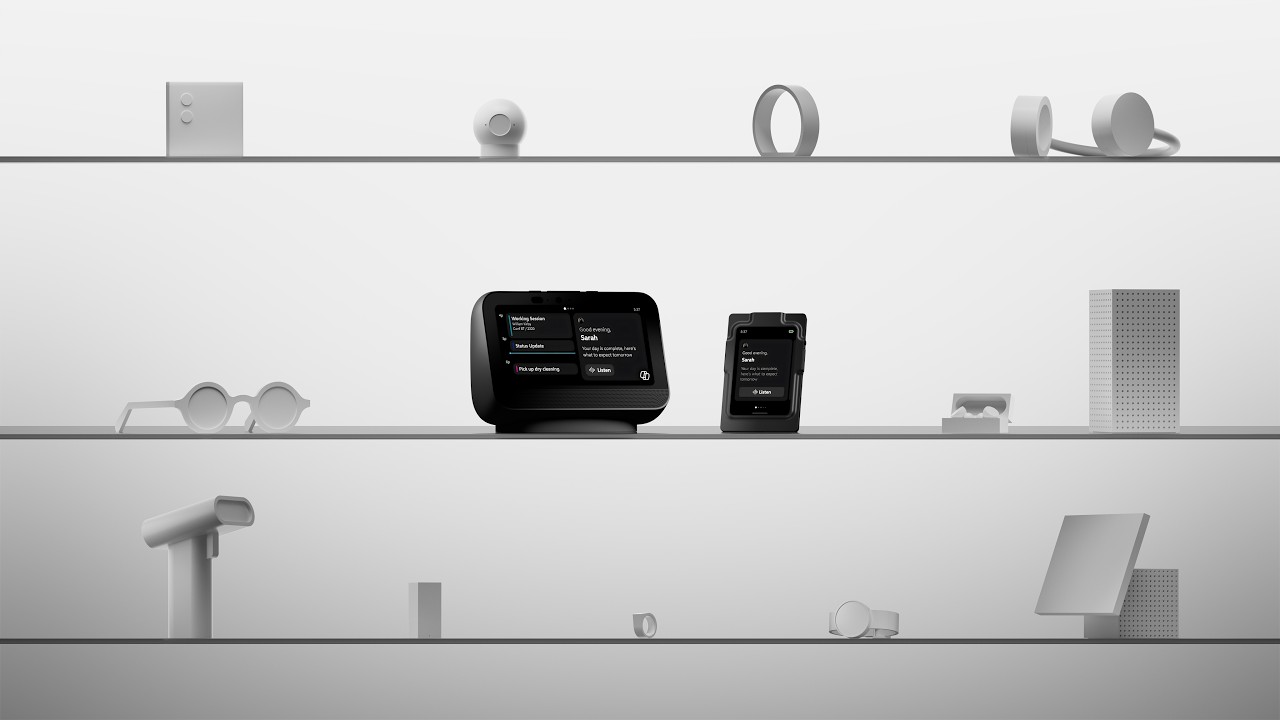
Project Solara introduces a revolutionary chip-to-cloud platform, meticulously engineered for an agent-first world. This innovative approach seeks to address the pervasive "noise" and "weight of it all" that users experience in their daily digital lives. By integrating advanced AI agents directly into devices and cloud infrastructure, Solara promises to filter distractions and bring forward only what truly matters, fundamentally changing how we interact with technology.
The core of Project Solara lies in its intuitive and adaptive capabilities. The system is designed to be "ready when you are," understanding natural language and anticipating user needs. Whether it's sitting with you, going with you, or seeing what you want it to see, the agent seamlessly integrates into your workflow. It's built to ensure that "everything else falls away," allowing for a focused and efficient digital experience that keeps going as long as you need it.
Crucially, Project Solara emphasizes empowerment over automation. The agent doesn't "decide for you"; instead, it "just lights the path" and "tries to clear the way when you need it to." This philosophy underpins a whole ecosystem built to remove obstacles, ensuring that "all that's left is where you need to go." Solara aims to provide a ubiquitous and relevant assistant, ready "wherever you are, whenever it matters," transforming personal computing into a truly supportive and unintrusive partnership.
“A whole ecosystem built to clear the way, so all that's left is where you need to go.”