- DEI faces political headwinds, forcing event leaders to innovate.
- Local businesses and diverse suppliers are key to authentic event experiences.
- New programs are creating career paths for underserved communities.
- Diversifying leadership boards is crucial for future talent attraction.
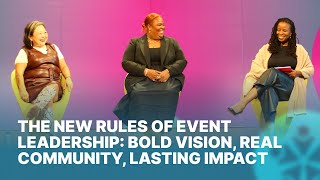
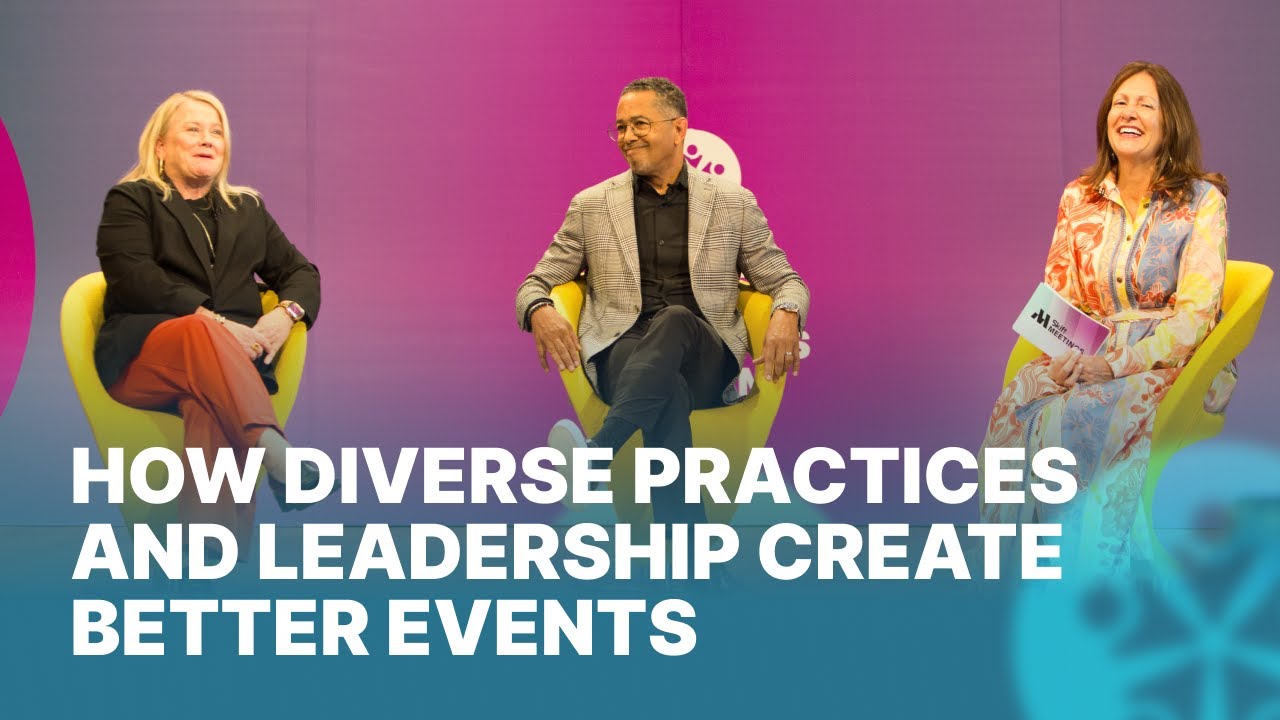
In an era where Diversity, Equity, and Inclusion (DEI) has become a politicized battleground, event industry leaders are confronting unprecedented challenges. Far from being a fleeting trend, DEI is being championed as the essential framework for building resilient communities, fostering economic growth, and designing truly impactful events. This session explores how pioneering leaders are navigating these complexities, from empowering local economies to cultivating the next generation of diverse talent.
The conversation began by acknowledging the intense scrutiny and politicization of DEI. Al emphasized that while the term gained prominence around 2020, the underlying struggle for mutual care and understanding among diverse groups has always been a core American challenge. He argued that politicians have weaponized the word, creating fear and distracting from the fundamental work of building cohesive communities. Martha echoed this concern, expressing horror at destination marketing organizations (DMOs) scrubbing DEI and LGBTQ+ content from their websites due to funding threats in certain states. This creates a difficult balancing act for leaders who must choose between financial stability and standing on their principles.
However, both speakers presented powerful solutions. Al highlighted the importance of integrating small, minority-owned, and women-owned businesses into the tourism narrative. In Baltimore, he brought local creatives and entrepreneurs to trade shows, allowing them to tell the city's authentic story and receive compensation, thus enriching the event experience and supporting local economies. Martha detailed Boston's innovative approach, developing a CRM software with Nectar IQ to connect meeting planners directly with diverse suppliers—from transportation to florists. This program not only expands opportunities for businesses traditionally excluded from large-scale contracts but also provides the necessary tools and support for them to succeed, fostering generational wealth within the community.
Addressing the future of leadership, the speakers discussed strategies for creating career paths for individuals from underserved communities. Al's initiative to establish a scholarship fund through their foundation, specifically for students at Historically Black Colleges and Universities (HBCUs) pursuing tourism careers, was lauded. This program brings students to annual conventions, offering firsthand exposure and financial support, thereby nurturing a diverse pipeline of future event planners and destination marketers. The discussion also tackled the persistent lack of diversity in senior leadership roles, particularly the prevalence of white men in DMO CEO positions. Martha attributed this partly to mobility challenges for working mothers, while Al pointed to the composition of organizational boards, which often comprise homogeneous groups. They asserted that true progress requires diversifying these decision-making bodies to attract the best talent and ensure a broader range of perspectives.
Ultimately, the session underscored a profound message: the imperative to lead with love and rebuild broken communities. Drawing on Dr. Vivek Murthy's insights, Al stressed that a lack of connection and empathy has fractured society, leading to fear and division. He challenged attendees to move beyond political polarization and focus on personal growth and the loving acceptance of those who hold different perspectives, look different, or come from different backgrounds. This ethos, he argued, is not just about DEI but about addressing a fundamental human problem—a lack of love for one another—and taking collective responsibility to fix it, rather than leaving it to politicians.
“Talent goes to where diversity is. Women, people who look like me, people from the gay community, Hispanic Latinos, they want diversity. the Jenzers, they don't want one-sided.”
- Al Hutchinson, Former President & CEO of Visit Baltimore