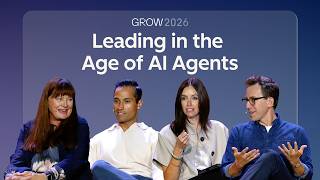
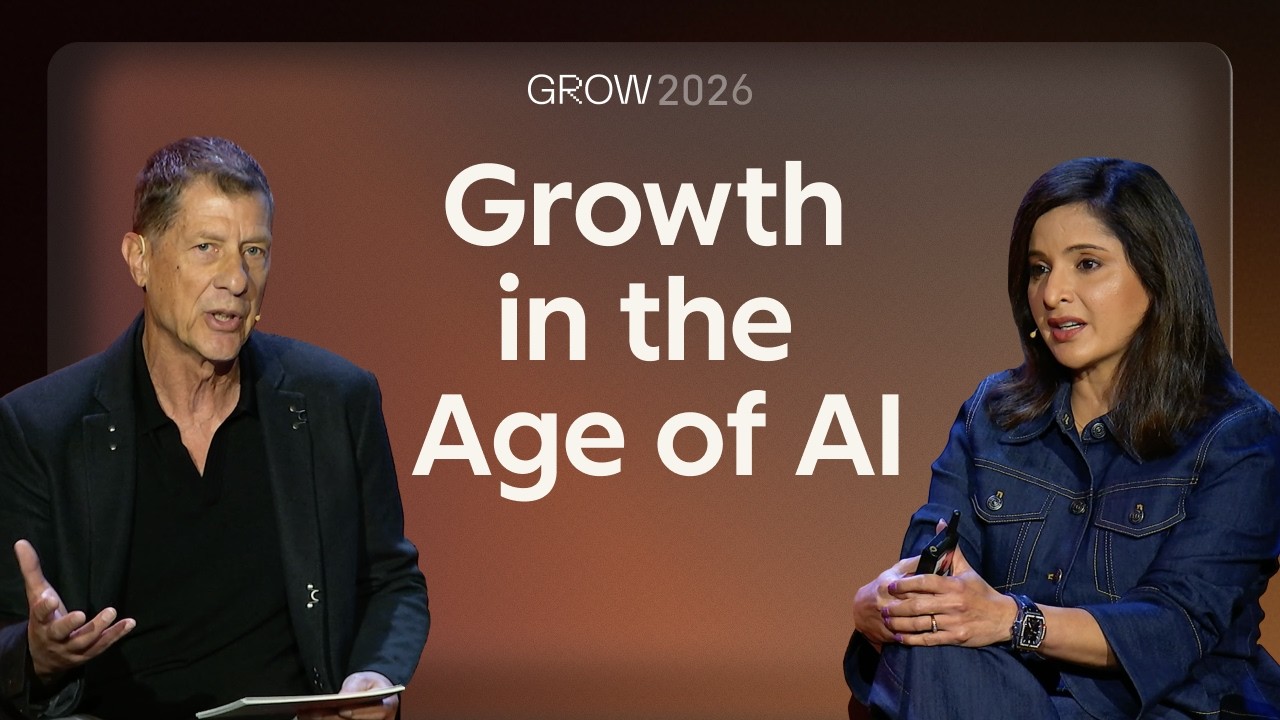
- AI is accelerating platform shifts faster than ever before.
- Organizational transformation requires moving beyond individual AI productivity.
- Sales and customer success roles are blurring, demanding integrated strategies.
- An 'explorer mindset' of curiosity and experimentation is crucial for leadership.
The advent of generative AI, particularly since late 2022, marks an unprecedented platform shift, fundamentally reshaping the business landscape. This era, characterized by rapid change and abundant information, demands a new approach to growth. Leaders must move beyond individual AI tools to foster institutional productivity and rethink organizational structures to truly harness AI's transformative power.
The current AI wave is not just another technological advancement; it's a platform shift occurring at an accelerated pace. Unlike previous cycles that unfolded over 8-10 years, AI's impact is being felt within 3-5 years, making navigation feel chaotic. The proliferation of opinions and information across various platforms further amplifies this sense of disorder. However, this rapid evolution also presents immense opportunities for those willing to adapt.
To unlock growth, organizations must shift from individual AI productivity to institutional AI productivity. This means integrating AI into core business processes, such as marketing, sales, and customer support, with a deep understanding of organizational context. Successful early adopters, like Australian companies Hungry Hungry, Cannibuild, and Builderness, are leveraging AI to reimagine marketing playbooks, resolve customer tickets, and enhance go-to-market strategies, demonstrating tangible productivity gains and scaling their operations.
The AI era is also blurring traditional go-to-market organizational lines, particularly between sales and customer success. The expectation for immediate value from AI use cases necessitates a continuous, seamless process of customer engagement rather than distinct handoffs. This requires leaders to foster cross-functional collaboration and explicitly define success metrics from the top down. Hiring for curiosity, an experimentation mindset, and a willingness to learn is paramount, as the path forward is often uncharted.
Finally, the 'build versus buy' debate takes on new dimensions with AI. While coding has become easier, the true challenge lies in maintaining, integrating, and scaling AI solutions within complex organizational ecosystems. The focus should be on driving 'AI outcomes' rather than just 'AI output.' This means leveraging AI with rich historical data and brand context to create personalized, effective communications that genuinely drive growth, rather than generic content. Embracing an explorer mindset, where mistakes are seen as part of the learning journey, is essential for organizational agility and achieving meaningful results.
“Mistakes are the journey. And, uh, you know, one of the things that we've encouraged our teams to do from a mindset perspective is really, uh, the experimentation mindset and start with a hypothesis.”
- Yamini Rangan, CEO, HubSpot