- AI adoption in ANZ is accelerating at twice the expected rate.
- Australia favors a principles-based approach to AI regulation.
- Financial services demand explainable and auditable AI systems.
- Data architecture is the hidden tax of AI transformation.
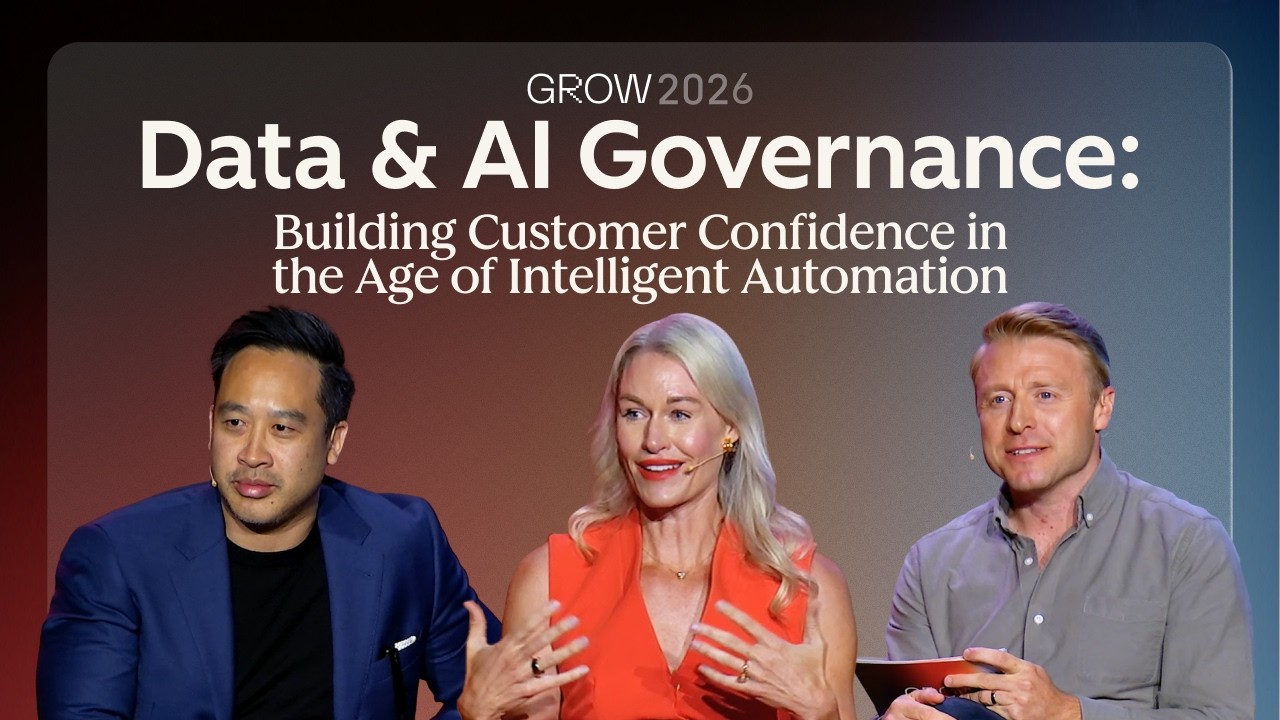
The rapid acceleration of AI adoption across Australia and New Zealand presents a dual challenge for businesses: how to innovate at speed while maintaining — and even building — customer confidence. This tension, often termed the "trust gap," is a critical barrier to scaling intelligent automation responsibly. Leaders must navigate a landscape of evolving regulations, data privacy concerns, and the inherent complexities of AI to ensure that technological advancement serves, rather than erodes, the foundational trust with their customers.
The path to responsible AI adoption is paved with transparent data practices and proactive governance. For companies like HubSpot, this means clearly articulating how customer data is used for personalized training outcomes and aggregated trend analysis, while strictly prohibiting third-party models from training on customer data. Offering customers the ability to opt-out further reinforces control and transparency. In highly regulated sectors such as financial services, the stakes are even higher. Mortgage Choice, for instance, emphasizes that AI hallucinations are not an excuse for inaccuracy; accountability for compliant advice rests firmly with human brokers, necessitating auditable systems and rigorous due diligence for all AI tools.
A crucial insight for businesses of all sizes is the importance of early stakeholder collaboration. Rather than a sequential "waterfall" approach where legal or security teams are engaged at the final stages, integrating these functions from the outset transforms them into a "pit crew" for innovation. This agile, cross-functional team, anchored in the business problem and desired value, can design processes that allow for rapid experimentation while mitigating risks. This collaborative mindset ensures that legal and security considerations become enablers of speed and precision, rather than bottlenecks.
For small and medium-sized businesses without dedicated in-house legal teams, a simplified framework of five key questions can guide vendor selection: Do they use my data to train AI? Is my data secure (look for ISO 2701, SOC 2 certifications)? Who can access my data and where is it stored? Will they help me comply with laws like GDPR? And what is their process for data deletion? Furthermore, opting for enterprise-tier licenses often provides superior data protections, as lower tiers may involve "paying" with data rights that compromise customer trust.
Ultimately, AI is forcing companies to confront their underlying data architecture. The promise of AI can only be unlocked if the foundational data is clean, structured, and well-governed. This "hidden tax" of AI transformation, while often grueling, is non-negotiable. Investing in robust data architecture and continuous governance ensures that as AI tools evolve, they operate within defined guardrails, preventing drift into "weird directions" and maintaining the hard-earned brand trust built over years. The businesses that prioritize building and maintaining trust will be the true winners in this dynamic AI landscape.
“Technology moves really, really fast, but trust compounds really slowly. So the businesses that will win will not be the ones that are using the latest and greatest technology. It'll be the ones that are actually maintaining and building the trust from their customers over that time.”
- Sam Firman, Country Leader, ANZ, HubSpot