
- Six-year planning cycles for global spectacles.
- Unprecedented security measures for stadium and public areas.
- Navigating complex political landscapes and international relations.
- Thousands of staff and volunteers orchestrate seamless experiences.
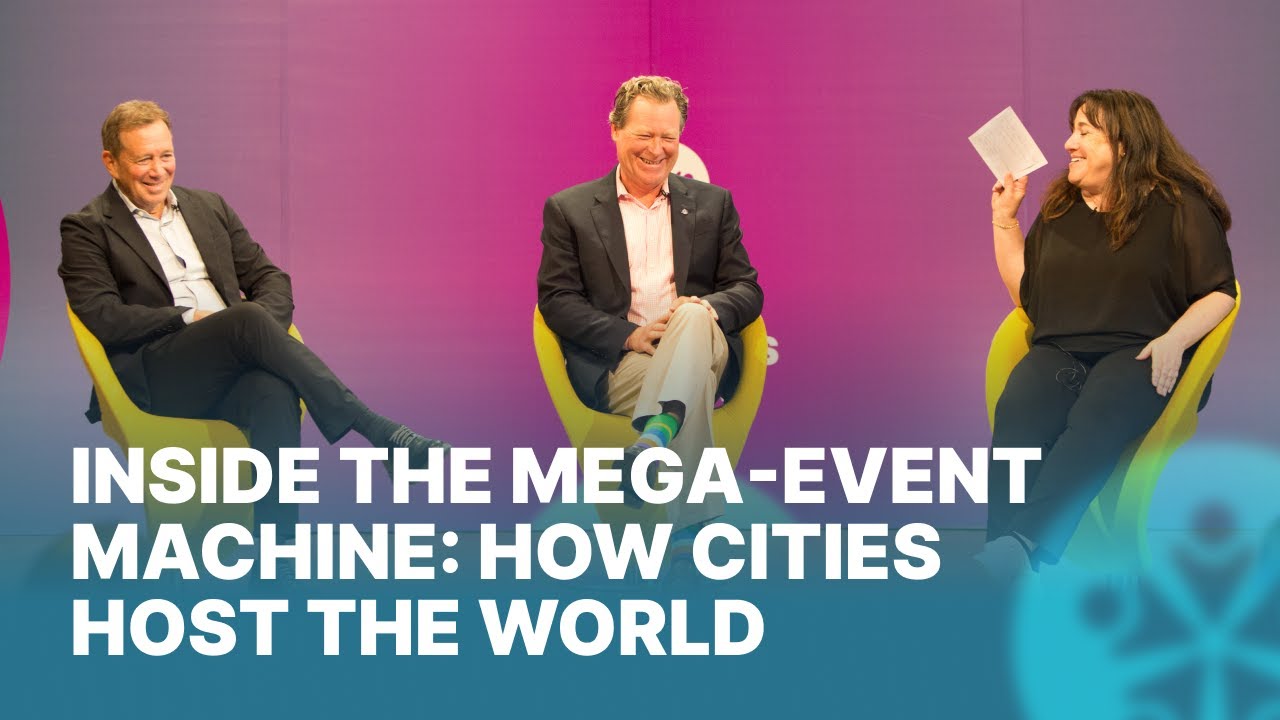
The world's gaze will soon turn to New York and New Jersey as they prepare to host two monumental events: the FIFA World Cup 2026 and Sail4th250, celebrating America's 250th anniversary. This session delved into the colossal undertaking of planning, securing, and executing these mega-events, revealing the intricate dance of logistics, politics, and community engagement required to pull off a global spectacle.
The FIFA World Cup 2026, described as the 'biggest event' ever to hit the region, is a 40-day marathon culminating in the final match at MetLife Stadium. Its planning began in the heart of the 2020 pandemic, a six-year journey that leverages New York City's seasoned expertise in hosting large-scale events. The organizing committee focuses on four critical pillars: security, transportation, legacy, and fan engagement, all while prioritizing local involvement. Similarly, Sail4th250, a time-honored tradition occurring once in a generation, involves an international fleet converging on New York in a gesture of goodwill, requiring the recreation of the event's framework from scratch, coordinating with foreign naval attachés and numerous government agencies.
Security emerges as the paramount concern for both events. For the World Cup, the stadium will be arguably the most secure venue globally, but significant attention is also directed at 'soft spots' – the open fan engagement areas across the five boroughs and New Jersey. This involves extensive collaboration between local, regional, and federal law enforcement, including the NYPD, State of New Jersey, Secret Service, FBI, and Homeland Security. Sail4th250 introduces unique waterway security challenges, with an anticipated 50 Greyhold Navy ships in the harbor and a projected 30,000 private boaters. This necessitates a massive information campaign to ensure public adherence to new rules of engagement and force protection statuses, which have evolved significantly since 9/11.
Beyond logistics and security, the political dimension of these events is undeniable. While Sail4th250 benefits from overwhelmingly positive international support, celebrating America's 250th as a goodwill event, the World Cup faces a 'highly political' environment at all levels. Organizers emphasize controlling what they can: delivering a safe, spectacular experience for visitors. This includes navigating complex international visitor and visa issues, with Washington establishing a task force to accelerate visa processing. Both events rely on vast teams, with the FIFA World Cup host committee swelling to 200 staff and 13,000 volunteers, and Sail4th250 anticipating 150 staff and 2,000 volunteers, underscoring the immense human capital required to bring these visions to life.
The overarching lesson from planning these mega-events is the importance of anticipating challenges and managing the 'noise' from unexpected sources. As one speaker aptly put it, the 'ship takes off' at some point, and the groundwork laid over years becomes the foundation for navigating unforeseen issues. The goal remains to bring people together, transcending political and global difficulties through shared celebration and positive experiences.
“We can only control what we can control. And what we mean by that is if you want to come to New York, New Jersey, we promise you we will do our best to keep you safe to get you to where you want to go to have, if you want to go to a fan engagement event, it will be spectacular and that you all will do what you normally do when the world comes to New York, New Jersey.”
- Bruce Revman, Co-Host City Manager for the FIFA World Cup 2026 New York New Jersey Host Committee