- Geopolitical tensions, inflation, and visa delays are reshaping corporate event strategies.
- Leaders prioritize team well-being and shift to intentional, localized planning.
- Micro-events gain traction as companies seek to mitigate risk and meet attendee preferences.
- AI emerges as a tool for rapid risk assessment, but human oversight remains critical.
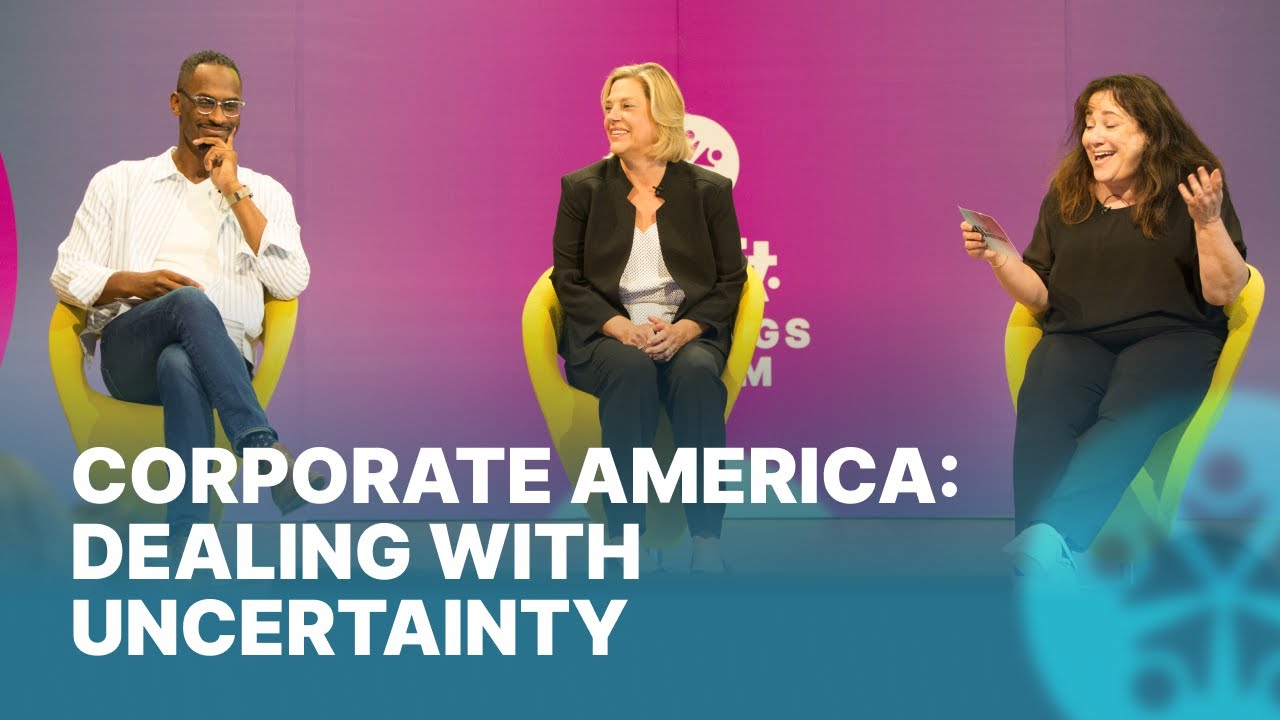
In an era defined by global volatility, corporate event planners are grappling with unprecedented challenges. From sudden civil unrest to escalating tariffs and complex visa restrictions, the landscape for large-scale gatherings is more unpredictable than ever. This session brought together leaders from Forrester and Prudential to share their strategies for navigating this new reality, emphasizing resilience, adaptability, and a renewed focus on both financial prudence and team well-being.
The discussion opened with a stark reminder of the current sentiment in the industry: 'stressed,' 'worried,' and 'concerned' dominated a live word cloud. Barbara, from Prudential, recounted a harrowing experience where an incentive meeting had to be canceled just three days prior due to international SOS warnings and news of civil unrest. The incident highlighted the challenge of distinguishing credible threats from 'fake news' and the inherent risk aversion of an insurance company, leading to a costly cancellation.
Tavar, from Forrester, echoed the sentiment of increased complexity, noting that while meeting volume hasn't decreased, destination choices have become significantly more difficult. Forrester has pivoted some major events, like their CX Summit, from London to Amsterdam to facilitate easier intra-European travel. Crucially, Tavar emphasized the often-overlooked impact of uncertainty on event teams, stressing the need to protect their mindshare and mitigate stress. The constant need for 'Plan B' drains resources, leading to a call for more intentional planning to turn contingency plans into primary strategies.
Economically, rising costs due to inflation and tariffs are hitting budgets hard. Barbara detailed how her team is renegotiating contracts aggressively and even rethinking traditional event amenities like all-day coffee and elaborate breaks to save money. Anes Cana from Empy shared a compelling example of how tariffs forced them to source booth assets locally in Canada, bypassing potential retaliatory tariffs and shipping delays from the US. This strategy, while requiring more preparation time, proved essential for cost control and logistical certainty.
The conversation also delved into the growing challenge of attendance, particularly for international events. Visa appointments, especially for inbound US events from regions like the Middle East, are now delayed by over a year, rendering many international gatherings impossible. This has further pushed companies toward US-centric or regional events. The session concluded with a look at emerging solutions, with many attendees confirming their use of AI for initial risk assessment of new locations, though with a critical caveat: always double-check AI-generated information for accuracy.
“You just can't predict this environment. It's it's it's volatile. At any given day, something could happen.”
- Barbara Scofidio, Editor at Skift Meetings