
- Mental health tech faces significant barriers, from administrative burdens to cultural stigmas.
- While AI promises unprecedented scale and precision, ethical concerns and the need for human connection remain paramount.
- Experts advocate for responsible innovation, integrated platforms, and a shift in societal priorities to address the global mental health crisis.
As technology rapidly reshapes every sector, its impact on mental health and trauma healing presents a complex paradox. While digital tools promise unprecedented global access and personalized care, they also introduce new challenges, from data privacy to the very nature of human connection in therapy.
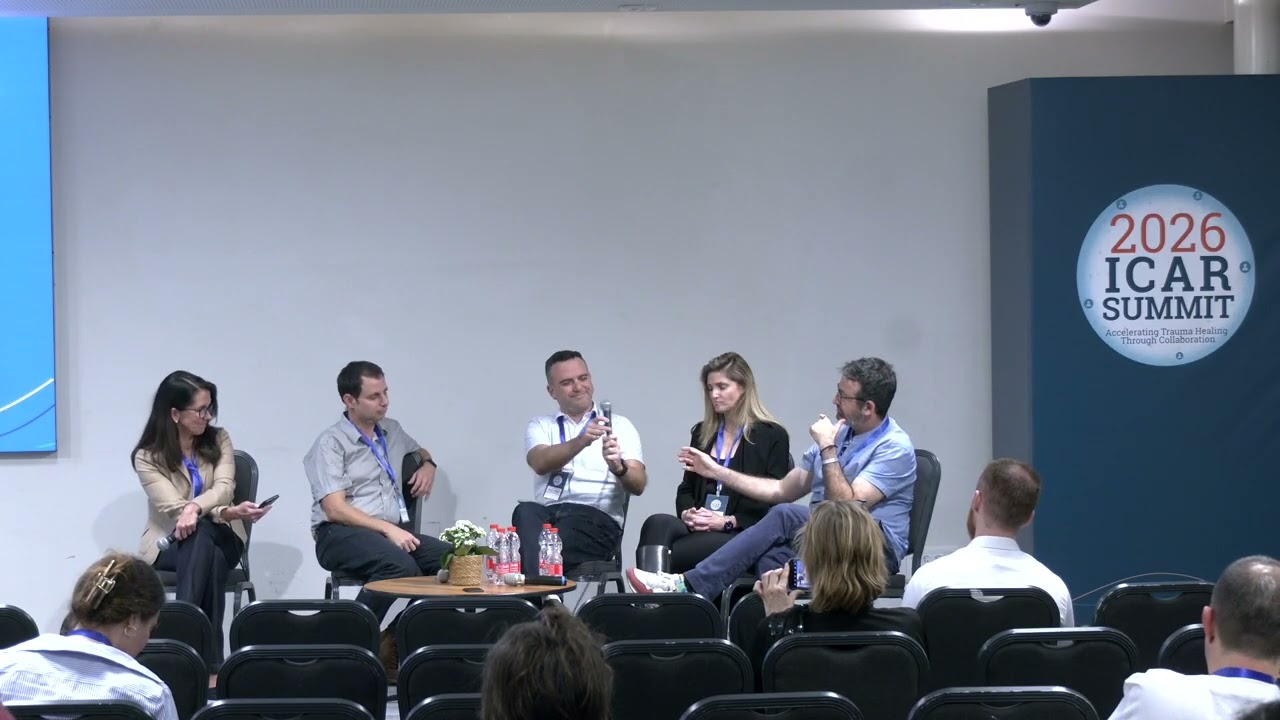
A recent panel discussion, "Technology and AI – Harnessing digital tools for prevention, personalization, and access," brought together leading experts to dissect this evolving landscape. Esther Howard, a researcher in mental health, highlighted the irony that while technology offers the ability to scale mental health support globally, it has also inadvertently caused new problems, such as the overwhelming bombardment of negative news via social media. This dual nature necessitates a careful, aligned approach to ensure technology serves as a solution, not a further detriment.
Key barriers to adoption were extensively discussed. Isizhar Lawer, Director of Innovation at Lummit Health Services, pointed to the administrative burden on clinicians, noting that many current tech solutions add to their workload rather than integrating seamlessly. He also emphasized the lack of consolidated solutions, forcing health organizations to grapple with numerous siloed tools. Aal Gura, a tech entrepreneur and investor, added a crucial cultural dimension, describing a "hierarchy of suffering" where individuals may not feel worthy of clinical care, leading to silent suffering. He also highlighted the challenge of attracting investment in mental health tech due to a lack of proven success stories compared to sectors like cybersecurity.
Despite these hurdles, the panel identified significant opportunities. Nanowski Dagan from the Israel National Digital Agency stressed the importance of treating mental health as the "new COVID," an urgent epidemic demanding immediate action. He advocated for leveraging technology to fight bureaucracy, creating unified case management systems that streamline patient journeys. The concept of "smart triage" emerged as a powerful tool, using AI to screen vast populations, identify specific needs, and assess risk levels, thereby guiding individuals to appropriate care pathways, from self-help to specialized therapy. This approach not only personalizes care but also protects clinicians by flagging high-risk cases.
The discussion inevitably turned to the role of AI. While acknowledging the potential for AI to enhance diagnostics and even simulate empathy, the experts cautioned against its wholesale replacement of human therapists. Gura shared a stark FDA statistic: despite over 1,200 AI-enabled medical devices being authorized, none are for mental health diagnosis or treatment. He also quoted Nolan Bushnell, saying, "I'm not afraid of artificial intelligence. I'm afraid of natural stupidity," underscoring the need for responsible human oversight. Ultimately, the panel concluded that the goal isn't perfection, but continuous improvement. The irreplaceable human spirit, the energy of connection, and the need for wise, rigorous, and responsible scaling of technology are paramount to truly improve the future of mental health.
“I'm not afraid of artificial intelligence. I'm afraid of natural stupidity.”
- Esther Howard