
- Over 350,000 reservists mobilized since October 7th, impacting 100,000 families.
- Ministry of Defense projects 100,000 disabled veterans by 2028, with 50% suffering mental injuries.
- Surveys reveal over 50% of reservists' wives faced job loss, and 21% of families considered divorce.
While the immediate intensity of the conflict may ebb and flow, the profound mental health crisis among Israel's reservists and their families is just beginning. A recent panel discussion illuminated the staggering long-term costs of prolonged service, revealing a societal challenge that demands urgent, comprehensive attention.
The October 7th attacks triggered an unprecedented mobilization, drawing over 350,000 reservists into prolonged service. This has created a ripple effect, impacting an estimated 100,000 families who now navigate a new reality. Betty Hilovitz, representing a philanthropic fund and former advisor to the Minister of Defense, underscored the scale of the crisis, projecting that by 2028, Israel could face 100,000 disabled veterans, half of whom will grapple with mental health injuries. This long-term burden far exceeds previous conflicts, with reservists now facing an average of 100 service days annually, compared to 20 in peacetime.
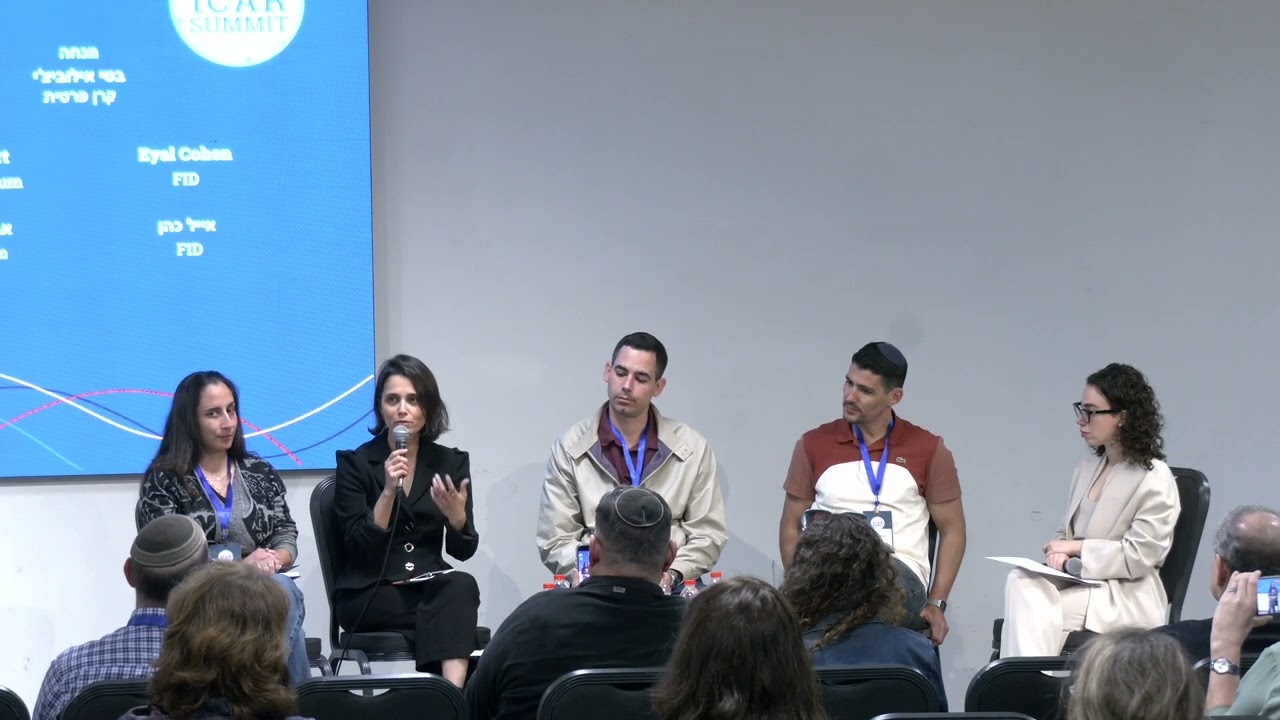
Panelists, including clinical psychologist Michal Newborn and Miriam Amadi of the Reservists' Wives Forum, highlighted the unique nature of this trauma. Reservists are returning from primitive, often horrific, combat environments, carrying unseen burdens like guilt and moral injury. This psychological toll manifests in alarming statistics: over 50% of reservists' wives have lost or quit jobs, 80% of self-employed women's businesses suffered, and 21% of families considered divorce in the last quarter. Children, too, bear the brunt, with 90% of parents reporting a decline in their mental well-being, often exhibiting delayed reactions to their parents' trauma.
The current support landscape, while growing, is fragmented. Wounded veteran Eyal Cohen shared his personal struggle, emphasizing the disconnect between structured physical rehabilitation and the lack of a clear, continuous plan for mental health. He also pointed out the disincentives within the system that penalize veterans for seeking work or education. Avi Tzirt, CEO of Momentum, noted positive shifts, such as the IDF's move towards community-based family support via dedicated coordinators in 100 local authorities. However, the panel collectively called for a unified 'Reservist Directorate' to provide holistic, family-centric care and a new reserve model that acknowledges the evolving challenges.
Crucially, the discussion emphasized the need to address 'invisible injuries' – those not fitting traditional PTSD criteria, such as 'fluorescent injuries' experienced by command post soldiers witnessing graphic events on screen, or 'anonymous bereavement' from cumulative exposure to death. Michal Newborn stressed the importance of societal recognition and validation for these sub-clinical wounds, advocating for proactive monitoring and continuous care that empowers individuals rather than labeling them as permanently 'sick.' The goal is not just symptom reduction, but fostering resilience and enabling veterans to become 'recovery leaders,' leveraging their experiences to help others and rebuild the spirit of the nation. The ongoing stigma surrounding mental health, particularly for soldiers fearing official recognition, remains a significant barrier that requires continued efforts to dismantle through education and accessible, non-stigmatizing support channels.
“If we, as a society, take a few years of massive effort to help them get back on their feet, they are the engine that drives us. If we know how to do that, we will all benefit.”
- Betty Hilowitz, Representative of an American philanthropic fund