- Medical clowns demonstrate significant economic and therapeutic impact in hospitals.
- Digital peer-to-peer platforms offer scalable, human-centered mental health support.
- Mindfulness retreats rooted in Jewish spirituality provide critical relief for frontline therapists.
- Combat veterans advocate for tailored, deep-dive interventions to address unacknowledged trauma.
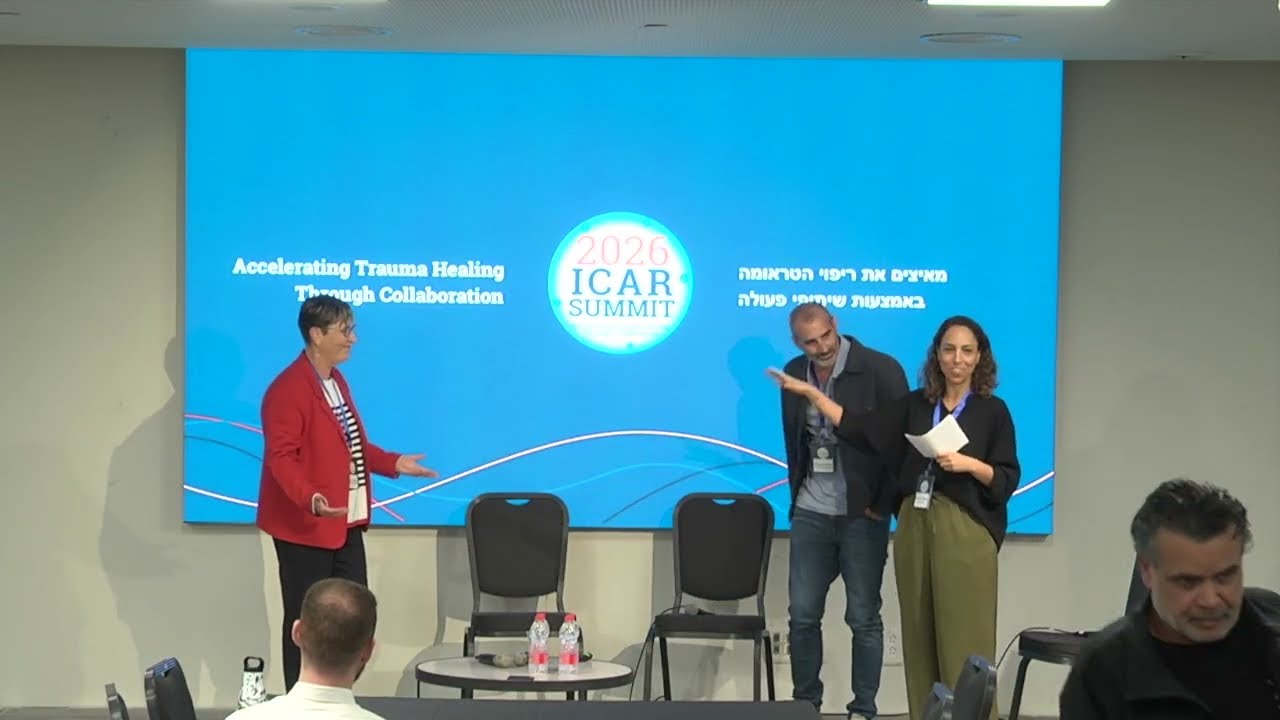
In a world grappling with unprecedented mental health challenges and widespread trauma, particularly in post-conflict regions, innovative and often unconventional approaches are emerging as vital components of healing. This session showcased three pioneering initiatives that are redefining resilience, emphasizing human connection, and demanding systemic recognition for their profound impact.
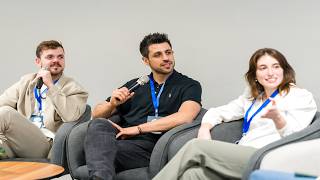
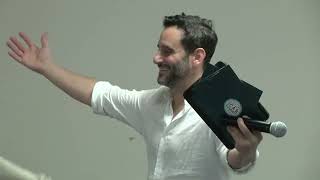
The Dream Doctor Association, presented by Dr. Efrat Danino and Tzur Shariki, highlighted the remarkable journey of medical clowning from a grassroots initiative to a recognized profession. Beyond bringing smiles, research has demonstrated that medical clowns reduce patient fear, anxiety, and pain, leading to economic benefits like shorter hospital stays and reduced medication use. Critically, the program is pushing for academic accreditation and legislative recognition, integrating medical clowns into interdisciplinary healthcare training to foster a more holistic and less siloed approach to patient care. Dr. Danino underscored the importance of exposing healthcare professionals to diverse disciplines early in their training, noting that this integration has even shown promise in reducing violence against medical staff in emergency rooms.
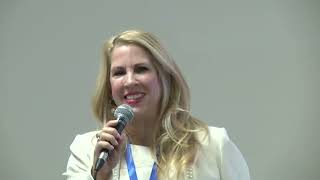
Addressing the escalating demand for mental health services, especially in communities like Shderot, the digital platform Toco, co-founded by Maya, partnered with the Shderot Resilience Center, represented by Efrat Kimchi Ziv. Toco offers a unique peer-to-peer mental health support model that combines authentic human connection with scalable technology. Unlike many tech-only solutions that can exacerbate feelings of loneliness, Toco facilitates structured, long-term emotional processes between individuals sharing common experiences, guided by technology. Clinical results are showing significant improvements in resilience, and reductions in anxiety and loneliness, proving that technology can amplify empathy rather than replace it, providing a crucial lifeline for diverse populations including municipal workers, reserve soldiers, and students.
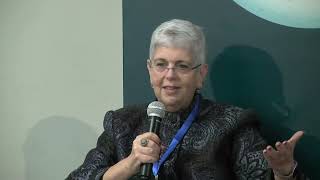
The session also shed light on the unseen burden carried by mental health professionals themselves. Sara Mann from Or HaLev and Gil Ashdod from Sha'ar HaNegev Psychological Service introduced mindfulness retreats rooted in Jewish spirituality, designed to support therapists working with war-affected populations. Recognizing that therapists often feel invisible and overwhelmed, these retreats offer a safe, nurturing space for self-regulation and replenishment. The program emphasizes that a regulated therapist is essential for effective trauma healing, creating a 'ripple effect' that positively impacts entire communities. By integrating spiritual resources and providing tools for self-care, Or HaLev aims to strengthen the 'healers' who are the force multipliers in society.
Finally, Razi Barbi, a combat veteran and founder of World for Soul, alongside Shauli Paz from Impa Association, delivered a raw and powerful plea for deeper, tailored support for reserve soldiers. Barbi, who commanded an operation where 21 soldiers were killed, described the feeling of 'gunpowder' within veterans, struggling with unacknowledged combat reactions that are distinct from formal PTSD. He highlighted the systemic failure to adequately address the emotional and psychological toll on these heroes, leading to family breakdowns, job loss, and substance abuse. The Impa Association's deep-dive workshops offer a crucial alternative, focusing on listening to the soldiers' unique needs and providing continuous community support, emphasizing that true healing requires moving beyond conventional templates and investing in impactful, long-term programs. The collective message from all presenters was clear: sustainable resilience demands innovative models, interdisciplinary collaboration, and a fundamental shift towards systemic support for all those impacted by trauma.
“We don't fix trauma. We provide the regulated field in which it can resolve.”
- Tzur Sariki, CEO of Dream Doctor Association