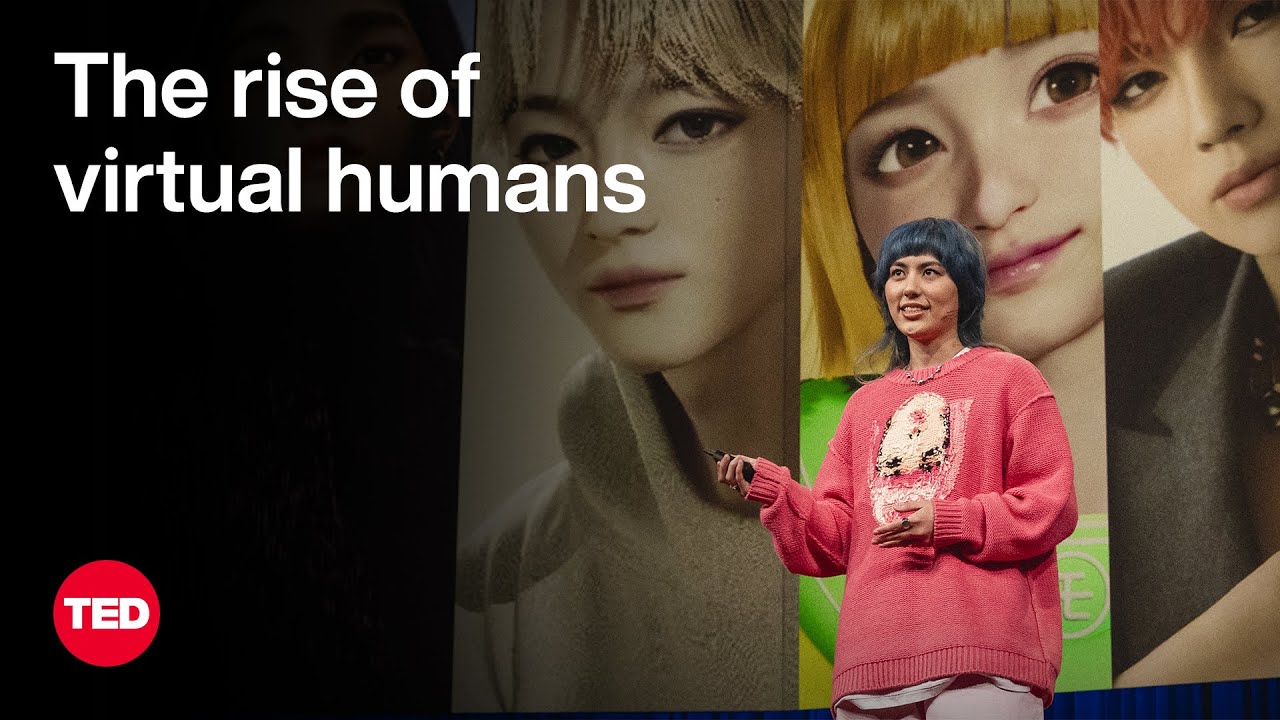
- Virtual human Ima, born in 2017, boasts millions of followers and global brand partnerships.
- She has been recognized by Forbes and the Japanese government for her social advocacy.
- Gen Z forms deep emotional connections with virtual beings, blurring lines between digital and physical.
In an era where digital presence often eclipses physical reality, a new form of influencer is emerging: the virtual human. These CGI-generated personalities are not just engaging audiences; they are shaping culture, driving social change, and challenging our very definitions of existence and connection.
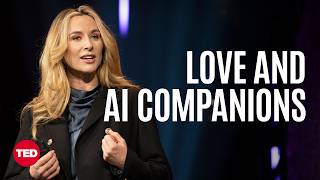
Sara Giusto, a talent manager, introduced the audience to Ima, a virtual human fashionista from Tokyo. Born from 3D software and a blend of technologies like Amaya and Unreal Engine, Ima is a complete original character, not a mimic. Despite her non-existence, Ima commands a massive following across Instagram and TikTok, sharing her life, outfits, and even her virtual pet dog, Einstein. Giusto's firm manages Ima and dozens of other virtual humans, with plans to integrate AI for autonomous conversations, as demonstrated in a live demo.
Ima's influence extends far beyond mere aesthetics. She has actively voiced opinions on real-world issues such as climate change and Black Lives Matter, organized virtual community gatherings during COVID-19, and promoted Japanese culture globally. Her impact earned her a spot on Forbes' Woman of the Year list alongside Greta Thunberg and Michelle Obama, a feature in the Tokyo 2020 Paralympics closing ceremony, and an award from the Japanese government for her advocacy against domestic violence in Cambodia. She has also collaborated with major brands like Amazon, Porsche, BMW, SK-II, Ikea, and Coach, and graced the covers of Harper's Bazaar, Vogue, and Wonderland.
Giusto highlights that for Gen Z, the distinction between a real-life breathing influencer and a virtual human like Ima is minimal. They form genuine connections, engaging with Ima's posts, asking about her perfect bob haircut, and even offering life advice. The speaker, a self-professed 'human lover,' sees this technology not as scary but as a means to amplify human treasures: love, connection, and self-expression. She contrasts this personal engagement with the utilitarian nature of past technologies like Siri, emphasizing the innate human need for emotional connection.
This burgeoning field of virtual humans, Giusto asserts, is barely on 'page one' of its history. The potential for positive impact across medical, educational, and entertainment industries is immense, leveraging the deep connection between humans and technology. Concluding her talk, Giusto urged a shift away from dystopian narratives, encouraging the audience to embrace the limitless possibilities for human connection and expression that virtual worlds offer, mirroring the boundless potential of technology itself.
“We shouldn't get caught up in the topic of what's real and what's not real, because I mean, what's really real? Anyways, we should get away from the dystopian narrative of the virtual world that we have and seize possibilities for human connection and possibilities for human expression.”
- Sara Giusto, Talent Manager