
- Post-October 7, mental health services surged 10x, collecting unprecedented data.
- Current research is fragmented, leading to 40% misdiagnosis and wasted resources.
- Experts advocate for a national agenda integrating research, policy, and technology to foster resilience.
As Israel navigates the profound and ongoing trauma following recent events, mental health leaders are issuing an urgent call to action: establish a unified national research agenda. This strategic shift is deemed critical to transform vast, yet fragmented, data into actionable insights for effective treatment and societal resilience.
The last two years have plunged Israel into a reality of fear, loss, and moral injury, demanding an unprecedented response from its mental health system. Organizations like Nat'al, the Israeli Center for Trauma and Resilience, witnessed a tenfold increase in demand, scaling from 100 to 700 therapists and serving 3,000 patients weekly, up from 300. This immense clinical activity has generated an unparalleled database, presenting a rare opportunity for global learning. However, experts warn that without a coordinated research framework, this wealth of data risks remaining untapped, leading to fragmented efforts and missed opportunities.
A key challenge highlighted by the Ikkar Collective, Nat'al, and Metiv initiative is the current disparity between symptom-focused research and the system's need for function-based data. While much research centers on PTSD symptom reduction, policymakers require insights into return-to-work, educational participation, and community functioning. Furthermore, a significant knowledge gap exists around treatment engagement: who seeks help, who avoids it, and why people drop out. Adding to the complexity, Israel's data-rich environment is paradoxically "learning-poor" due to a lack of standardization and integration across various health, welfare, and educational bodies.
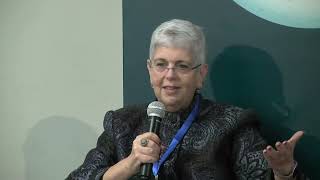
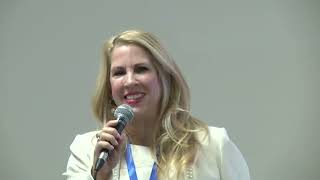
The consequences of this fragmented approach are severe. Dr. Yifat Reuveni of Nat'al revealed that 40% of trauma diagnoses are inaccurate, leading to misdirected treatments and an estimated 150 billion NIS in wasted resources and prolonged emotional suffering. She emphasized the need for integrating technology, such as biomarkers and AI, into diagnosis and continuous monitoring to enhance precision. The panel, including Dr. Anna Howard Gross and Prof. Eyal Frochter, stressed that Israel's unique experience with continuous traumatic stress makes it a global leader in this field, urging a shift from solely pathology-oriented research to a greater focus on resilience and growth. They advocate for a national agenda that aligns research with policy and service delivery, ensuring that funding supports long-term, integrated studies rather than ad-hoc, short-term projects.
Ultimately, the call is for a paradigm shift: from reactive treatment to proactive learning and innovation. This includes standardizing care across the estimated 1,500 trauma-focused NGOs, investing in longitudinal studies, and critically, securing dedicated national funding for mental health research. The experts believe that only through a unified, strategic, and adequately resourced national research agenda can Israel not only respond to its current crisis but also emerge as a global leader in trauma and resilience, transforming its hard-won experience into better practices for itself and the world.
“After two years where we held and treated those who needed us, our responsibility now is to learn, to turn experience into evidence. Evidence into policy, and policy into better practice.”
- Yehudit, Founding President of NATAL