
- Toddlers (2-6) show higher rates of prolonged emotional distress post-trauma.
- Teens exhibit alarming new behaviors, including increased substance abuse.
- A critical call for unified national policy and early, integrated intervention.
A recent panel of leading mental health and child development experts convened to shed light on the escalating mental health crisis affecting children and teens, revealing a landscape where silent struggles manifest in unexpected ways, from regressive behaviors in toddlers to dangerous substance abuse among adolescents.
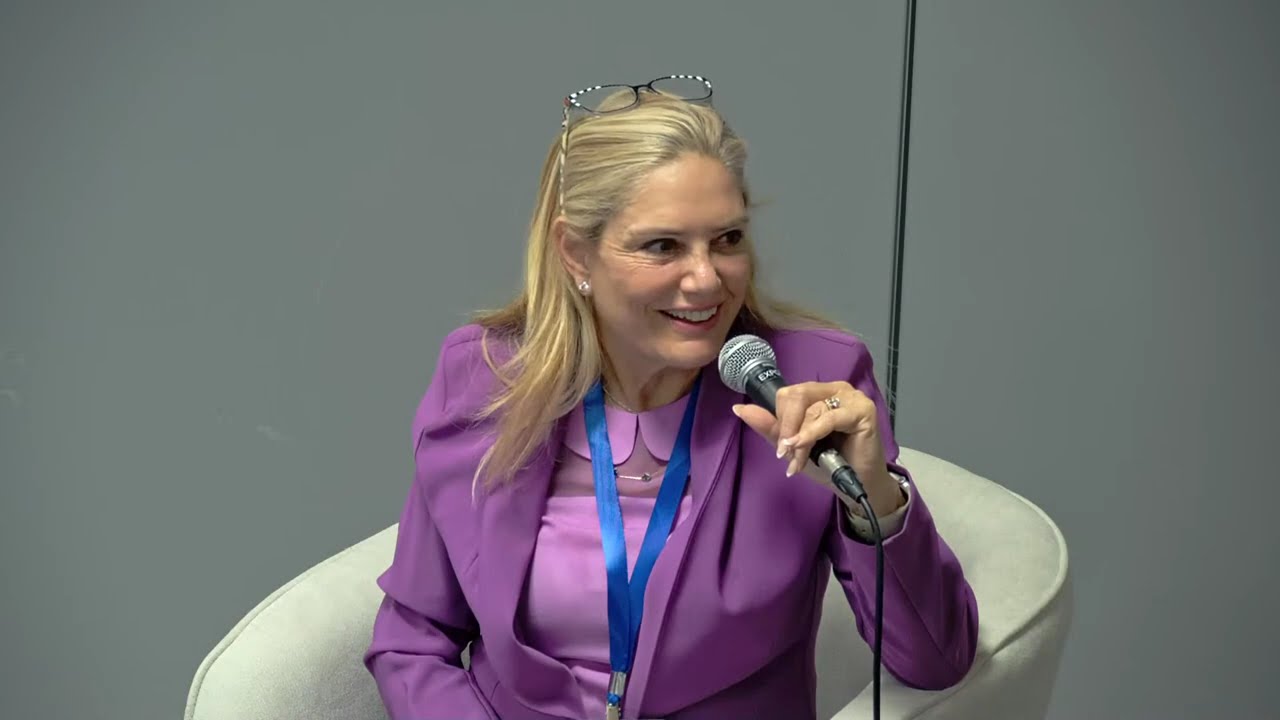
The discussion, featuring Dr. Inbal Moses from Goshen Center, Sigal from Clalit, and Michael Shahar from Yaadim LaTzafon, highlighted the profound impact of recent crises, including the COVID-19 pandemic and ongoing conflicts, on the youngest members of society. Data from a Goshen Center study on 1200 children affected by war indicated that 58% experienced prolonged emotional distress, with toddlers aged 2-6 showing a more significant worsening of symptoms than older children. These symptoms often present as changes in daily routines, sleep and eating disturbances, social withdrawal, anger outbursts, and even regressive behaviors like bed-wetting.
For adolescents, the panel noted a disturbing rise in risky behaviors, including increased smoking, drug use, and the dangerous practice of sniffing Ritalin. Michael Shahar emphasized that these behaviors are often a hidden cry for help, with many teens feeling unheard and unacknowledged, especially those displaced or directly impacted by conflict. The experts stressed that the mental state of the parent is the best predictor of a child's mental well-being, underscoring the critical need for comprehensive family support.
The session also exposed systemic challenges, including the fragmentation of services across welfare, health, and education sectors, and a severe shortage of child and adolescent mental health professionals. With only around 300 child psychiatrists in Israel, the panel called for a unified national authority to oversee children's issues and implement a clear, long-term strategy. Proposed solutions include training pediatricians in trauma-informed care, expanding group therapy, developing crisis intervention services, and leveraging digital tools like WhatsApp bots and self-help videos to empower parents and provide accessible guidance. Innovative community-based approaches, such as nature therapy, were also highlighted as effective, non-stigmatizing interventions.
Ultimately, the panel concluded with a powerful call to action: to actively listen to children and teens, acknowledge their experiences, and ensure that policymakers prioritize their mental health with dedicated resources and integrated, regulated services. The future of society, they argued, depends on the well-being of its children.
“The mental state of the parent is the best predictor for the mental state of the child.”
- Livan Moses, CEO of Goshen Center