- Pioneering MDMA and Psilocybin therapies offer new hope for severe PTSD.
- Experts highlight critical regulatory and funding hurdles despite clinical success.
- The future envisions integrated, accessible, and precision-led mental healthcare.
A paradigm shift is underway in trauma treatment, as experts in Israel unveil groundbreaking pharmacological and psychedelic-assisted therapies. Moving beyond mere symptom management, these innovations are offering profound healing, enabling patients to reclaim their lives after years of suffering.
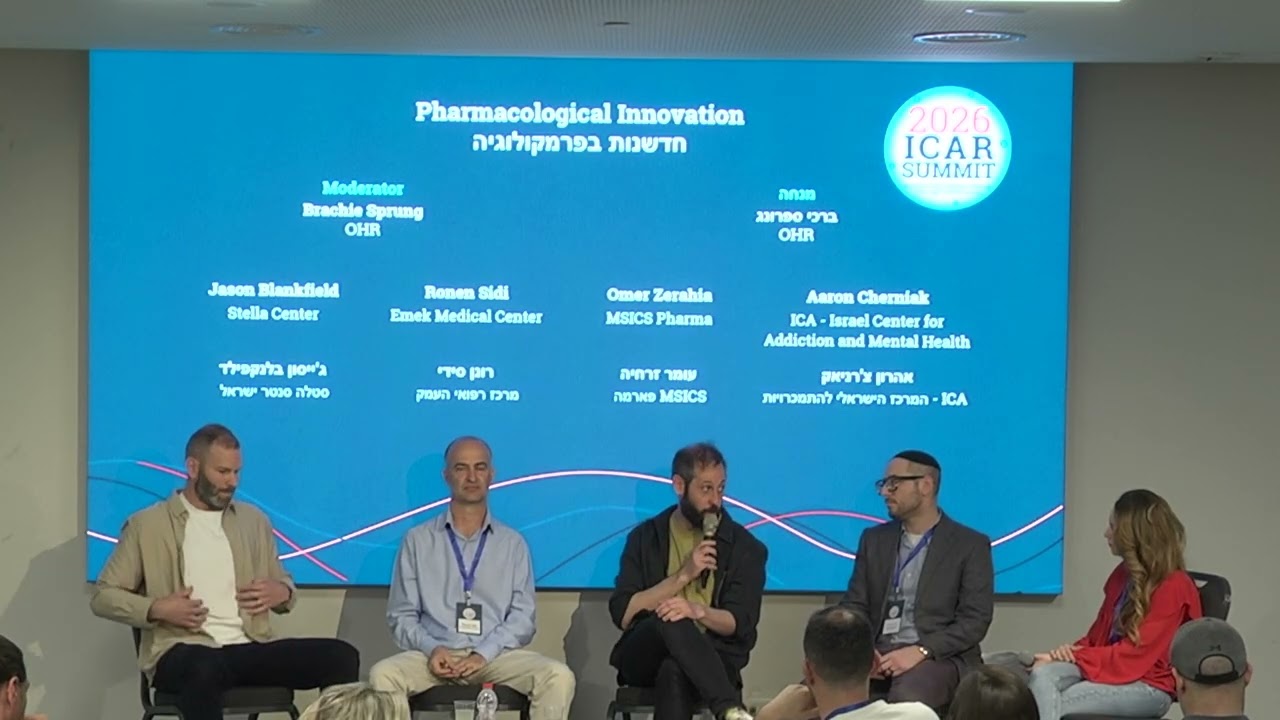
For decades, the prevailing approach to trauma offered little beyond symptom management, leaving many patients feeling that "nothing could be done." Today, however, Israel stands as a global pioneer in a revolution of mental health treatment. A panel of leading experts showcased innovative biological and psychedelic therapies, including the Stella Ganglion Block (SGB), IV Ketamine, MDMA-assisted psychotherapy, and medically produced psilocybin, all aimed at fostering true healing and recovery.
These treatments operate through diverse yet powerful mechanisms. Jason introduced Stella's SGB, a local anesthetic that resets the sympathetic nervous system, helping patients exit chronic "survival mode." IV Ketamine, he explained, promotes neuroplasticity, creating new pathways for thought and feeling. Ronen Sidi shared remarkable results from Emek Medical Center, where MDMA-assisted therapy has helped two-thirds of military veterans with over 20 years of PTSD achieve remission. Omer of Mesix Pharma detailed the meticulous production of medical-grade psilocybin, a pro-drug that, once metabolized, induces neuroplasticity, preparing the brain for profound therapeutic work.
Despite the promising clinical outcomes, significant challenges remain. The panelists collectively identified regulatory hurdles, insufficient funding, and a lack of societal ambition as major impediments to widespread access. Aharon Cherniak and Ronen Sidi underscored the critical role of psychotherapy in psychedelic-assisted treatment, emphasizing the need for robust ethical frameworks, standardized clinician training, and careful supervision, particularly within public medical centers. They also addressed common misconceptions, such as the fear of "bad trips," clarifying that medically supervised psychedelic therapy is vastly different from illicit substance use.
Looking ahead, the panel envisions a future where pharmacology and psychotherapy are seamlessly integrated, offering psychiatrists a broader, more effective toolkit. The aspiration is for accessible, precision-led trauma care, utilizing biomarkers to tailor treatments and moving beyond generic approaches. While acknowledging the immense work still required, the experts expressed a collective optimism that Israel, with its innovative spirit and research capabilities, is uniquely positioned to lead the world in defining and delivering the next generation of trauma healing.
“We are in the first documented era where we are starting to understand the brain, and this is the era where the gate has been breached. We are in a psychedelic revolution.”
- Brachi, Moderator