- 85% of Israelis aware of mental health impact, yet only half seek help.
- Multi-sectoral approach vital for building community resilience and reducing stigma.
- Lessons from past crises highlight the need for flexible, culturally sensitive mental health solutions.
A recent panel discussion illuminated the critical shift in Israel's mental health strategy, moving beyond traditional treatment to embrace psychoeducation and public awareness as foundational pillars for societal resilience.
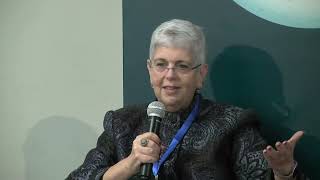
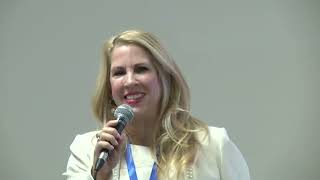
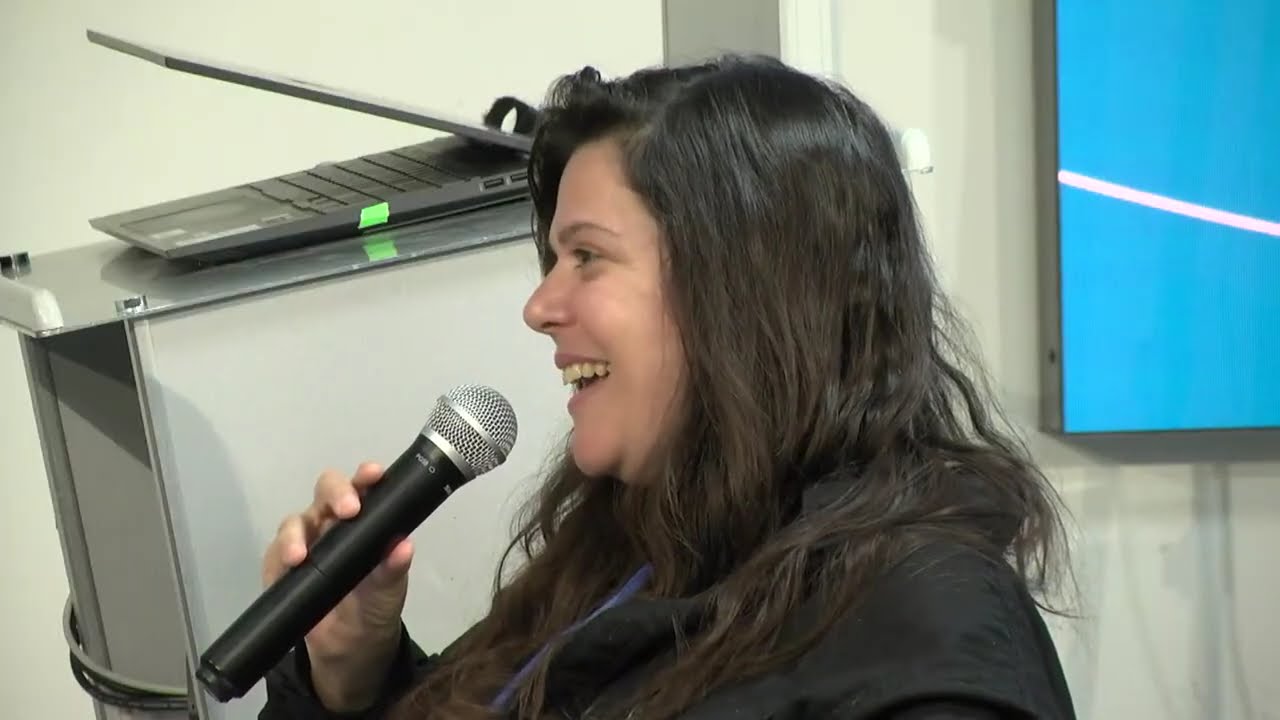
The discussion, featuring leading experts from academia, healthcare, local government, and public organizations, underscored a significant paradox: while 85% of the population recognizes the impact of mental health on their lives, a staggering gap remains, with only half of those experiencing distress actively seeking help. This disconnect highlights the persistent challenges of stigma, trust in the system, and the public's understanding of what constitutes mental health support.
Naama Shamgar of the Ekar Collective presented findings from a comprehensive survey, revealing that despite high awareness, stereotypical views about mental illness persist. Dr. Irena Strakhilevich, Chief Psychiatrist at Meuhedet Health Fund, further elaborated on the phenomenon of the 'invisible wounded,' where individuals, particularly those affected by recent national traumas, delay seeking help due to a perceived lack of severity compared to others' suffering. Dr. Elad Zlotnik from the Hebrew University stressed the importance of public literacy in self-assessment, advocating for a nuanced understanding of different types of distress and the appropriate, varied treatments available, rather than a one-size-fits-all approach.
The role of local government and community organizations emerged as crucial. Liron Doron Levy, CEO of the Local Government Center, detailed initiatives like support for military families and 'care for caregivers' programs, acknowledging the unique challenges faced by frontline workers. Shay Liraz of Mifal HaPais emphasized the power of grassroots initiatives and personal narratives, noting that authentic storytelling, such as Udi Kagan's impactful speech, often resonates more deeply than traditional campaigns. The panel also reflected on lessons from the COVID-19 pandemic, where the healthcare system developed unprecedented flexibility in remote care, a crucial adaptation now serving the nation amidst ongoing crises.
Looking ahead, panelists shared a collective vision for success: a future where mental health is integrated into daily discourse, free from stigma, and where individuals can readily access tailored support. This involves fostering a common language across all sectors, ensuring adequate funding for community-led solutions, and cultivating a societal acceptance of mental health challenges akin to physical disabilities. The consensus was clear: sustained, collaborative psychoeducation is not just a campaign, but a national strategy for enduring resilience.
“We need to understand that people are intelligent. They are capable of understanding complexity. Our aspiration is for people to be able to reasonably self-diagnose.”
- Chani Zussman, Representative of the Jewish Community of Chicago