- 58% of Arab communities lack accessible mental health services, highlighting a severe systemic gap.
- Ethiopian immigrants face unique historical traumas, with up to 28% diagnosed with PTSD, yet national services remain largely unadapted.
- Neurodivergent individuals, like those with autism, exhibit significantly higher vulnerability to trauma, demanding specialized and integrated care protocols.
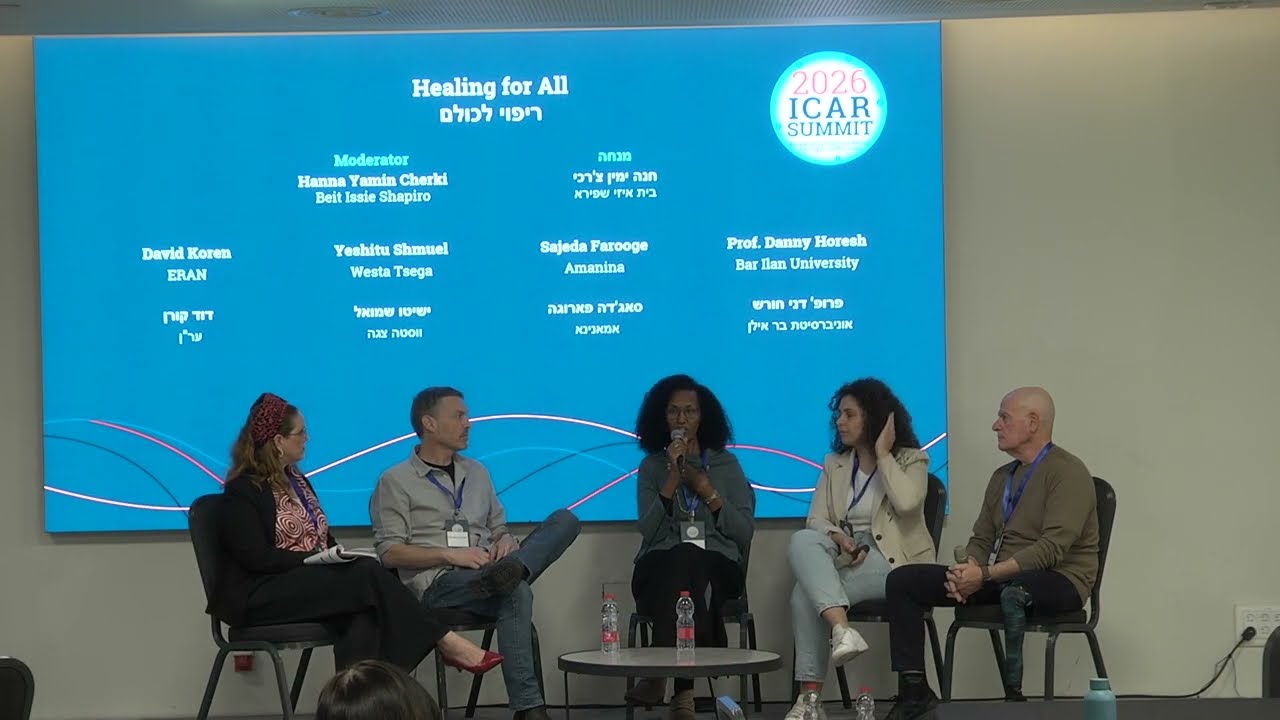
A recent conference panel exposed the critical shortcomings of current trauma care, revealing how a 'one-size-fits-all' approach systemically neglects and misdiagnoses vulnerable populations, including neurodivergent individuals and the Ethiopian and Arab communities.
The prevailing understanding and treatment of trauma are heavily biased, largely based on what psychologist Danny Horesh calls 'WEIRD' populations – Western, Educated, Industrialized, Rich, and Democratic. This narrow focus means that the vast majority of human psychological experiences, especially concerning trauma, remain unaddressed. For instance, individuals on the autism spectrum, who possess cognitive rigidities that can exacerbate post-traumatic stress, are often left without adapted protocols, leading to re-traumatization rather than healing. The panel underscored that trauma care must move beyond these limited frameworks to genuinely serve all.
For communities like Ethiopian immigrants, who endured harrowing journeys and refugee camp experiences, historical and intergenerational traumas are compounded by a mental health system ill-equipped to understand their unique cultural expressions of distress. As clinical social worker Yesh Eto highlighted, a direct translation of symptoms, such as 'hearing voices from the belly' being misconstrued as schizophrenia, leads to severe misdiagnosis and inappropriate treatment. Similarly, Sajida, representing the Arab community, detailed the profound structural barriers, with over half of Arab localities lacking mental health services, and a severe shortage of Arabic-speaking therapists. Even when services exist, cultural stigmas and a lack of culturally competent approaches prevent families from seeking or trusting care.
The panelists, including David Koren from ERAN, emphasized the alarming lack of engagement from these underserved communities with national support lines, signaling a deep mistrust and inaccessibility. The call for change is not merely about adaptation but about co-creation – building new, evidence-based models in collaboration with community representatives and patients themselves. This requires humility, interdisciplinary cooperation, and a willingness to move beyond established clinical norms. The consensus was clear: the current crisis, while tragic, presents an undeniable opportunity for systemic reform, forcing society to confront its failures and build a more inclusive, resilient mental health infrastructure. As Horesh powerfully stated, "We have no choice" but to change, as the very fabric of society depends on it.
This shift demands leveraging inherent community strengths, such as the Ethiopian community's deep-rooted 'mutual responsibility' and the Arab community's strong family ties, as foundational elements for healing. These cultural assets, often overlooked by Western models, can act as powerful preventative and supportive mechanisms against the isolating effects of trauma. The path forward involves not just treating symptoms but fostering environments where trust, cultural understanding, and collective well-being are prioritized, ensuring that no one is left to suffer in silence.
““We have no choice. If this doesn't happen in the Arab sector, if it doesn't happen in the Ethiopian community, if it doesn't happen by looking at marginalized populations, the very foundations of our society will simply not hold up.””
- Hanna, Professional Deputy CEO at Beit Izzie Shapiro