- Multi-sectoral collaborations drive innovative mental health solutions.
- Culturally adapted programs and AI technology expand access to care.
- Community-based initiatives empower local capacity and foster well-being.
In a landscape where mental health needs are escalating, particularly in vulnerable communities, a recent conference showcase highlighted the transformative power of multi-sectoral partnerships in building local capacity and delivering innovative solutions.
The session, moderated by Hadas Klein from the Growth Directorate's Health Cluster, underscored a critical shift: moving beyond traditional clinical approaches to embrace a broader concept of mental well-being. Speakers presented five distinct yet interconnected initiatives, all emphasizing collaboration between government, local authorities, academia, social organizations, and philanthropy to address complex psychosocial challenges.
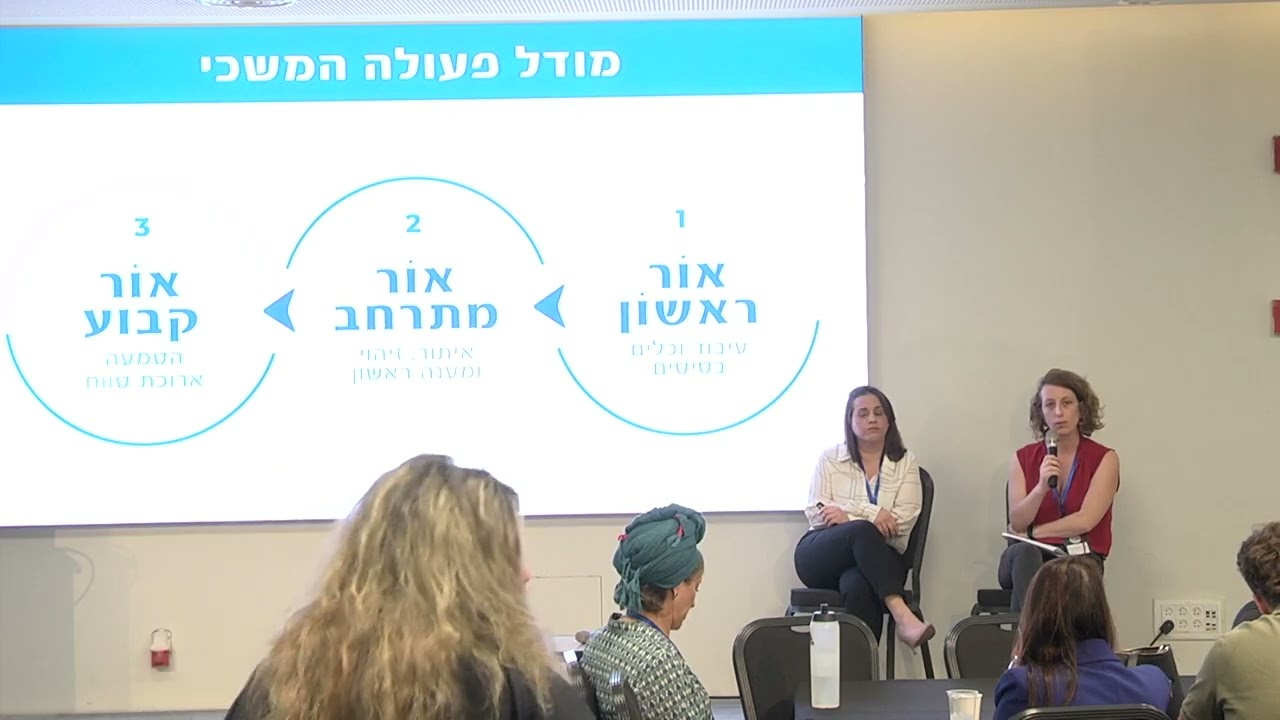
One standout initiative, the 'Or Rishon' program by Joint Israel and Mefarshim, trains municipal workers to become 'resilience promoters.' These frontline staff are equipped with tools for mental first aid, self-regulation, and effective referral, creating a vital network of support within local communities. Similarly, the University of Haifa, in partnership with Umm al-Fahm Municipality and local youth centers, introduced a culturally adapted, stepped-care model for Arab youth. This program tackles stigma and resource scarcity by utilizing community supporters for low-intensity interventions and specialized therapists for higher needs, demonstrating the profound impact of tailoring services to specific cultural contexts.
The role of technology emerged as a powerful enabler, particularly in reaching younger demographics. Ramat Gan Municipality, collaborating with Civics and Kai AI, showcased an AI-powered emotional support chatbot designed for young adults aged 20-30. Facing a staggering 62% decline in mental well-being among this group and a reluctance to seek traditional help, the hybrid AI model offers 24/7 accessible support, complemented by human psychologists for complex cases. The data revealed an 82% improvement in users' emotional states, highlighting AI's potential to scale mental health interventions safely and effectively.
Further reinforcing community-led approaches, Otef Lev and Sapir Academic College presented 'Amit BaKehila,' a program training social work students to provide first-tier psychosocial support. This initiative not only addresses the needs of the 88% of the population who may not be clinically diagnosed but still require assistance but also provides students with invaluable practical skills. Finally, the Shutafim organization's 'Hosen Yiladeinu' initiative focuses on strengthening parental resilience in conflict-affected areas. By establishing parenting centers and fostering multi-sectoral strategic discussions, the program aims to empower parents as the primary anchors for their children's well-being, creating a cohesive, long-term support system that transcends individual organizational efforts.
“We believe that if we strengthen the circles surrounding children and youth, we can provide them with tailored solutions.”
- Hadas Klein, Manager of the Health Cluster at the Growth Directorate