- Leaders call for national roadmap to accelerate trauma healing.
- Emphasis on collaboration across public, private, and academic sectors.
- Personal stories highlight the urgent need to destigmatize mental health.
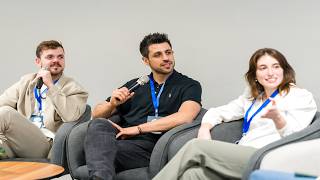
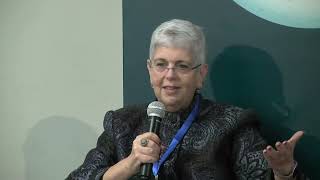
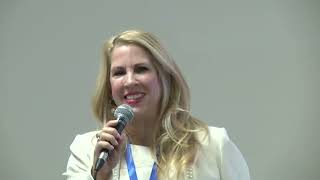
Tel Aviv played host to the second annual National Mental Health Conference, organized by Collective Ikar, bringing together an unprecedented coalition of experts, policymakers, and community leaders. The overarching goal: to forge a unified strategy and accelerate the healing of collective trauma in Israel.
The conference, held at Expo Tel Aviv, underscored a critical national imperative following recent events, including the return of the last hostage, Ran K. Willie. Speakers emphasized that the nation is in a profound journey of healing and mending, requiring deep collaboration across government ministries, academia, civil society, and technological industries. The event aims not just to share knowledge but to create a professional working document and a summary report, ensuring the conference's outcomes have lasting impact and future opportunities.
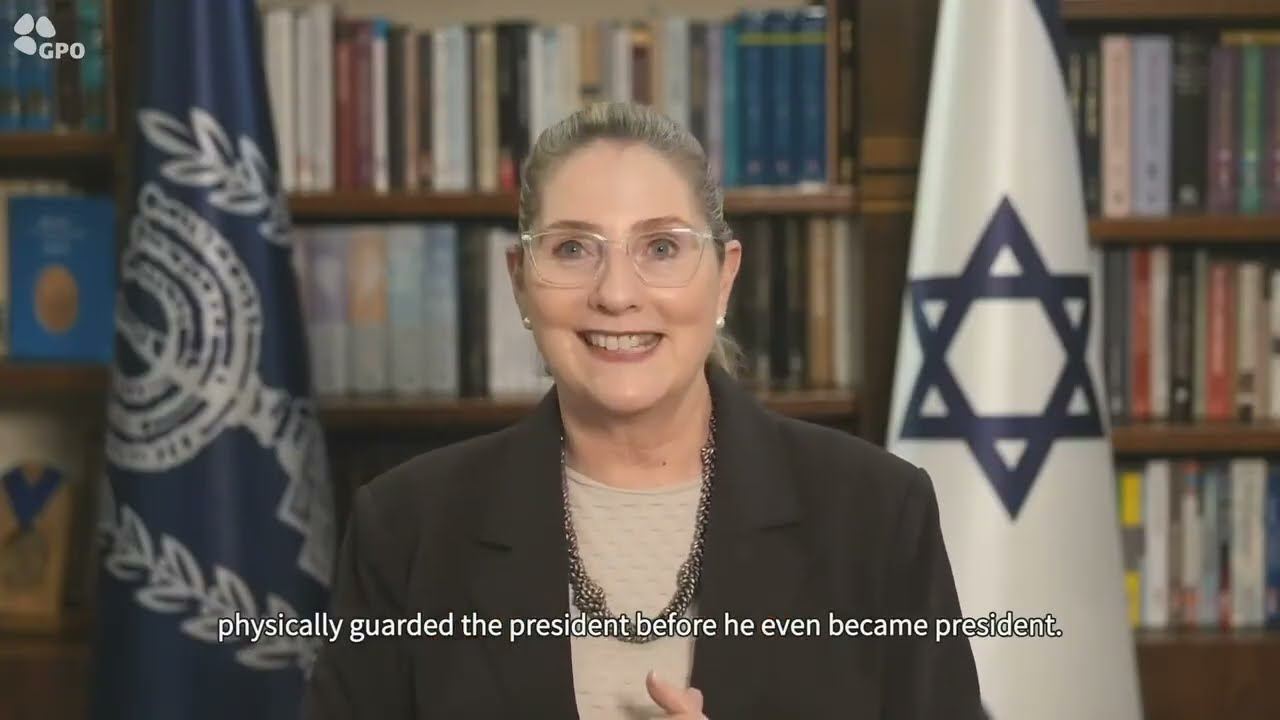
First Lady Michal Herzog, in a pre-recorded message, expressed immense pride in the diverse array of participants, from senior experts to tech innovators. She highlighted Israel's inherent values of kindness, solidarity, and empathy, stressing that just as trauma is collective, so too must be the response. Her message resonated with the conference's core belief in the power of collaboration to create a more compassionate and accessible world for those struggling with mental health challenges.
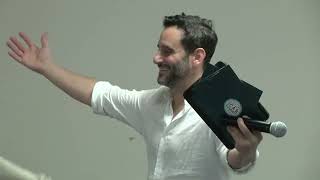
Member of Knesset Yaron Levi, a member of the Health Committee and chairman of the Lobby for Strengthening Resilience in Israel, delivered a particularly moving address. He openly shared his personal journey with anxiety and therapy, starting at age 23, explaining that his advocacy stems from his own experience as a patient. Levi passionately called for making mental health visible, likening the mind to a muscle that can be injured but also strengthened. He stressed the need for integrated care, reduced waiting times, and a continuous therapeutic process, rather than fragmented services across different ministries. His candidness was met with applause, symbolizing a significant step forward in destigmatizing mental health in public discourse.
Additional speakers, including Hanan Lish of Collective Ikar and Beni Dreyfus, CEO of Mifal HaPais, further elaborated on the complexities of post-war trauma. Lish warned against misinterpreting a period of calm as healing, asserting that trauma does not adhere to political or military timelines. He championed the collaborative spirit fostered by Collective Ikar, aiming to transform parallel efforts into shared endeavors. Dreyfus affirmed Mifal HaPais's commitment to supporting mental health initiatives, recognizing it as crucial for national resilience and recovery. The conference also highlighted the unique challenges of civilian trauma and the need to reach populations unaccustomed to seeking help, culminating in a powerful call for integrating "mental hygiene" education from early childhood to build a more resilient future generation.
““Our soul is like a muscle; it can be injured, it can be torn, but it can also be strengthened and reshaped in a new way.””
- Gilad Shalmor, Conference Host