- Calls for community leader accountability alongside government efforts.
- Innovative proposals include training imams for mental health advocacy.
- Strategic framework emphasizes psychoeducation, role modeling, and municipal engagement.
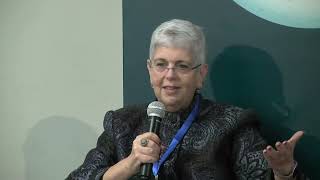
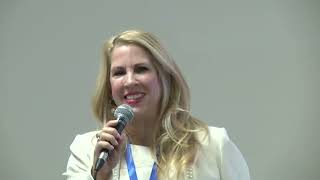
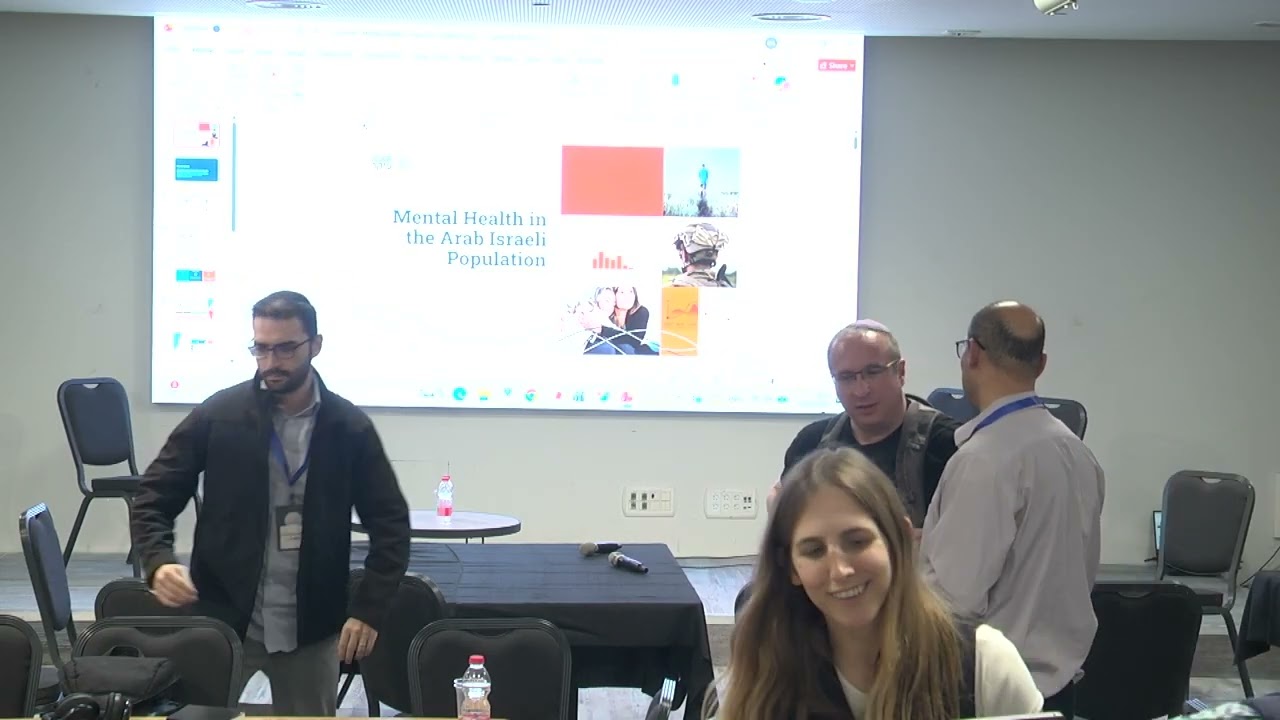
A recent roundtable discussion has set the stage for a transformative approach to mental health and trauma support within Arab-Israeli communities, challenging existing norms and proposing actionable solutions.
The session, described as the "ignition" for a series of ongoing dialogues, underscored the critical need for comprehensive psychosocial care. Participants highlighted the importance of moving beyond traditional frameworks, advocating for a multi-faceted strategy that involves various community stakeholders. A key theme was the call for greater accountability from community leaders, complementing government efforts in addressing widespread trauma.
Innovative proposals emerged, including the idea of training imams to deliver mental health-focused speeches during Friday prayers, leveraging existing community structures for broader outreach. The discussion also touched upon the necessity of reframing trauma in a way that resonates with diverse generations, suggesting a 'marketing' approach to mental wellness to overcome stigma. Insights from UNICEF's successful psychosocial care models in other Arab-speaking regions were cited as potential blueprints for local adaptation.
Looking forward, the strategic framework outlined includes deconstructing the complex problem into manageable components, focusing on psychoeducation, role modeling, and active engagement with municipalities and local leaders. The emphasis is on utilizing existing materials and fostering collaboration across educational systems and community networks. This initial roundtable serves as a powerful call to action, inviting individuals and organizations to join a collective journey aimed at driving policy changes and fostering a supportive environment for mental well-being in Arab-Israeli society.
The organizers expressed a strong commitment to continuing these dialogues, with a second roundtable already planned, signaling a long-term vision for impactful change. The sentiment was clear: "We're all in this together," marking the beginning of a collaborative effort to address a deeply rooted societal challenge.
“We don't have to frame it as trauma. We can frame it as something else or something like let's help the mental.”