
- One in four employees is a family caregiver, often struggling in silence.
- Organizations are implementing systemic policies and training to support employees and mental health professionals.
- The workplace emerges as a critical source of resilience, impacting national well-being.
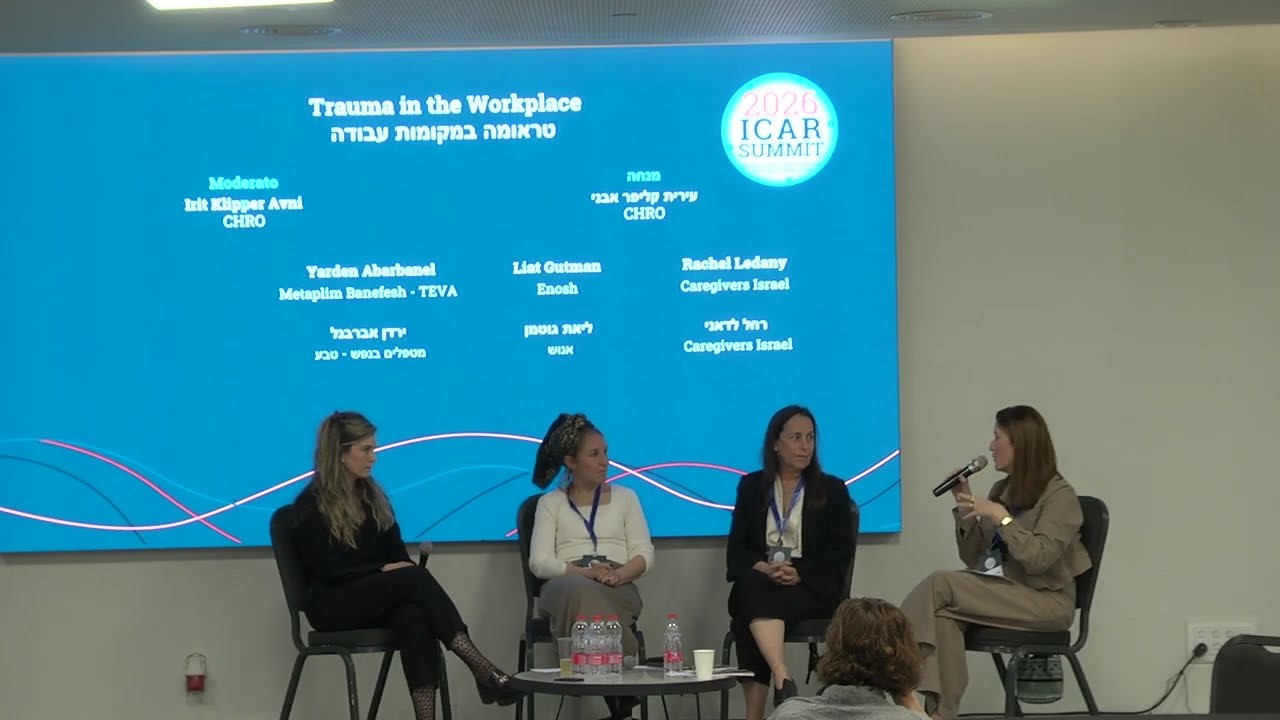
In the wake of recent national crises and ongoing societal challenges, Israeli workplaces are confronting the pervasive issue of trauma, not just among those directly affected, but across the entire workforce. A recent panel discussion highlighted innovative approaches to foster resilience and provide essential support.
The discussion, featuring leaders from HR, non-profits, and a global pharmaceutical company, underscored that trauma extends far beyond immediate conflict zones. It encompasses the daily struggles of family caregivers—a staggering 1.5 million people in Israel, representing one in four employees. Often, 60% of these caregivers conceal their responsibilities from employers, leading to severe burnout, increased accidents, absenteeism, and reduced productivity, all with significant economic repercussions. Experts emphasized that neglecting this issue transforms it from a welfare concern into a critical business challenge impacting an organization's bottom line.
Organizations are now stepping up with systemic solutions. Care Givers, a non-profit, has successfully partnered with the Civil Service Commission and the IDF to implement comprehensive policies supporting employee caregivers, offering flexibility and resources. Similarly, their 'Worker' model extends this framework to the private sector. Meanwhile, Enosh, a leading mental health non-profit, champions initiatives like 'RU OK,' a four-step program empowering all employees, not just therapists, to genuinely check in, listen, and support colleagues in distress. They also provide crucial internal support for their own staff, recognizing the toll of secondary trauma on mental health professionals.
Pharmaceutical giant Teva has launched a unique philanthropic program to support the 'healers of the soul'—the mental health professionals themselves. Recognizing that therapists often prioritize their patients' needs over their own, Teva's initiative provides essential training in trauma-specific therapies, ongoing supervision, burnout prevention, and even leverages technology to bridge the vast gap between demand and available care. This commitment extends internally, with Teva offering extensive support lines, workshops for returning reservists, and parent support groups, demonstrating a holistic approach to employee well-being.
The overarching message is clear: the workplace is not just a place of employment but a vital pillar of national resilience. By investing in employee well-being, acknowledging hidden struggles, and empowering both caregivers and mental health professionals, organizations contribute to a 'win-win-win' scenario—benefiting individuals, strengthening companies, and ultimately fostering a more resilient society. The panel concluded with a call for sustained philanthropic and governmental support to ensure these critical initiatives continue to thrive.
“Where there is trauma, there is hope. If there was a change for the worse, it means there can be a change for the better.”
- Irit Klipper-Havena, VP of Human Resources