- Women in security forces and on the home front face unique, often overlooked, psychological trauma.
- Civil society organizations are pioneering gender-specific mental health solutions where formal systems fall short.
- The media's role in sharing trauma narratives presents a complex ethical dilemma, risking re-traumatization.
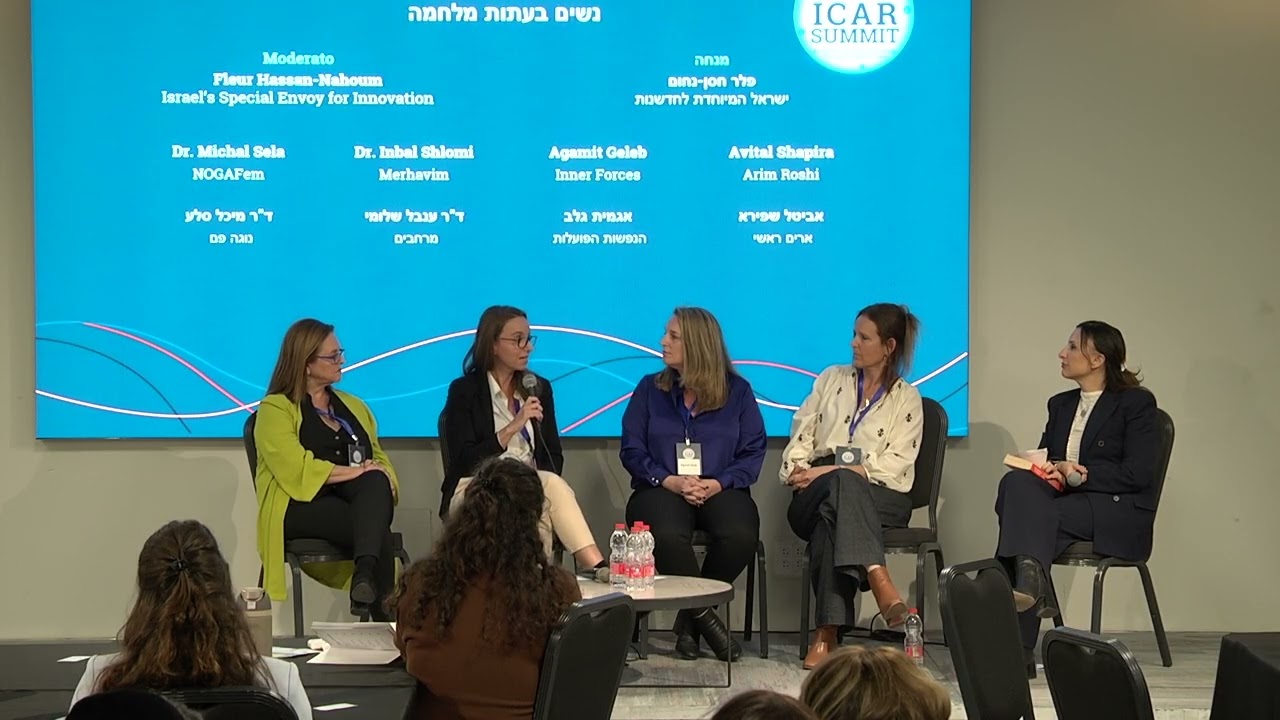
A recent conference panel shed light on the profound and distinct ways women experience trauma in wartime, challenging conventional understandings of PTSD and mental health support. Experts highlighted critical gaps in care and the urgent need for tailored, gender-sensitive approaches.
The discussion, featuring leaders from organizations like Arim Roshi, Nafshot Hapoalot, Merhavim, and Nogafam, underscored a pervasive 'data gap' and 'solutions gap' for women. Avital Shapira, founder of Arim Roshi, emphasized that women in security roles require specialized post-trauma treatment due to biological and sociological differences, a need often unacknowledged by formal military systems. Similarly, Agamit Glev of Nafshot Hapoalot revealed groundbreaking research showing mothers of soldiers experience complex primary trauma, not merely secondary, demanding recognition and dedicated support for families.
Dr. Ambal Shlomi from Merhavim addressed the heightened vulnerability of women with pre-existing complex trauma, particularly sexual trauma survivors, to re-traumatization through unmediated media exposure. She articulated the ethical tightrope between public advocacy and safeguarding individual healing, stressing the need for trauma-informed communication. Michal Sela of Nogafam further exposed a significant innovation gap in 'trauma tech,' where new solutions often fail to account for gender-specific physiological and psychological responses, perpetuating inadequate care.
The panelists collectively called for a paradigm shift, advocating for women's inclusion in decision-making processes across all sectors, from military policy to media ethics. They highlighted how women in diverse roles, from intelligence analysts to paramedics, experience profound trauma often excluded from traditional 'combatant' definitions and debriefing processes. The strength of civil society, as demonstrated by the rapid mobilization of organizations like Arim Roshi and Nafshot Hapoalot, was presented as a beacon of hope, providing community-based, continuous care models that foster post-traumatic growth and resilience.
Ultimately, the session concluded with a powerful message of hope rooted in collective action and the inherent resilience of women. The panelists celebrated the ability of communities to heal, adapt, and transform personal challenges into solutions for the broader society, underscoring that addressing women's unique trauma needs is not just beneficial for women, but for the entire fabric of society.
“The story of witnessing trauma is a deeply significant part of therapy, and it doesn't happen in the first moment. The memory of trauma is not encoded like other memories; it is recorded in the body, often fragmented, non-sequential, and sometimes incoherent. The narrative of testimony is therefore a process that sometimes takes weeks, months, and even many years.”
- Fleur Hassan-Nahoum, Israel's Special Envoy for Innovation