
- Experts call for a paradigm shift from 'what's wrong with you?' to 'what happened to you?'
- Trauma prevalence estimated at 70-90% globally, with long-term impacts peaking years after events.
- New models integrate social-emotional learning, mindfulness, and regulated training across education, healthcare, and workplaces.
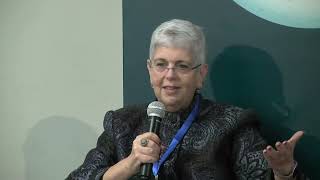
In a compelling discussion, a panel of leading experts converged on a critical challenge: integrating trauma-informed approaches into the fabric of society. From educational institutions to corporate offices and healthcare systems, the consensus was clear – understanding and responding to trauma is no longer a niche concern but a fundamental requirement for societal well-being.
The session, titled "Creating Trauma-Informed Systems," featured clinical psychologist Roni Berger, Dr. Miki Winkler, CEO of the Institute for Safety and Hygiene, psychiatrist Dr. Dafna Armon, and Professor Nurit Yirmiya from the Hebrew University. Each brought a unique perspective, yet all underscored the pervasive nature of trauma, with Dr. Armon citing WHO statistics suggesting 70-90% of the global population experiences at least one traumatic event in their lifetime. This staggering figure necessitates a shift from a reactive, pathology-focused model to a proactive, empathy-driven one.
Key to this transformation is a fundamental change in perspective. Dr. Armon advocated for asking "What happened to you?" instead of "What's wrong with you?"—a shift that acknowledges an individual's history shapes their present. Roni Berger introduced the "4 M's" for resilient systems: Awareness, Leadership, Preparedness, and Skills. Dr. Winkler highlighted the unique challenges in workplaces, where trauma is often hidden but can erupt during unexpected events, stressing the need for annual 'stop days' for management to reflect and prepare. Professor Yirmiya emphasized the long-term impact of trauma, noting that symptoms from events like 9/11 peaked almost a decade later, underscoring the need for sustained, scalable solutions that address the 88% of the population who don't require specialist intervention but still need professional support.
The panelists outlined concrete steps for implementation. This includes widespread training for all staff, from security guards to medical secretaries, to recognize trauma signs and respond appropriately. Professor Yirmiya detailed initiatives like "Amit BaKehila" for students and the "PWP" program for psychosocial well-being practitioners, emphasizing human connection over digital solutions. Dr. Armon introduced the innovative 'Purple Card' for sexual assault survivors, a tool designed to facilitate trauma-informed medical care without requiring verbal re-telling. Roni Berger stressed the importance of early childhood education, integrating social-emotional learning, mindfulness, and compassion from kindergarten, and critically, extending these efforts to the Arab sector, which faces unique and often overlooked challenges. The experts also cautioned against the dangers of well-intentioned but unregulated interventions, advocating for clear professional boundaries and robust regulatory frameworks.
Looking five years ahead, the vision is a society where care is more precise, patient avoidance of medical help decreases, and organizational awareness of trauma is sustained, not forgotten. This future hinges on continuous education, breaking down stigma, and fostering environments where both employees and patients feel seen, supported, and empowered. The call to action is clear: invest in human capital, implement structured training, and embed compassion into the core DNA of every institution, ensuring that the heart is educated alongside the mind.
“Education of the mind without education of the heart is no education at all.”
- Roni Berger, Clinical Psychologist