- Nature-based interventions show significant promise for trauma, stress, and dysregulation.
- New research reveals physiological and psychological benefits, including reduced cortisol and increased self-efficacy.
- Experts call for formal integration and funding to scale these vital, non-traditional healing modalities.
In the wake of the October 7th attacks, Israel has seen an exponential rise in nature-based therapies, offering vital refuge and support to soldiers, families, and communities grappling with profound trauma. This burgeoning field is demonstrating powerful mechanisms for healing, often complementing or enhancing traditional clinical approaches.
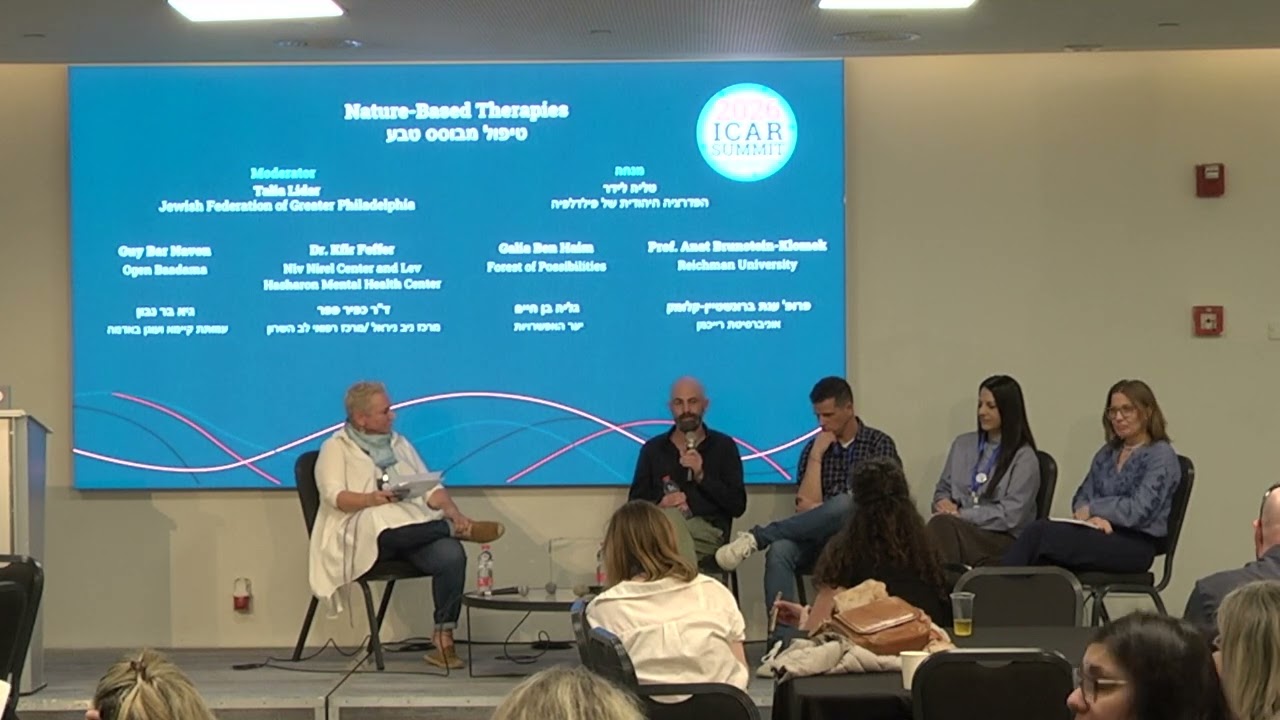
A recent panel discussion highlighted how these interventions, rooted in somatic awareness, movement, group ritual, and connection to nature, help individuals reclaim a sense of security and self-worth. Historically, many therapists practiced outdoor sessions covertly, fearing judgment from 'old school' clinical approaches. However, the sheer scale of trauma post-October 7th has forced a paradigm shift, bringing these methods into the mainstream and validating their efficacy.
Panelists, including Professor Anat Bronstein Klomek from Reichman University, Dr. Kfir Papo from Niv Nirel Center, Galya Ben Haim of Ya'ar Forest Medicine, and Guy Bernbaum from Ogen Ba'Adama, shared compelling insights. Dr. Papo, a psychiatrist, recounted how a patient unable to sit in a traditional clinic led him to 'therapy by running,' revealing deep-seated trauma that verbal therapy alone might have missed. Bernbaum emphasized how working the land at Ogen Ba'Adama combats the isolation and helplessness inherent in trauma, fostering community and self-efficacy through shared labor and tangible results.
Research presented by Professor Bronstein Klomek on reservists showed an initial *worsening* of symptoms before significant improvement, underscoring the complex nature of trauma processing in natural settings. Galya Ben Haim detailed Ya'ar Forest Medicine's evidence-based protocols, demonstrating over 50% reduction in cortisol levels and positive effects on cognitive and emotional function, partly attributed to phytoncides – organic compounds emitted by trees. These findings are pushing for 'forest prescriptions' akin to those in Germany.
The discussion also addressed critical challenges: the need for standardized training for therapists, overcoming skepticism within formal healthcare systems, and securing sustainable funding beyond emergency philanthropy. Experts advocated for a national 'prevention basket' to integrate these therapies into public health, recognizing their potential for early intervention and long-term resilience across diverse populations, from children to the elderly. The consensus was clear: nature-based therapies are not merely an alternative but an essential, integrative component of a comprehensive mental health ecosystem, demanding formal recognition and support.
““We are opening, we are allowing reservists to go out, and then it was to go out and come in and go out and come in – that zipper, opening and closing each time, is not easy. And then, of course, we saw the improvement, but not the ideal.””
- Talia Lidar, Representative of the Jewish Federation of Philadelphia