Unlock the Secrets to 473% Pipeline Growth from Events!
In an era where event marketing must prove its worth, Cvent, a leader in event technology, has cracked the code. Their annual Cvent CONNECT conference isn't just an industry gathering; it's a meticulously planned revenue engine. This year, the event broke records, generating an astounding $75 million in influenced pipeline and achieving a 473% year-over-year attributed pipeline growth.
“convince your boss”
- Myllisa Patterson, Vice President of Demand Generation at Cvent
Discover the exact strategies Cvent uses to market its flagship event, Cvent CONNECT. Learn how to design impactful campaigns, segment audiences, and measure success to drive massive revenue growth.
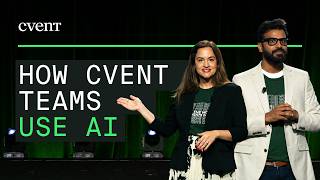
Okay. So, Dara, can you believe we're here? here? >> No. Not. >> No. Not. >> They let you out of that war room. >> They let me out of the war room, you guys. I'm free. >> Yeah. I don't know if everybody here knows, but Dara promotes this event. That's what we're here to talk about today. But she also was really instrumental, her and her team, in this brand flip that happened when you walked into Solish. >> [applause] >> [applause] >> Thank you. Thank you. So amazing. Anyway, we're excited to be here to talk today about how we market this awesome event. So, we're going to start a little
with a little bit of strategy and how we set up what we're trying to accomplish with the event. Um, and how we set our goals and how we make decisions. um a little bit about a lot about what's working, a little bit about maybe what isn't and what we're pivoting on and then um we'll get into some Q&A. So, I do want to make sure everybody has your mobile app refreshed in the new brand out and ready to go. Um we are going to do a couple of polls. We're going to use it for Q&A so you can enter and upvote your questions. Um, and then use that fun feature um, uh, where you can capture what we're talking about today. It really does help us, uh, here understand what content resonating. And those of you in the virtual audience, um, you don't need your mobile app. You can use it if you want, but pop that tab out and you'll have access to polls um, and Q&A as well.
So, this is me, my Patterson. I have the most amazing job of getting to lead the growth marketing team um at Cvent. I've been with Cvent for just a little bit over 12 years, which is incredible. Um and because I'm in growth, I'm really obsessed with how we reach, engage, and convert the right audiences across every channel we have with an outcome in mind. um sometimes MBB it's a big part of what we do but also um within our customer journey uh and work you know we want to build advocacy uh on board customers and really build champions and and renew. So that's me this is my family um we live just outside of Portland Oregon and we love to have fun and hi everyone I'm Dara team lead of event marketing here at Cvent. been running strategy and promotions for Cvent Connect and Cvent Connect Europe since 2021. Uh in my day-to-day, I'm doing things like designing promo calendars, emails, and paid campaigns. And yes, all of the attendee comms that you have probably gotten throughout this event, all the push notifications. That's me and my team. I basically also make sure that all of the big lofty goals that myissa sets actually come to life and happen. And yes, I am a Disney adult. I have no shame. fellow Disney adults. [laughter] So before we go into how we market cent,
I'd like to share a little bit of background on the conference. So connect is our annual flagship event. It's been around since 2013, 13 years of Connect. It became a hybrid event after COVID running both in person and virtually. And a few stats you'll see on the screen. In 2025, we hit 11,400 hybrid regge with nearly a 1:1 ratio of in-person to virtual and then we hit a 94.3% overall satisfaction score last year. So really happy about those numbers. But of course impact is one of the most important things. So from a business perspective, last year this event drove about 75 million in influenced pipeline for us and had 473% year-over-year attributed pipeline growth. And this year, I am super excited because we're set up to break records again. I think Reggie mentioned this in his keynote, but we officially have the most in-person registrations we've ever had in the history of the conference. And we've surpassed the last three years for virtual. So, today we're going to walk you through exactly what we did to drive those numbers and where we optimized our planning process to make that growth happen. Yay. All right. So, we're going to start. We
are going to get to the good stuff that I know everyone wants to hear about, which is all the awesome stuff Darra's team does to actually promote the event. I'm going to start us off with a little bit of strategy um and how we root what we're trying to accomplish um with the event, which then informs the audience we're trying to reach and the promotion strategy. Um and then we'll wrap it up with how we think about measuring success and some tips for you on how to do that. Um so starting with designing the strategy uh all this happens before any email gets drafted or any ad goes live. We have the work some work to do thinking about what we're trying to accomplish, what audiences we want um to have at the event and um how we're going to deploy uh this amazing campaign and program. Um and and we root everything in a campaign framework that we're going to get into in just a second. But before we do that, the framework kind of leads us through how we solve some problems. So we want to take a poll to see what some of your biggest struggles might be. Maybe the reason you came to this session, what's a challenge for you as you think about how you're going to market your event and drive audience to your events? Take a second. We are going to look at results, but we'll let a few come in. Um, I would have to say I kind of live between D and E. Um, we have so much going on and to do and like everybody else in the room or be constantly being asked to do even more with less. So, I'm trying to always trying to figure out what can we stop doing that doesn't have a lot of impact. And so understanding how to prioritize and then understanding measurement and what's happening is helpful in the how do we figure out what to stop doing so that we can open up resources. So let's see what do you think Dara? >> Oh this is super interesting. I we're really spread out across the board, but looks like coordinating across internal teams and stakeholders and measuring performance and proving impact are are the top two, which I feel like measuring performance, that's like every marketer's biggest challenge. And like especially with events, there's so much of the intangible. So that makes total sense. Yeah. Really good. But it's good
because we're going to cover some solutions for all of these things. So >> starting with a little bit of strategy and how we root our strategy at Cvent is we operate and we work within what we call a campaign framework. This is actually serious decisions um campaign framework that we've kind of uh massaged a little bit to work for us at CA in our business. Um, but it's really all about thinking about the audience audiences sometimes or a single audience that we're trying to reach and then what the value proposition of the products or offerings that we're putting forward are. Um, and then when we think through the lens of the audience, what are their pains and needs and how do that how does that value prop line up? And then ultimately for us, what's the Cvent solution or the Cant offering that's going to help solve for that? So with that all defined um within the construct of a strategy, then we develop a series of assets and offers to help bring that to life. Um and then we promote those assets and offers through channels and tactics. Now I want to draw your attention to the middle because this is where the like what are we actually trying to accomplish comes to life. So our framework consists of multiple program types. So we try to group like efforts based on what we're trying to accomplish. If we're trying to build brand and awareness and reputation, those activities look to have different kinds of metrics and things we measure and we should look at them in like instead of as the same as everything else. Same thing. We know we need a series of offers and assets and activities to help build demand. And then you can see as we go on through the funnel how we're framing up the job to do. So you may have noticed, and if not, I'm going to point it out for you. It's okay if you didn't, but those stages of of program types really line up to how we think about the funnel. Um, when we're building uh brand and awareness, we're building engagement. We're doing a function of creating demand. And so a lot of you are probably familiar. This is a very B2B SAS way to think about the world the funnel. Uh but then there's measurement KPIs that align to that. And then same thing as we go through the different program types B uh we can group like things together based on what we're trying to accomplish. Um I think one of the biggest mistakes teams make even some of my teams at Cant is we get sort of addicted to measuring everything through the same lens. We want to look at everything as an MQL or registration or that thing. And the but the problem then becomes if you line up everything you're trying to do through that one lens, you're always going to prioritize those things and not necessarily reserve budget for the really important activities of building awareness and interest. And so when you're able to group like activities within program types and then establish what are we trying to accomplish with this and have a cost per reach or a cost per MAL that you're tracking and measuring against then we make sure we reserve a percentage of budget to do that and we're able to measure and optimize within that zone. And then we also have things that we do to create MQLs and leads and then further pipeline and we're looking at those like things together. We still measure everything through the funnel. So I still want to know how those things we did to build engagement ultimately ended up uh influencing our pipeline. But it's just a different endgame success metric that we're comparing against for optimization. So this is how we frame up the job to do and the foundation for how we start to think about what are we going to measure um as we start to activate. And then as another piece of the really important part of the strategy, and you heard Amy talk about this this morning, um Chuck talk about this this morning, is of course See Connect could is and uh absolutely is one of our biggest campaigns of the year, but the single event sits within a broader multi-touch campaign strategy. Um we have lots of offers and efforts happening. um and understanding where events they don't they shouldn't sit offline as a non-integrated part of what you're doing. You need to think through that audience journey, your broader campaign strategy and where those specific events should live in that journey and then design your event program with intentionality and that event type and set goals accordingly based on where people are in either your prospect or as we see here um our customer journey. So at Cvent Connect, we are absolutely um uh here to help build adoption, advocacy and then also uh build pipeline for our expansion efforts. And so as we know that as we go into it, we can set our goals accordingly.
Great. So now we're going to now that we've thought through where this event sits in our audience journey, we can finally set our overall objectives for the event. So these are actually our real objectives for Cvent Connect and how we set these up. And I think setting these goals is absolutely non-negotiable for every single event. You can't effectively market an event if you don't know what your clear goals are that everyone agrees on. So for connect, we have three buckets. The first largest one is obviously pipeline generation. I think that's a big KPI for all of us as event marketers. But this includes things like influenced and attributed closed one cross-ell and upsell sponsor exhibit revenue. All of those like revenue numbers. Then the second largest bucket for us is customer retention. So making sure that our customers are engaging more with our product. They're becoming more loyal. They're doing more evangelism. We track things like churn reduction, seesat score increases, and repeat attendance rate for this. And then the last bucket is brand equity. So looking at things like how can we build our industry authority. My acronym that I love to use for this is AVE, advertising value equivalency. I always forget that one, but it's like a fancy PR one. [laughter] Impressions and connect net promoter score. And so setting these objectives and weight upfronts really give us the ways that we can make decisions about budget, creative, channel prioritization because now we know exactly how much weight we need to give every objective. We're not just saying oh pipeline is important. We're also saying this is exactly how important the pipeline generating part of the event is versus brand equity. And then once we have those objectives set, then we can go to audience segmentation. So knowing that pipeline generation is our primary objective for this event and like many SAS companies a lot of our pipeline actually comes from our existing customer base. So that directly informs how we allocate our promotional mix. So we know we want to reach a lot of our customers for this. So for connect our audience splits across four buckets event cloud, hospitality cloud and then industry and influencers and sponsors. And we weight these differently based on those goals that I just had on that last slide. And so this is a lot of numbers and data up here, but what I want you to take away from the slide overall is the process, those goals, that campaign framework that Melissa talked through. You need to make sure you're asking for every event. What who is this event actually for? And who do we need in the room to hit our objectives? And then you're going to assign a weight to each segment so your promotion reflects those priorities. Then we're putting it all together now.
We're rolling on the strategy. We use our audience segments, objectives, and knowledge of the broader things like the broader industry calendar to set our key milestones for the year. So, these are our real milestones for this year's event. For an event like connect, one thing I wanted to call out here is our ideal promotion period is a 12 month promotion window. So, we want to start promotion the moment the current event ends. I don't know if you guys noticed in your mobile app, but you can already see Cvent Connect 2027 in there. We want to make sure that you guys are aware of the next event right as we have top momentum from this one. And we want people to be in people's minds from day one, even if we don't see a huge registration spike because really that early awareness is going to just keep compounding as time goes on. And so for us, the registration spike tends to hit hardest about four months out. So we deliberately put our agenda live milestone in April so that we can start aligning with that natural conversion moment when we have our biggest timeline launch. And then one thing I wanted to add here about when we start promoting virtual is that virtual registration generally blows up for us about 3 days before the event which is incredibly nerve-wracking as a marketing and planning team. But we know this and it it we are planning for it in advance. But I wanted to call out that this is a huge benefit to doing hybrid for your events because those people that are registering three days before, you would have completely missed them if you did not have that virtual component. So huge benefit there. And then as we're tracking towards our milestones, we like to keep our stakeholders updated throughout the process. And you want to make sure that you're giving them check-ins on where you're at with registration. So I wanted to use this example from the registration tool. This is a new feature that they came out I think within the last year. It's called registration overview and it's a really amazing dashboard because what it does is it allows you to take your current event and then compare it to previous year's events. You can look at previous year's revenue, previous year's attendee types in person versus virtual. So this is a real screenshot that was showing you at a point of time Cant Connect 24 versus 25 and 26. And I love pulling this because you can also download it as a PDF. This sounds like an ad. It's not an ad. I just genuinely love it. Um, you can take this PDF and then send it to your stakeholders like my Lissa. >> Yes, I love this report because I can't wait in in my job and my team's like we can't wait until July. We've been Darra and her team have been promoting this event for almost a year. Um, we can't wait till now to see what we're going to get. And so we keep a good pulse on what's happening with registration engagement. The other thing we use this for is my teams have um we call it the BBA, the marketing BBA, budget versus actual. So my teams have both MQL and SQL targets that they're responsible for hitting each month um throughout the year to hit our feature looking bookings uh targets and other key uh business metrics. And it's really important for us and those teams to understand how many leads we're going to be able to rely on from this event and then um tailor our budgets and our mix around the other things that we're doing to fill in. Uh I uh maybe someday this event will give us all the leads we need for July. But unfortunately we're not quite there yet even though we're doing great. Um but we do other things too. And so it just helps us in the planning in the mix planning and what we need to do um to make sure that we're retiring our lead and SQL targets through the year. All right, so strategy set, goals are clear, audience defined. Let's now go through the tactical how we actually promote the event and go through some of our promotion plan highlights. So this is our real promotion timeline from this year. Similar to our milestone timeline, but also slightly different. So, one of the things that I wanted to call out here is from September to March. This is that time frame where we just launched the event and we don't have the agenda live yet. So, what are we going to promote? Because you really don't want to just say register now for 12 months. So, we deliberately space out our promotion calendar from June to July to have different topics and features throughout September. We're really focusing on why the destination, focusing on highlights from last year, trying to catch some of those like FOMO moments. Then when the agenda is live, we can really get into those really specific session promos, pull in some of those featured speakers, and then we time our keynote speaker to announcement to come slightly after and things like evening event reveals. Um, and June and July is where we really drive urgency for our last chance for in person. And then finally, July just virtual all the way because that's when we really see some of that last minute regge. And one little tip I wanted to give here too is for that September to March time frame, there's a lot going on with events, I love to just pre-batch all of that content because none of it is things that are timely or time based. It's all just content about the event. So, we built all of our September to March emails pre-batched in one go. And it was a huge timesaver because we got to really focus on those agenda live timely moments that came up in April and May. So for connect, we do run a fully
integrated marketing strategy across four channel categories. So we have owned, paid, earned, and what I like to call amplified. So owned is our high trust assets, things like email, website, attendee hub, and our paid is things like paid social where we get targeted reach and ads, partnerships, and then earned are things like uh organic, social, influencers, and creators. And then that amplified bucket is really tapping into audiences that we already have. So things like employee advocacy, customer advocacy, and community for ongoing engagement. And one key here is when we're doing those milestones that I put on that previous slide, like the full agenda going live, that message is going out across all of these channels simultaneously. And that's what what's going to give you that feeling of momentum is when all of your channels are saying the same thing at the same time. >> Yeah. And as you can see, this is where we see, you know, connect is a campaign in and of itself, fully integrated, multi-channel, multi-touch campaign. Uh, but it's really important that we're thinking about how this fits in our broader campaign strategy because we're leveraging all these channels and tactics against similar audiences with other campaigns. And to avoid things like channel conflict um targeting the wrong people with the wrong thing at the right time like we have to have this campaign infused into into the broader strategy um so that we are creating the right journeys for people and also maximizing our dollar and how we spend um across the board. >> Absolutely. So wanted to show you a real example of what this actually looks like when we activate a milestone across channels. So this is an example of our agenda live milestone and we did this across organic paid. We even used some of our influencers and hosted creators to help amplify and then we sent out an email that had personalized event content. And so this is the same message but the format feels native to each channel. So it's the same story just for different expressions of it. And like many event marketers and orgs
our email marketing is our most effective channel for connect. So this is definitely where most of our registrations come from is email. So we run a 13 plus segment email campaign broken into those key audiences. So hospitality, events, and marketing. And then this other category I have here are micro stream. So these other ones we'll have a full-blown nurture track for. But for these micro streams maybe things like are you 100 kilometers away from the event? Then we're going to have a special personalized message for just for you. And if you're a past attendee, you're going to get another special personalized message. Everything is bespoke for those micro streams. And then one thing I also wanted to call out is that these content and tracks are really consistent across the pre-event and the on-site experience. So, for example, if you're a buyer, customer, or a marketer coming, you're going to see a marketer track on site that aligns with what you received in pre-event. So, we want that to feel really seamless and consistent from your inbox to your attendee hub to your on-site experience. And now I wanted to give a few tips about what's working for us in email. Like I said, this is one of our highest converting channels. So, these are a couple of quick tips that you can steal and use in your own campaigns. So, we found that tangible downloadable tools were super super useful. We saw really high open rates here. And I think the reason why people love this is that it's not just promo copy. It's actually a valuebased document that you can download and use immediately. It also kind of gives them something new to interact and engage with. So, our convince your boss letter has ROI framing, sample agendas, pricing, everything they need to get approval to attend. So, saw really good results with this one. We also saw really good results with all of these exclusive or urgent announcements. So, I think you saw some things around our agenda live, our keynote speaker. We do all of those on purpose because people love to feel in the know and like they're ahead of something or ahead of something secret. So, or like they're the first ones to know about something. So, our keynote speaker, our agenda, our speaker lineup, every all of those performed extremely well for us. Then I also wanted to call out a little bit about personalization because I think sometimes we think about personalization as just putting first name in the email, but really it can be so much deeper than that. So what we did was we took all of the segments that I showed you before and we customized session recommendations for each email to be based on their segment. So not only was the subject line and the body of the email personalized, we said recommended sessions for you and then we gave them direct recommended sessions based on what they would have been interested in based on our data. Um and this is was super successful. This gave our best click-through rates for the entire campaign was these really personalized agendas because in the era of Netflix and algorithms and AI, people want things that are super super personalized for them. And then paid social. So myelissa did
promise that we would show some of maybe our fails. This and I don't think these were fails. It's just we've massively improved in this area. So I did want to give an example of some things that didn't go as well and how we improved on them. So here we did a mix of LinkedIn inmail, single image ads, video ads, and display ads. And you'll see on the left is our 2025 and then on the right is our 2026. And what changed here is we really switched to strong, simple, creative, and did concise list style copy. We really found that that helped us improve across the board. Impressions, we went from 44K to 68K. clicks. We went from 215 to a thousand. We saw a conversion rate increase. We saw cost per lead decrease. So, just those little tweaks. Also, that single image versus that group shot really worked well for us there, too. Now, I want to talk about one of the
most common questions I get from event marketers is how do you get your sales team to actually promote your event? Because sometimes they can be very reluctant and we love our sales friends um but it can be difficult to get them to rally. So sales is a massive channel and often super underutilized. And one thing that we want to align on with our sales team too is not everybody should be getting to go to the event for free and here's the type of person that should be coming to the conference. Um every every comp pass, every person that goes, they should have a business case for why they attend. make sure that if we're offering a comp that there's measurable growth opportunity and clear attendance in clear attendance interest as well as approval from their leadership and all of that like tightening around comp and audience targeting helped us increase registration revenue by roughly 300% this year. So huge registration revenue increase for us. And then we also make sure that we're really giving sales everything that they could possibly need to promote the event. We do promo slides, email signatures, custom agenda links, octopus social stairs. We run call blitz around those milestones that I mentioned before. So, we're making sales one of those channels that's just helping us amplify all across the board. >> Yeah. And um I I just wanted to put a fine point on this one. I think activating sales can be a struggle. We all acknowledge that. Um but uh I think like making sure just like Darra said, you have a strategy to enable them. I know a lot of people struggle with this, but it's kind of a two-part thing. It's making sure you're aligned with sales leaders so that they're getting topdown directive to reserve time to help drive odden um to your events. Um and then also Jer team do a great job on incentive packages, giving them the tools they need, enabling, so they make it really easy for the reps and then incentivize with contests and other things um to really get those reps uh bought in. and they do fun like call blitzes and contests and buy them lunch and all kinds of fun stuff and it really is effective um the way we activate the selling groups. And lastly, on the promotion front, the
last thing I wanted to cover is something that is super exciting to me and sort of an untapped resource I think for a lot of event marketers. I think as events are a trust vehicle, people want to see that people they trust are attending. people register because someone they already told someone that they already know and trust told them that it was worth their time. And so we really have built out a four tier community and influencer approach. Tier one is social media ambassadors. So people that have between 5 to 15k followers. So these are people that reg went through registration. They actually opted into this program. And the goal here is to get people that are already interested and they're sort of self- selecting themselves. Then we use our advocates and partners to also talk about Stephven connect. We utilize our existing community customer and speakers who already believe and we give them custom kits and toolkits to amplify. We did a whole gifting experience this year that was really super fun. Then our hosted creator program and this one that is one that I'm really excited about. We are bringing in a bunch of influencers on site. You may have seen some of their posts already. Um, these are folks that have 15K plus followers and we're giving them hotels, regge, airfare, behind the-scenes access to create content. And this is really helping show the authentic experience of your event because they're really showing the first-person view of what your conference looks like. And then finally are these more mega influencers. So people like Jay Schwedson, who you may have seen on the stage just just right before this, um, or guru or marketing millennials. So Daniel Murray will also be presenting on Wednesday. So, these two featured speakers have also helped us with pre-event campaigns. And I think what can be really overwhelming here is like, oh my gosh, do I have to build out a full full tier influencer plan? And absolutely not. We started very small with this. We started just with the tier one. So, I think you can start with the tier one, start building out to tier two and tier three as time goes on. All of it can scale. Um, I think just starting with that tier one social ambassadors of those that are opting in, that costs almost nothing and gives you authenticity that no paid ad can replace and you just keep building from there as you learn. Okay, you all are here sitting in this room with us or sitting at your desk in front of your computer with us. So, we have another poll. If you can remember what was the last Cvent marketing um that you interacted with right before you registered if you can remember and you could say F but I will be really sad. [laughter] Uh yes, I this would be hard for me. And I think that um you know part of the reason that we have such robust promotion plans is because I don't even know what it is now like something like 60 impressions before people act. It goes every time I look at this stat it's like higher than the last time um I looked at it. But it really takes a lot to break through. So we are doing a lot. Let's see. Ah >> email. Yeah, that makes a lot of sense. We do see that, like I said, that's our top converting channel overall. So, it makes a total sense that many of you guys were in the email boat. And then just like I was talking about with the community and influencers, a friend saying that this is the place to be is a huge way like this dark social aspect where people are recommending events to one anothers and things like Slack groups, WhatsApp chats, things like that are super super important for influencing registration. Okay.
Okay. Um, we talked uh a lot a little bit about strategy. I bored everybody with some campaign theory. Um, and then Dara did a great job of running through the promotion plan. So, now let's talk about measuring um, and how we think about measuring success. Um, I have been a demand and growth leader for longer than I want to admit on this stage. You can see my gray hair. Um, and this is my favorite, maybe not so favorite piece of advice that I get from stakeholders all the time. >> You could say sales, it's okay. It >> it is sales leaders. Well, why don't you just do just do more of what's working, more of what works. And it's like, yeah, gosh, I wish I would have thought of that. Oh my goodness. Um, but we all know that there's so many variables, just like we talked about, look how many channels we deployed. um understanding the combination of things that get people to act um can be complicated even when we are measuring and then you put in dark web and all the other things that make it challenging um for us to to track things. Sometimes it's tough to tell what's working. Um but it we will never be able to answer the question or um uh we can give ourselves some confidence in talking about what is working um if we're really intentional intentional about how we think about measuring. So uh we like to break down uh the event life cycle and what we're going to measure into the phases. So pre-event we're trying to get people to register and engage with the pre-event content during the event. Um, uh, we want to look at what people are interacting with, where they're going in the event, what's resonating, um, uh, what one-on-one appointments are happening, what sessions do people attend, where do they visit, um, what special activations do they go to, and then postevent, uh, we're looking for attendee sat of course, but then also what's happening with that engagement. uh both with in our postevent comms and then if sales is the follow-up action what's happening with um how sales is interacting with that engagement as well and I'm going to come back to my funnel
um and so if we think about what are the key things that we want to measure and cap first capture measure um at each phase of the event life cycle we have so much data available to us today um but it's never been easier to do something with that data so you want to make sure you think about what you want to capture and then make sure you're going to do something with it. And then anything else if you're not going to do anything with it, like don't let it give you analysis paralysis. Um, and so being able to again think through the funnel, what we're trying to accomplish, what things map to where, um, in terms of what you're measuring, um, and what phase of the funnel it maps to, what phase of the event life cycle it maps to. I kind of lined things out. and then what you're looking for in terms of ultimate success. Um, as long as you're capturing the data, connecting it to the content, aligning it to campaign, uh, your campaign and your CRM, um, then you'll be able to really start to see the impact, um, of all your activities, um, and talk about that success. Now, we talked a little bit about MQLs and also different kinds of engagement and how we think about that. Um, in-person events aren't necessarily the same as uh digital and virtual interaction in terms of depth of engagement. So, in-person events really great at creating deep engagement, but maybe a little bit more difficult to scale. Just like Darra said, like we see this giant pop in virtual regge in the last three days of the event. We wouldn't be building that engagement. Um, if we were just focused on who we have in the room virtual on the virtual side, it's really good at scaling getting maximizing that opportunity to extend the content and engage more people. Um, but people sitting in at home or at their office in front of their computer may not be as engaged as all of us together in the room. um uh nothing beats in person for depth of engagement. And so we do think about those two things differently. In person, especially this multi-day event that you uh came to, flew here, or drove here and spent all this time with us, um I hate to tell you, your salesperson's probably already following up with you or they're going to be uh quickly. Everybody who attends in person for this event, uh auto, we call it FastTrack, AutoMQLs. Um but those attending virtually, we're measuring that engagement and we have an engagement methodology uh based on what people interact with and then that fuels our scoring model in our leads. And so um a portion of the virtual attendees will be scored. The combination of the type of account they uh uh company they are with or or they're with who they are in their role and then their engagement and behavior helps us determine which people are sales ready and then who we need to continue to nurture and build more engagement with. So, uh, virtual the virtual events for this hybrid event we think of as scored, um, leads. And then we take all of that and put it together. And this is how we really think I'm just I just wanted to re reiterate for a second that funnel view um, through the lens of inperson versus virtual. So, you can see the in-person number, our total regge slightly lower, virtual is bigger. Um, more MQLs come from the in-person range. We nurture uh more of virtual and then we track them all the way through to attribute and pipeline and bookings. And you can see on the in the attributed pipeline and and bookings we get a lot of attribution for virtual um attendees and registrants as well because we are nurturing them giving them other offers. Um and something else will make themselves ready but the event still gets credit for that engagement that we built within that. And this is what we share to our uh key stakeholders and people like me when we say did it work or did it not and and then Dar uses this information to help plan our budget and our tactic mix for the future. Okay, we talked about so much stuff. >> I know it's it was a long presentation. So, thank you for sticking with us. >> Thanks for sticking with us. If you
don't leave with anything else, just try to take these um sort of five takeaways. first is like really think about your events as revenue engines. Um, treat them like they're a campaign. They are, but then also uh make sure you're understanding the context of them within your full campaign strategy. And then make sure you know your goals before you're creating and spending a dollar on your promotion. You want to make sure that you are using your goals to drive everything. Your audience, your channels, creative measurement, everything. everything. segment, personalize, and then lead with the channels that are most effective um with the audiences you're trying to reach. Just do more of what works, Darra. >> Yeah, just do more of what works, right? Okay. And then always test, learn, and iterate on copy and creative early. So that example with paid digital that I showed early, all of that came from just testing what works and iterating based on our own data. So, I always think just follow the data, what the data says and make sure and don't and don't have too much ego when you're looking at it and know that you can always test and optimize and keep keep coming up with a new solution. Um, and then finally, you know, Chuck said it this morning, uh, can you tell your CFO how your events are impacting your pipeline? Um, if you can't, you should start working on that uh, right away. And so, that is really a key important takeaway. But then on the back of that like set your own benchmark. Don't worry about what other people are doing. Set your goals based on what works for you and your org and then iterate to improve upon that. Cool. Okay, we got like five minutes for Q&A. I believe >> you've got questions. [laughter] How far in advance did you all know about the opportunity for the brand flip? >> Whoa. >> Whoa. >> Months and months and months in advance. It was the best kept secret. I think we try to keep everything super super under wraps. Um, everything has been planning for a really long time. And then our team has a massive spreadsheet of all of the website, mobile app, all of the different deliverables that we had to put together and flip today. So, it was just a matter of making sure everything was in that spreadsheet and we could get everything flipped on time. Um, but a lot of prep, a lot of time. I think it was probably about eight months where we went from talking about it to actually like, okay, we made a project plan um and how we were going to do it. And I say about eight months we've been like activating the project plan. Yeah. >> Yeah. Um what kind of incentives do you offer sales that have been most successful in getting their buyin and support? Uh money. [laughter] I don't think that's that's like a super great answer, but we do provide a comp and incentive to our sales reps that get folks to come. But one of the other things that we do, I think really well is look at the data of how those that did attend connect and those that didn't attend a connect what that difference in opportunity value. And we also have sales share stories on our rallies about how much more their their clients converted after attending the event. And I think really instilling that trust and belief in them that this will pay you in the future if you can get attendees there. >> Yeah. And I you may have said this and I actually don't know if we did this this year, but I know we've done in past where um we do contests. So PE reps usually want to come to this event and then especially like SDRs and development reps it's like a real privilege and so then if they get a certain number of people registered then they'll qualify to be able to come and so I feel like that's >> and it's a great opportunity for them to meet their customers too. So a lot of them do they're really incentivized to come because they also want to meet and interact with their their teams that they see. >> Yeah. >> Yeah. Do you want to take this one for your framework or are they saying for the overall >> um we can uh provide a template for the campaign framework and planning framework. >> Um absolutely if that's what the question if if you're looking for something else just message me or Darra or in the app and I'm sure we can get you a template for pretty much anything we talked about today. It's like real stuff we use in our job so um we're happy to share. Yeah, >> definitely. Oh, I love this question. I have a marketing team of one. Me. How do you identify which channels will give you the most bang for your buck without getting burnt out? Um, I love this question because our event marketing team at Cement is two people. It's me and my boss Robin, who I think is watching right now. So, hi Robin. Um, we we do all of the marketing for Connect. And of course, we have support from my team to do the cross promotion, but it's definitely a um a small but mighty team. So what we do I mean one is we've really amplified our use of AI and making finding ways that we can scale. So I have for example a email builder that helps me scale one really great piece of copy into multiple and I'm really strict about that AI copy where I don't want it to be slap. So, I work really, really hard on that first version and then just amplify that first version into a bunch of different other assets for me so that I know I can have one really well copywritten thing that I can then repurpose in different areas. Um, but in terms of identifying which channels will give you the most bang for your buck, I think there is a UTM details report in Cvent that we reference often. So, it looks at uh which channels are driving the most registrations to your event. I love that report because you can see of the things that you've tagged like which which are really driving the most rege and that's how we know that email for example and sales are our number one is because that's our UTM that's popping up in the back end. So I think really digging into the data of where you're seeing the greatest amount of growth and then don't be afraid to to like take a risk on some things. Um but I think reinvesting in what you're seeing in the back end is is the best way. >> This is probably last question I feel like. >> Yeah. What's a promotional tactic that you executed executed this year that successfully drove a high percentage of registration? Oh, so not I mean I kind of spoiled this already. It was our emails were the best. So, [laughter] um I think one of the things that I did this year that was different with our emails though is we did increasingly more segmentation than we have ever done. And really the only way we were able to do that was using AI and having AI personalize that copy for us because otherwise we would not be able to have the volume of personalization and segments that we had. So um I think that personalization element is really important and is what's driven a lot of the conversion for us. >> Okay. And we are at zero on our timer. >> Yeah. So I think that means >> thank you so much for coming. I will I would just ask we're always have friendly competitions between speakers if you wouldn't mind filling out the survey on this session and um telling us what you thought of the content. It really helps us as we develop our content strategy for future events and other things. Um that would do us a solid and then if we get a lot of people to take it then we get to brag to our other speakers and I like to do that. So, if you wouldn't mind filling out the survey, we would really appreciate it. >> And you can always message myelissa and I in the app or reach out to us on LinkedIn. We'd be happy to answer any questions you have. Would love would love to connect with you all. So, thank you so much for coming. >> Thank you.
Top Moments
Influencers drive authenticity!
Massive revenue impact!
Deep personalization wins!
Events are revenue engines!
Activate your sales team!
Intentional measurement wins!
Last-minute virtual surge!
Up Next