
All Articles
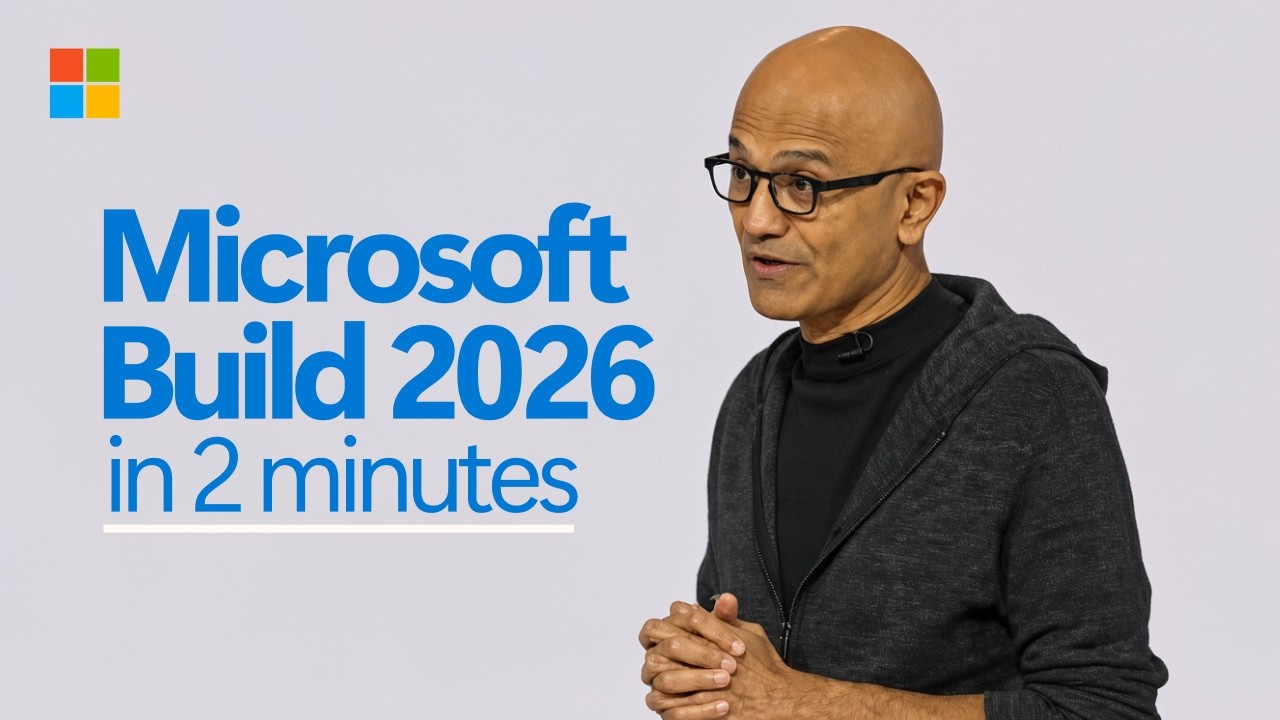
Satya Nadella's Vision: Unveiling the Future of AI and Quantum at Microsoft Build 2026
At Microsoft Build 2026, CEO Satya Nadella delivered a concise yet impactful keynote, outlining the company's ambitious trajectory in artificial intelligence and quantum computing. The session emphasized full participation in a new "frontier intelligence ecosystem" and showcased innovations designed to push the boundaries of what's possible.
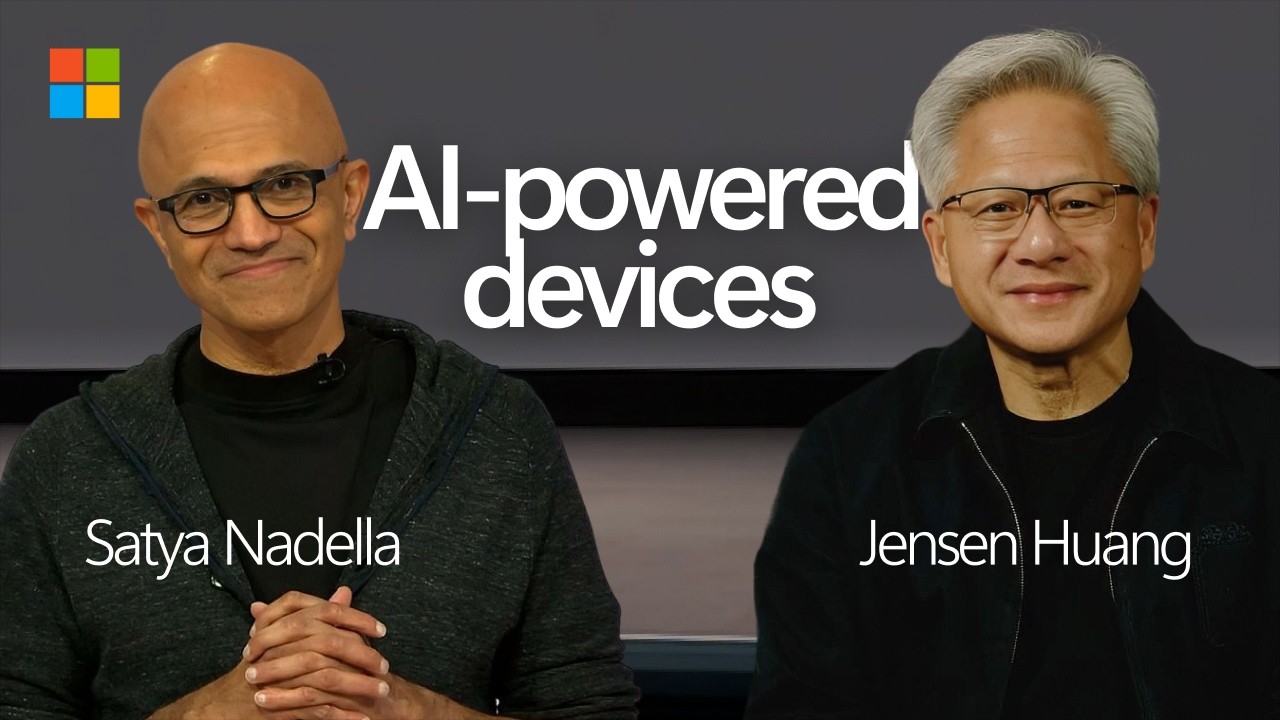
Jensen Huang and Satya Nadella Unveil the Future of AI: From Personal Assistants to Agentic Supercomputers
At Microsoft Build 2026, a fireside chat between NVIDIA CEO Jensen Huang and Microsoft CEO Satya Nadella illuminated the rapid evolution of artificial intelligence, from deeply personal computing experiences to the massive, agent-driven architectures powering the cloud. The discussion centered on the groundbreaking collaboration between the two tech giants, delivering "unmetered intelligence" across devices and data centers.
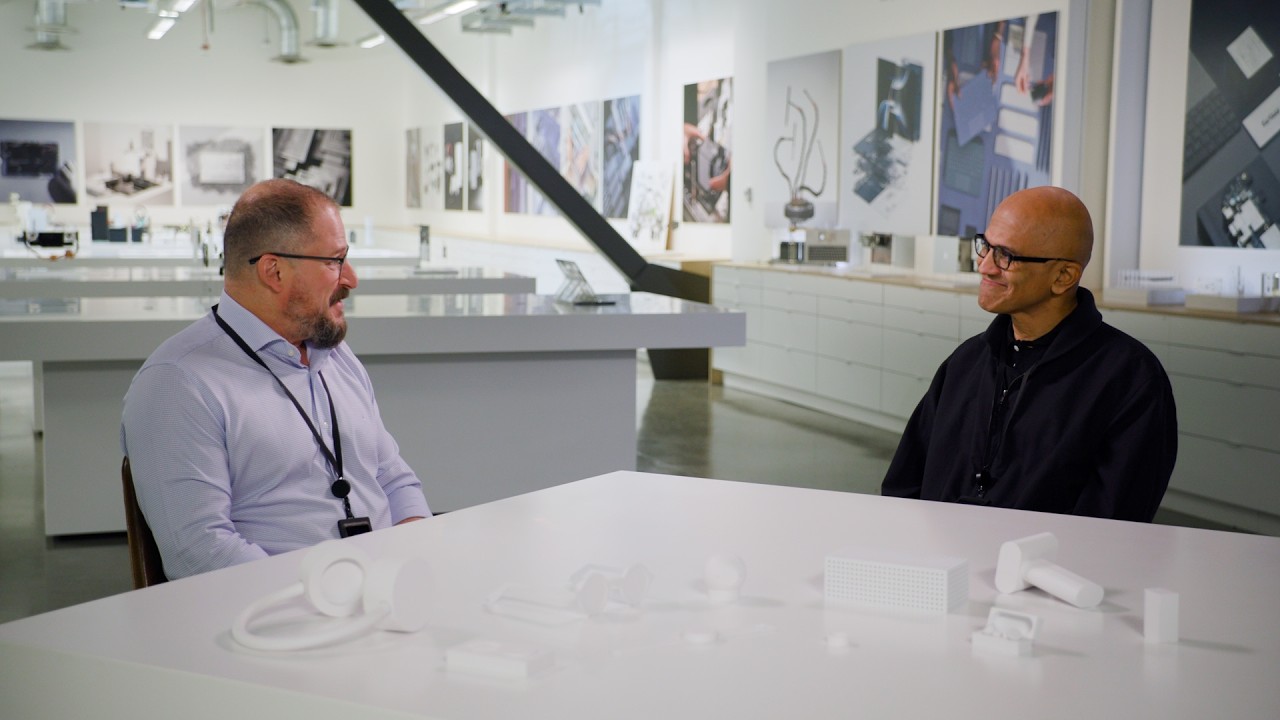
Qualcomm and Microsoft Unveil the Agent-Centric Future of Computing at Build 2026
At Microsoft Build 2026, Qualcomm President and CEO Cristiano Amon joined Satya Nadella to discuss a monumental shift in the technology landscape. The conversation centered on the transition from an app-centric world to one dominated by intelligent AI agents, promising a profound redefinition of devices and user experiences. This new era, they argue, necessitates a fundamental rethinking of computing architecture, from silicon to cloud.

Project Solara: A New Era of Agent-First Computing Unveiled
The digital world often feels overwhelming, a constant barrage of information and demands. But what if technology could simplify, understand, and proactively assist without taking over? This is the promise of Project Solara, a groundbreaking initiative revealed in a recent conference session, aiming to usher in an "agent-first" era of computing.
Microsoft Build 2026: Ushering in the Era of Humanist Superintelligence and Ubiquitous Agents
Microsoft Build 2026 opened with a compelling vision for the future of artificial intelligence, emphasizing a 'frontier intelligence ecosystem' where developers are empowered to build unprecedented value. The keynote highlighted a holistic approach, integrating AI capabilities across hardware, cloud infrastructure, developer tools, and a new generation of agentic systems. This strategy aims to make AI ubiquitous, unmetered, and ultimately, a force for 'humanist superintelligence' by placing human and organizational needs first.
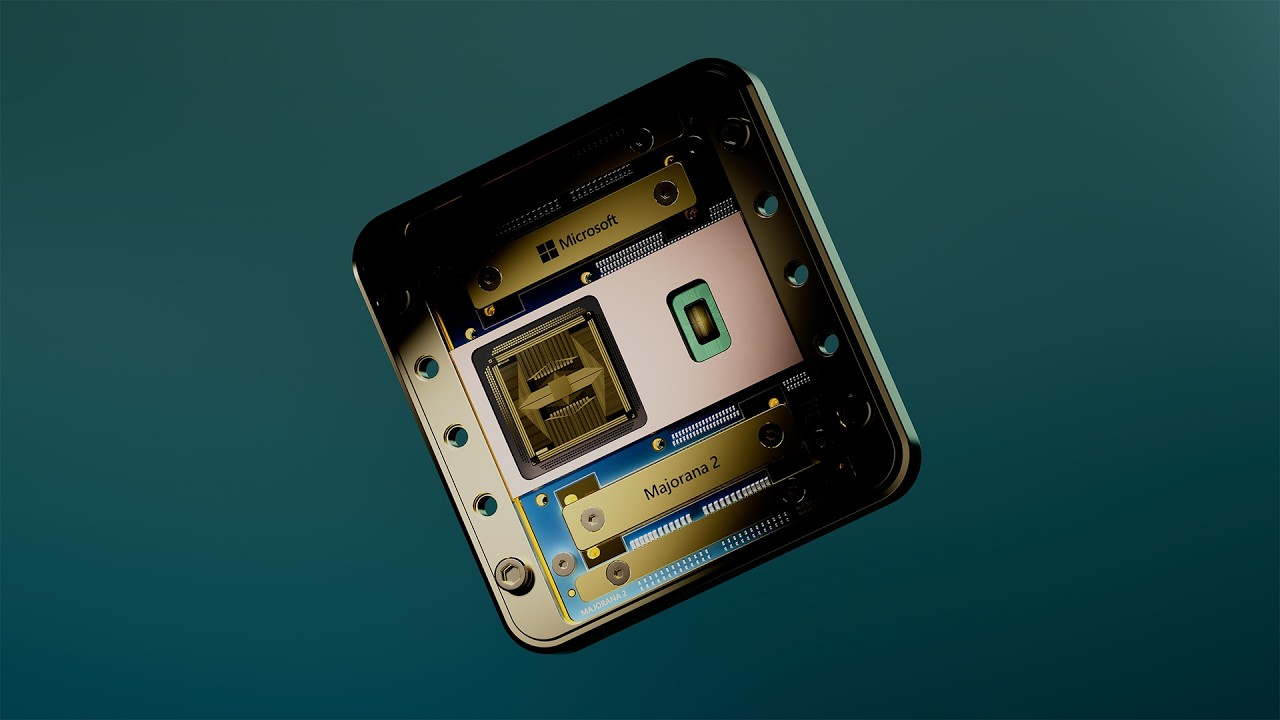
Majorana 2: Ushering in the Era of Scalable Quantum Computing
The realm of quantum computing, once confined to theoretical physics and science fiction, is rapidly approaching a pivotal moment. With projects like Majorana 2, what once felt beyond imagination is now within tangible reach, promising a fundamental shift in how we approach complex problems.