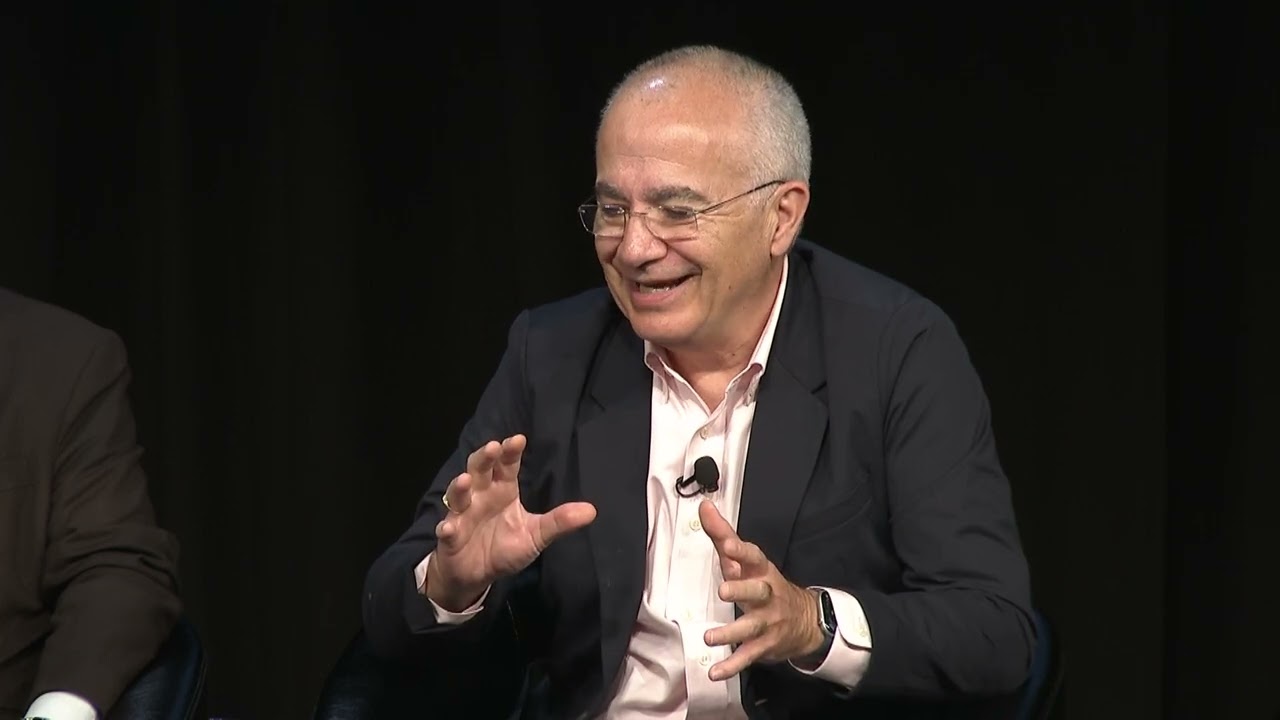
- Panelists reflect on the SSL's unique culture and enduring impact.
- Emphasis on hands-on learning, systems thinking, and mission-driven research.
- Discussion on the evolving landscape of space access and industry partnerships.
- The importance of mentorship and fostering innovation in aerospace.
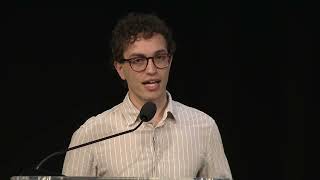
The 'SpaceTech 2026 Panel: Space Systems Lab: Roots and Branches of Innovation' brought together distinguished alumni to delve into the profound legacy of MIT's Space Systems Laboratory (SSL). Moderated by Ali Dvec, a former PhD student of Dave Miller, the panel explored how the SSL's unique culture of technical ambition, hands-on experimentation, and education through building has shaped generations of students and researchers, propagating innovative ideas across industry, academia, and government.
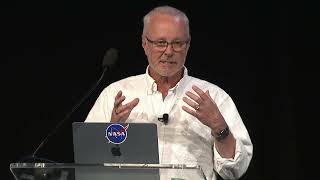
Panelists Javier de Lewis, Rebecca Masterson, Sununjo Chung, and Alvar Sansotero each shared personal reflections on their journey to the SSL and the transformative impact it had on their careers. Javier de Lewis, founder of Payload Systems, highlighted the unparalleled opportunity SSL offered to fly experiments on the space shuttle, a feat that was revolutionary in an era predating today's accessible platforms like CubeSats. This partnership was crucial in bridging university research with flight-qualified hardware, navigating the complex landscape of NASA documentation and safety procedures while allowing students to focus on pushing the boundaries of human knowledge.
Rebecca Masterson, now a program office director at the Smithsonian Astrophysical Observatory, described her time at SSL as a 'life-changing experience.' She emphasized the critical 'equilateral triangle' in mission success, involving the Principal Investigator (PI) for the 'why,' the Systems Engineer for the 'how,' and the Program Manager for 'cost and schedule.' This healthy tension, coupled with trust and respect, is essential for translating scientific vision into successful space missions, as exemplified by her work on the Rexus project.
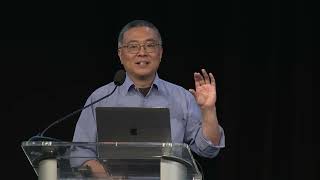
Sununjo Chung, a Bren professor at Caltech, shared a touching anecdote about Dave Miller's personal commitment, even writing a personal check to send students to a conference. He characterized SSL as a 'playground' where Dave provided vision and 100% freedom for students to pursue ideas, while remaining a hands-on advisor. Chung also addressed the evolving multidisciplinary nature of aerospace, advocating for breaking down traditional departmental boundaries to foster innovation, especially with the rise of AI and robotics.
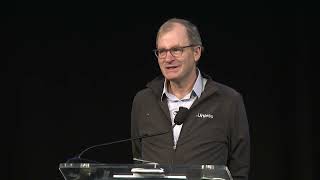
Alvar Sansotero, an associate teaching professor at the University of Washington, championed MIT's UROP (Undergraduate Research Opportunities Program) as a cornerstone of SSL's innovation model, allowing freshmen to engage in space projects. Looking to the future, Sansotero drew parallels to the Space Shuttle's retirement, urging proactive planning for the International Space Station's de-orbit. He envisions a future where low Earth orbit becomes privatized and 'boring,' freeing up government resources to focus on ambitious goals like Mars exploration, emphasizing the need for private industry to lead in accessible space infrastructure.
“The real legacy of the SSL is not the hardware or the PhD thesis. It's the uncountable number of papers. It's all that intellectual bulk that got developed there that went off and spread all over the industry, not just landing rovers on Mars, but doing startups and all this other innovation.”