
Space Navigation's Dark Secret: How We See the Unseen!
Traditional cameras fail in space's harsh eclipse conditions, leaving spacecraft blind. Discover how groundbreaking visible-thermal image fusion is revolutionizing navigation around unknown space objects, ensuring precision even in total darkness. This is critical for future space operations.
Key Moments
Are you a space geek?
Mars landing explained!
Advisor's personal check!
Safer space launches
Billion-Dollar Moon
Unbelievable accuracy boost!
Find alien life faster!
Game-changing scaling law!
See space deployment!
No more alignment nightmares!
15-second satellite switch!
Listen to your customers!
Browse by Topic
Explore all sessions, quotes, and moments organized by theme.
Spacetech Sessions (6)
“Innovation is not a moment or a single invention. But I think as we'll see today... it's a layering of generations of people who work together and build on each other's work.”
Space Exploration Sessions (4)
MIT Reveals the Future of Space: Beyond Artemis 2!
Are you a space geek?
SpaceX's hidden impact!
Humans beyond Earth!
Bold visionaries needed!
Big projects, on budget!
Safety in space!
Mit Sessions (3)
MIT's Secret Lab: How Students Built Tech for JWST & Mars!
Mars landing explained!
Beyond classroom limits!
Find your space passion!
JWST's hidden testing origin!
No fuel, no problem!
Playtime in zero-G!
Complexity of space instruments!
Nasa Sessions (3)
Entrepreneurship Sessions (2)
More Sessions (1)
Stories from the stage
MIT's Space Systems Lab: Cultivating Generations of Space Innovation
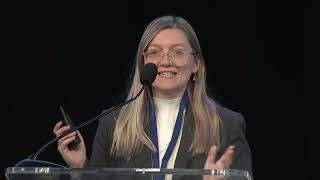
The 'SpaceTech 2026 Panel: Space Systems Lab: Roots and Branches of Innovation' brought together distinguished alumni to delve into the profound legacy of MIT's Space Systems Laboratory (SSL). Moderated by Ali Dvec, a former PhD student of Dave Miller, the panel explored how the SSL's unique culture of technical ambition, hands-on experimentation, and education through building has shaped generations of students and researchers, propagating innovative ideas across industry, academia, and government.
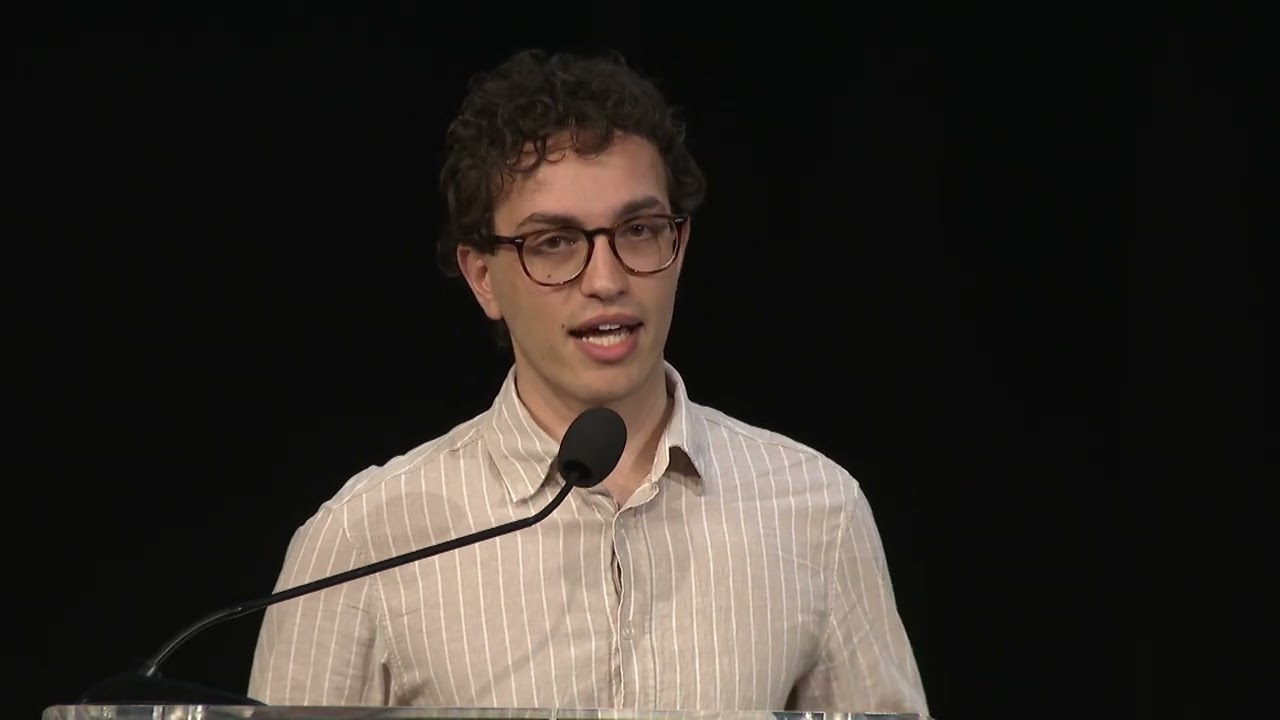
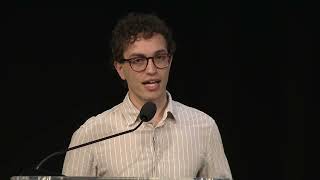
Navigating the Unknown: How Visible-Thermal Fusion Illuminates Space's Darkest Corners
In the vast expanse of space, where orbital mechanics dictate rapid transitions between blinding sunlight and complete darkness, navigating around unknown objects presents a formidable challenge. Eric Elias, a master's student in aerospace controls, unveiled a groundbreaking solution at SpaceTech 2026: visible-thermal image fusion, a technology poised to revolutionize how we interact with space objects, even when they're shrouded in shadow.
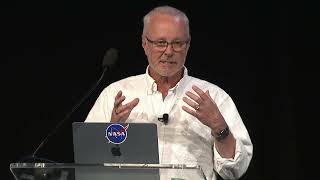
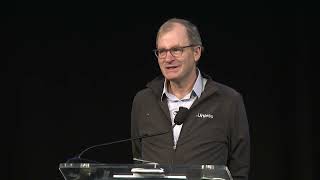
MIT's Space Systems Lab: 30 Years of Innovation, From Shuttle Experiments to Martian Rovers
Professor David Miller's keynote at SpaceTech 2026 offered a captivating retrospective on three decades of groundbreaking work at MIT's Space Systems Lab (SSL). From the early days of shuttle experiments to contributing to the James Webb Space Telescope and Mars rover landings, the SSL has consistently pushed the boundaries of aerospace engineering, often with students at the helm.
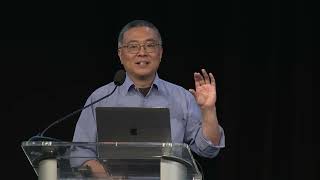
Unlocking the Secrets of LEO: Dr. Jianping Pan's Groundbreaking Research on Starlink and Next-Gen Connectivity
Dr. Jianping Pan, a distinguished Professor of Computer Science at the University of Victoria, presented a captivating overview of his team's extensive research into Low Earth Orbit (LEO) satellite networks, particularly Starlink. His talk at SpaceTech 2026 unveiled critical insights into network performance, user distribution, and the innovative applications poised to transform global connectivity.
MIT at the Forefront: Charting the Course for Space Tech 2026 and Beyond
The Space Tech 2026 conference at MIT opened with an electrifying atmosphere, as Professors Julie Shah and David Mindell underscored the current golden age of space exploration and innovation. From humanity's furthest journey yet with Artemis 2 to the pervasive influence of aerospace engineering across diverse industries, the session highlighted MIT's critical role in shaping the future.