- Artemis 2 pushes human boundaries.
- MIT fuels aerospace talent and innovation.
- SpaceX alumni redefine industry standards.
- Lessons from history guide future space safety.
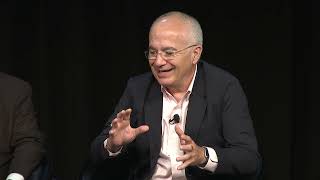
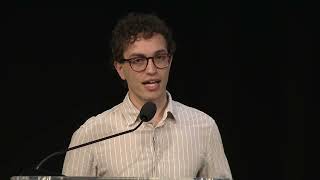
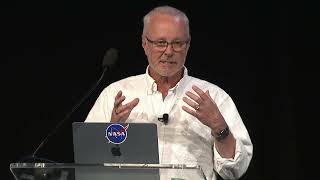
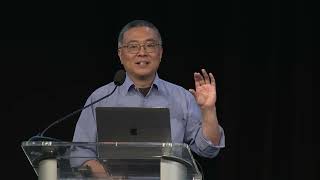
The Space Tech 2026 conference at MIT opened with an electrifying atmosphere, as Professors Julie Shah and David Mindell underscored the current golden age of space exploration and innovation. From humanity's furthest journey yet with Artemis 2 to the pervasive influence of aerospace engineering across diverse industries, the session highlighted MIT's critical role in shaping the future.
Professor Julie Shah, head of Aeronautics and Astronautics at MIT, set the stage by celebrating the ongoing Artemis 2 mission, which has sent astronauts further from Earth than any humans before. She emphasized this extraordinary feat of engineering and collaboration as a testament to the groundbreaking work happening in the space industry today. Shah proudly positioned MIT as the heart of this innovation ecosystem, producing aerospace engineers with the bold vision, creative problem-solving, and innovative thinking essential for the industry's continued growth.
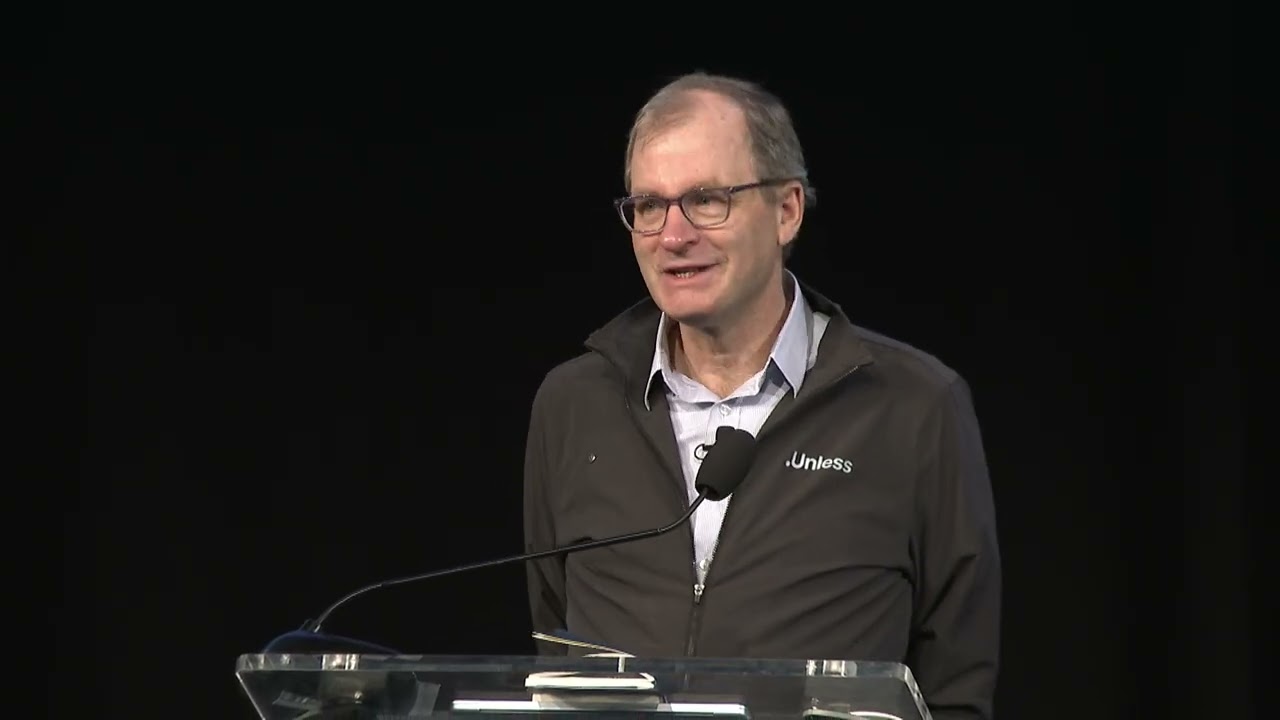
Following Professor Shah, Professor David Mindell, serving as the event's MC, expanded on the excitement, noting the constant stream of news in human spaceflight and the broader space industry. He highlighted the impending SpaceX IPO as a significant marker of the industry's maturation and the profound influence of SpaceX alumni, whose expertise is now seeding innovative startups in various sectors. Mindell shared the compelling example of Commonwealth Fusion Systems, an MIT spin-off that broke venture capital records, led by an alumnus who applied lessons from an Apollo project management class to achieve ambitious goals efficiently.
However, Mindell also injected a crucial note of caution, referencing the reclassification of the Starliner incident as a Class A mishap. This sobering reminder underscores the ever-present risks in space exploration and the importance of rigorous safety protocols and continuous learning from past events. He stressed that while innovation is vital, it must be balanced with an unwavering commitment to safety.
Concluding his remarks, Professor Mindell drew parallels to the 18th-century Lunar Society, a group of innovators who met under the full moon to discuss science and its industrial application, ultimately sparking the Industrial Revolution. He posited that innovation is not a singular event but a layered process of collaboration across generations. He ended with a poignant reflection on a recent lunar eclipse, suggesting that the concept of a 'Lunar Society' aptly describes the unifying, outward-looking world we are building toward, guided by the light of collective human aspiration and scientific endeavor.
“Innovation is not a moment or a single invention. But I think as we'll see today... it's a layering of generations of people who work together and build on each other's work.”