- Innovation requires commercialization, not just invention.
- The right team is paramount, surpassing the initial idea's importance.
- MIT fosters an ecosystem for "deep tech" ventures, including space.
- Embracing failure and adapting to market needs are critical for success.
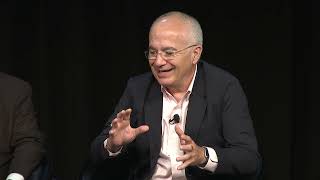
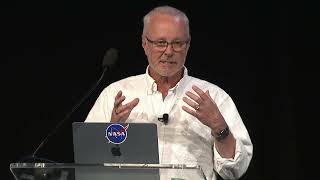
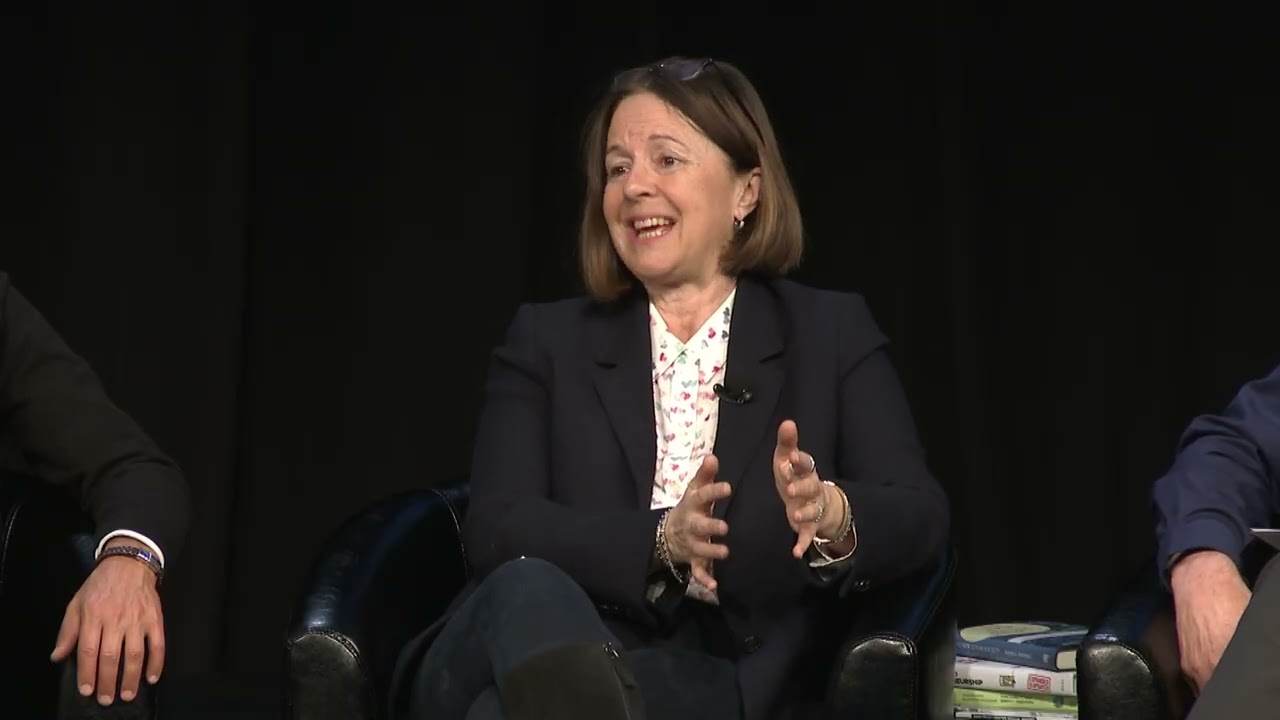
The "SpaceTech 2026 Panel: MIT’s Innovation Network" brought together leading minds from MIT to dissect the intricate world of deep tech entrepreneurship, particularly within the burgeoning space economy. The panelists emphasized that true innovation transcends mere invention, hinging instead on strategic commercialization and the strength of a diverse, adaptable team.
“Innovation equals invention times commercialization,” declared Bill Aulet, highlighting a core principle often overlooked in tech-focused environments like MIT. He illustrated this with the story of Electrify, a company born from space propulsion research that found its billion-dollar market in subcutaneous drug delivery, not spray-on bandages as initially envisioned. This pivot, driven by keen customer listening, underscores that a brilliant technology without a market application remains just an invention, not an innovation.
Fiona Murray, a professor teaching deep tech ventures, echoed this sentiment, noting the significant capital requirements and multiple layers of risk—technical, market, regulatory, and geopolitical—inherent in hardware-focused, lab-based spinouts. Her course aims to equip students with the tools to navigate these “deep wells of risk, time, and patience” efficiently, stressing the importance of assembling teams that understand both the technology and the customer journey.
The discussion converged on the critical role of the team. Paulo Lozano, a faculty member who has spun out multiple companies, emphasized that “teaming up is the most important part.” Bill Aulet provocatively stated, “The least important thing in a startup is the original idea. The most important thing is the team.” He argued that a great team with a mediocre idea will consistently outperform a mediocre team with a great technology, capable of adapting and pivoting as market signals dictate. This requires a team with a common vision, shared values, and complementary skills, fostering an “energy amplification” where 1+1 equals far more than 2.
For aspiring entrepreneurs, the panel offered clear advice: share your ideas, embrace feedback, and be willing to adapt. Fiona Murray cautioned against “stealthy is unhealthy,” encouraging open discussion and seeking diverse perspectives. Bill Aulet urged students to see MIT as the “safest place to fail,” a learning ground where experiments, even unsuccessful ones, provide invaluable lessons. Ultimately, entrepreneurship is about thriving in change, seeing storms as opportunities to dance in the rain, and becoming job creators rather than just job seekers.
“Innovation equals invention times commercialization. Repeat in innovation something that creates impact for the world that makes money that provides positive return for a company value equals invention.”