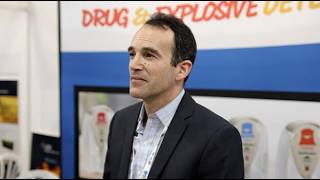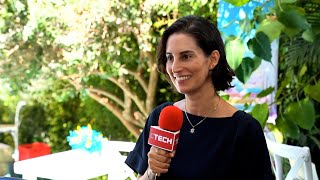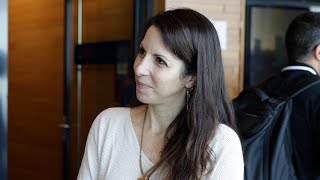
In a groundbreaking shift, the field of neurology is moving away from generalized treatments towards highly personalized brain therapies. Dr. Jonathan Reiner, a senior neurologist and movement disorder specialist at Binson Hospital, sheds light on how neuromodulation, powered by artificial intelligence, is at the forefront of this revolution, promising a future of adaptive and predictive brain health.
“We're shifting kind of from an era of a one-size-fits-all therapy to a truly kind of personalized adaptive brain therapy.”
- Jonathan Reiner, Senior Neurologist and Head of the Neuromodulation and Deep Brain Stimulation Service at Beilinson Hospital
Discover the cutting-edge of brain therapy. Dr. Jonathan Reiner reveals how neuromodulation and AI are revolutionizing treatment, moving beyond one-size-fits-all approaches to truly personalized care. Explore the ethical frontiers of reading and influencing the human brain.
Hi, I'm Amy Shapiro. We're here today at Hi, I'm Amy Shapiro. We're here today at Calculist and CEK's Mind the Tech Berlin Calculist and CEK's Mind the Tech Berlin Calculist and CEK's Mind the Tech Berlin 2025. We're joined by Jonathan Reer, 2025. We're joined by Jonathan Reer, 2025. We're joined by Jonathan Reer, senior neurologist at Bayson Hospital. senior neurologist at Bayson Hospital. senior neurologist at Bayson Hospital. Jonathan, thank you so much for joining Jonathan, thank you so much for joining Jonathan, thank you so much for joining us today. us today. us today. >> Thanks for having me. Nice to meet you. >> Thanks for having me. Nice to meet you. >> Thanks for having me. Nice to meet you. >> It's a pleasure to have you. Um, to >> It's a pleasure to have you. Um, to >> It's a pleasure to have you. Um, to start off with, Jonathan, uh, could you start off with, Jonathan, uh, could you start off with, Jonathan, uh, could you introduce yourself, tell us your your introduce yourself, tell us your your introduce yourself, tell us your your full title, what it is you do at full title, what it is you do at full title, what it is you do at Balencin. Balencin. Balencin. >> So, my name is Dr. Jonathan Reiner. I'm
>> So, my name is Dr. Jonathan Reiner. I'm >> So, my name is Dr. Jonathan Reiner. I'm a neurologist. I'm a movement disorder a neurologist. I'm a movement disorder a neurologist. I'm a movement disorder specialist and I run the uh deep brain specialist and I run the uh deep brain specialist and I run the uh deep brain stimulation and neurom modulation stimulation and neurom modulation stimulation and neurom modulation service at Binsson Hospital. service at Binsson Hospital. service at Binsson Hospital. >> Mhm. >> Mhm. >> Mhm. >> Um and I can talk about neurom >> Um and I can talk about neurom >> Um and I can talk about neurom modulation if you'd like to hear. modulation if you'd like to hear. modulation if you'd like to hear. >> Yes, I I do want to hear more about uh >> Yes, I I do want to hear more about uh >> Yes, I I do want to hear more about uh what exactly is neurom modulation and what exactly is neurom modulation and what exactly is neurom modulation and why is it considered one of the most uh why is it considered one of the most uh why is it considered one of the most uh innovative technologies uh today. Okay.
innovative technologies uh today. Okay. innovative technologies uh today. Okay. So, u neurom modulation is um the So, u neurom modulation is um the So, u neurom modulation is um the ability to influence and change the ability to influence and change the ability to influence and change the brain's electrical activity through brain's electrical activity through brain's electrical activity through precise stimulation using either precise stimulation using either precise stimulation using either electrical, light-based or magnetic kind electrical, light-based or magnetic kind electrical, light-based or magnetic kind of inputs. It's a wellestablished of inputs. It's a wellestablished of inputs. It's a wellestablished therapy uh that's been around for a therapy uh that's been around for a therapy uh that's been around for a while now for um neurological disorders while now for um neurological disorders while now for um neurological disorders such as Parkinson's disease um through such as Parkinson's disease um through such as Parkinson's disease um through basically implantation of deep brain basically implantation of deep brain basically implantation of deep brain stimulation kind of uh technologies um stimulation kind of uh technologies um stimulation kind of uh technologies um that through electrical stimulation that through electrical stimulation that through electrical stimulation we're able to assist and kind of we're able to assist and kind of we're able to assist and kind of alleviate symptoms that people suffer alleviate symptoms that people suffer alleviate symptoms that people suffer from in these neurological disorders. from in these neurological disorders. from in these neurological disorders. And um the amazing thing about neurom And um the amazing thing about neurom And um the amazing thing about neurom modulation is not only the ability to modulation is not only the ability to modulation is not only the ability to kind of change through electrical kind of change through electrical kind of change through electrical stimulation kind of the the brain's stimulation kind of the the brain's stimulation kind of the the brain's activity but um recently we're shifting
activity but um recently we're shifting activity but um recently we're shifting into kind of an era whereby um we're into kind of an era whereby um we're into kind of an era whereby um we're able also to record the electrical able also to record the electrical able also to record the electrical activity from within the brain. So for activity from within the brain. So for activity from within the brain. So for the first time ever um we're able the first time ever um we're able the first time ever um we're able actually to record simultaneously while actually to record simultaneously while actually to record simultaneously while we provide the the therapy for these we provide the the therapy for these we provide the the therapy for these patients the uh the the the deep kind of patients the uh the the the deep kind of patients the uh the the the deep kind of brain talk um in the brain in order to brain talk um in the brain in order to brain talk um in the brain in order to kind of gather information about how the kind of gather information about how the kind of gather information about how the brain works and gain some insight into brain works and gain some insight into brain works and gain some insight into kind of each and every individual's kind kind of each and every individual's kind kind of each and every individual's kind of symptoms and and and brain's of symptoms and and and brain's of symptoms and and and brain's activity. So, we're shifting kind of activity. So, we're shifting kind of activity. So, we're shifting kind of from an era of a one-sizefits-all from an era of a one-sizefits-all from an era of a one-sizefits-all therapy therapy therapy >> to a truly kind of personalized adaptive >> to a truly kind of personalized adaptive >> to a truly kind of personalized adaptive brain therapy. brain therapy. brain therapy. >> Absolutely fascinating. Um, obviously
>> Absolutely fascinating. Um, obviously >> Absolutely fascinating. Um, obviously we're in the midst of an AI revolution. we're in the midst of an AI revolution. we're in the midst of an AI revolution. How does, if at all, AI play into this How does, if at all, AI play into this How does, if at all, AI play into this uh into neurom modulation? Okay. So, um uh into neurom modulation? Okay. So, um uh into neurom modulation? Okay. So, um what's happening now basically because what's happening now basically because what's happening now basically because um AI is basically allowing us to to um AI is basically allowing us to to um AI is basically allowing us to to gather this uh a vast amount of data uh gather this uh a vast amount of data uh gather this uh a vast amount of data uh and analyze this vast amount of data and analyze this vast amount of data and analyze this vast amount of data from people who are walking around with from people who are walking around with from people who are walking around with um these kind of um technologies uh
um these kind of um technologies uh um these kind of um technologies uh which record their brain activities which record their brain activities which record their brain activities while they're in a real life setup while they're in a real life setup while they're in a real life setup rather than in an experimental setup. rather than in an experimental setup. rather than in an experimental setup. While they walk, breathe, talk, laugh, While they walk, breathe, talk, laugh, While they walk, breathe, talk, laugh, cry. um feel and um whereas previously cry. um feel and um whereas previously cry. um feel and um whereas previously it was almost impossible to analyze this it was almost impossible to analyze this it was almost impossible to analyze this vast amount of data just because of vast amount of data just because of vast amount of data just because of resource kind of uh um capabilities, now resource kind of uh um capabilities, now resource kind of uh um capabilities, now we're able through AI to uh analyze vast we're able through AI to uh analyze vast we're able through AI to uh analyze vast amounts of data uh and through basically amounts of data uh and through basically amounts of data uh and through basically advanced kind of uh learning models to advanced kind of uh learning models to advanced kind of uh learning models to find kind of hidden patterns within the find kind of hidden patterns within the find kind of hidden patterns within the brain and learn about kind of changes brain and learn about kind of changes brain and learn about kind of changes that may kind of uh give us information that may kind of uh give us information that may kind of uh give us information about uh once again brain health, brain about uh once again brain health, brain about uh once again brain health, brain activity maybe to allow for predictions activity maybe to allow for predictions activity maybe to allow for predictions of brain disease in people who are of brain disease in people who are of brain disease in people who are healthy and to basically gain insight healthy and to basically gain insight healthy and to basically gain insight into how the brain talks. into how the brain talks. into how the brain talks. >> Absolutely incredible. Quite a good No,
>> Absolutely incredible. Quite a good No, >> Absolutely incredible. Quite a good No, it's an incredible technology, but it's an incredible technology, but it's an incredible technology, but obviously I I have to ask if there are obviously I I have to ask if there are obviously I I have to ask if there are any or what kind of risks or ethical any or what kind of risks or ethical any or what kind of risks or ethical considerations there are for you. considerations there are for you. considerations there are for you. >> Of course, that's that's an important >> Of course, that's that's an important >> Of course, that's that's an important question. I mean with with any kind of question. I mean with with any kind of question. I mean with with any kind of um technology that allows us to gain um technology that allows us to gain um technology that allows us to gain insight into um the the the the deepest insight into um the the the the deepest insight into um the the the the deepest most kind of um raw data from the human most kind of um raw data from the human most kind of um raw data from the human brain. We obviously need to keep some brain. We obviously need to keep some brain. We obviously need to keep some sense of modesty and um and it's sense of modesty and um and it's sense of modesty and um and it's important to kind of protect um neuro important to kind of protect um neuro important to kind of protect um neuro privacy what's called the ability of um privacy what's called the ability of um privacy what's called the ability of um each of our patients or each individual each of our patients or each individual each of our patients or each individual to maintain their their autonomy, their to maintain their their autonomy, their to maintain their their autonomy, their agency. obviously not to develop agency. obviously not to develop agency. obviously not to develop technologies that are able to read a technologies that are able to read a technologies that are able to read a brain without full cooperation and brain without full cooperation and brain without full cooperation and transparency and consent from our transparency and consent from our transparency and consent from our patients. Um but at the same time also patients. Um but at the same time also patients. Um but at the same time also we're able to now gather kind of we're able to now gather kind of we're able to now gather kind of anonymized data um from various anonymized data um from various anonymized data um from various individuals all around the world and
individuals all around the world and individuals all around the world and collect them into global databases that collect them into global databases that collect them into global databases that will eventually allow us to learn about will eventually allow us to learn about will eventually allow us to learn about the human brain in general and not in in the human brain in general and not in in the human brain in general and not in in an individual manner. um to allow for an individual manner. um to allow for an individual manner. um to allow for basically better therapies and hopefully basically better therapies and hopefully basically better therapies and hopefully understanding of the human brain. And understanding of the human brain. And understanding of the human brain. And the last thing to to say in that respect the last thing to to say in that respect the last thing to to say in that respect is that is that is that >> when we talk about kind of neurom >> when we talk about kind of neurom >> when we talk about kind of neurom modulation and about our ability to kind modulation and about our ability to kind modulation and about our ability to kind of read the brain's activity, we of read the brain's activity, we of read the brain's activity, we obviously need to think about kind of obviously need to think about kind of obviously need to think about kind of where's the limit. I mean for now we're
where's the limit. I mean for now we're where's the limit. I mean for now we're using it to treat neurodeenerative using it to treat neurodeenerative using it to treat neurodeenerative disorders, diseases, but maybe in the disorders, diseases, but maybe in the disorders, diseases, but maybe in the future we'll be able to enhance human future we'll be able to enhance human future we'll be able to enhance human capabilities and then we need to ask capabilities and then we need to ask capabilities and then we need to ask ourselves what are the limits here? How ourselves what are the limits here? How ourselves what are the limits here? How do we keep kind of, you know, equality, do we keep kind of, you know, equality, do we keep kind of, you know, equality, social equality, access to whatever social equality, access to whatever social equality, access to whatever health uh systems we're developing and health uh systems we're developing and health uh systems we're developing and at the same time kind of um make sure at the same time kind of um make sure at the same time kind of um make sure that we we we we act from a standpoint that we we we we act from a standpoint that we we we we act from a standpoint that looks into brain health rather that looks into brain health rather that looks into brain health rather than, than, than, >> you know, anything malicious or or or or >> you know, anything malicious or or or or >> you know, anything malicious or or or or that may cause um any kind of um that may cause um any kind of um that may cause um any kind of um commercial uh advantage of some sort. commercial uh advantage of some sort. commercial uh advantage of some sort. >> Right. Uh you kind of touched on it just >> Right. Uh you kind of touched on it just >> Right. Uh you kind of touched on it just now, but uh finally, I want to ask you, now, but uh finally, I want to ask you, now, but uh finally, I want to ask you, Dr. Jonathan, what what the future looks Dr. Jonathan, what what the future looks Dr. Jonathan, what what the future looks like for neurom modulation? Where is like for neurom modulation? Where is like for neurom modulation? Where is this all going? this all going? this all going? >> So, in the near future, what's happening
>> So, in the near future, what's happening >> So, in the near future, what's happening now is because um we're able to read the now is because um we're able to read the now is because um we're able to read the electrical activity from within the electrical activity from within the electrical activity from within the brain, we're developing now um brain, we're developing now um brain, we're developing now um stimulators that um are adaptive that stimulators that um are adaptive that stimulators that um are adaptive that respond to the changes in the human respond to the changes in the human respond to the changes in the human brain that gain insight into kind of brain that gain insight into kind of brain that gain insight into kind of symptoms. For instance, in Parkinson's symptoms. For instance, in Parkinson's symptoms. For instance, in Parkinson's disease, if a patient we now know the disease, if a patient we now know the disease, if a patient we now know the electrical signature within the brain of electrical signature within the brain of electrical signature within the brain of uh of tremor or or rigidity or slowness uh of tremor or or rigidity or slowness uh of tremor or or rigidity or slowness of movement and we developed kind of of movement and we developed kind of of movement and we developed kind of systems that allow us to um in a closed systems that allow us to um in a closed systems that allow us to um in a closed loop fashion basically change the loop fashion basically change the loop fashion basically change the stimulation in accordance to the stimulation in accordance to the stimulation in accordance to the symptoms as they develop. And now as symptoms as they develop. And now as symptoms as they develop. And now as we'll gain more and more insight into we'll gain more and more insight into we'll gain more and more insight into the brain, we'll be able to develop the brain, we'll be able to develop the brain, we'll be able to develop further kind of technologies to respond further kind of technologies to respond further kind of technologies to respond to changes with within the brain in real to changes with within the brain in real to changes with within the brain in real time. And secondly, the the fact that
time. And secondly, the the fact that time. And secondly, the the fact that we're able now to look into signatures we're able now to look into signatures we're able now to look into signatures of uh of of human traits, emotions, of uh of of human traits, emotions, of uh of of human traits, emotions, cognition, uh and um and categorize them cognition, uh and um and categorize them cognition, uh and um and categorize them into various categories. Um we're able into various categories. Um we're able into various categories. Um we're able now to think about kind of um prediction now to think about kind of um prediction now to think about kind of um prediction models for brain diseases and brain models for brain diseases and brain models for brain diseases and brain health in the future to allow us to be health in the future to allow us to be health in the future to allow us to be kind of healthier and and and and better kind of healthier and and and and better kind of healthier and and and and better as human beings. as human beings. as human beings. >> Well, it it's truly remarkable
>> Well, it it's truly remarkable >> Well, it it's truly remarkable technology. I'm can't wait to see what technology. I'm can't wait to see what technology. I'm can't wait to see what comes next from you and your team at comes next from you and your team at comes next from you and your team at Bayson Hospital. Dr. Jonathan, thank you Bayson Hospital. Dr. Jonathan, thank you Bayson Hospital. Dr. Jonathan, thank you so much for joining us today. so much for joining us today. so much for joining us today. >> A pleasure. Thank you.
Your brain data: safe?
Real-time brain response!
Brain therapy just got personal!
AI is reading your brain!
Upgrade your brain?